How to Choose the Right Water Filter for Your Espresso Machine
Improve your espresso taste and protect your machine with the right water filter. Learn about different filtration options.
Improve your espresso taste and protect your machine with the right water filter. Learn about different filtration options.
How to Choose the Right Water Filter for Your Espresso Machine
Hey there, fellow coffee lovers! Let's talk about something super important for your espresso machine that often gets overlooked: water. You might think, "Water is just water, right?" Wrong! The quality of the water you use in your espresso machine can make a massive difference, not just in the taste of your espresso but also in the longevity and health of your beloved machine. Using the right water filter isn't just a recommendation; it's a necessity for any serious home barista. It's like putting premium fuel in a sports car – you wouldn't skimp there, so why skimp on the most crucial ingredient for your espresso?
Think about it: your espresso is 98% water. If that water tastes bad, or has too many impurities, your espresso will taste bad. Simple as that. Beyond taste, hard water, which is common in many areas, can lead to mineral buildup (limescale) inside your machine. This limescale can clog pipes, reduce heating efficiency, and eventually lead to costly repairs or even a completely broken machine. Nobody wants that! So, let's dive deep into why water filtration is so important and how to pick the perfect filter for your setup.
Understanding Water Quality and Espresso Machine Health
Before we get into filters, let's quickly chat about what's actually in your tap water. Most tap water contains dissolved minerals like calcium and magnesium. These are what make water "hard." While these minerals aren't harmful to drink, they are the primary culprits behind limescale buildup in your espresso machine's boiler, heating elements, and pipes. Over time, this buildup acts like plaque in arteries, restricting flow and making your machine work harder, leading to decreased performance and eventual failure.
Besides hardness, water can also contain chlorine, chloramines, sediment, and other organic compounds. Chlorine and chloramines are added to municipal water supplies to kill bacteria, which is great for public health, but terrible for coffee taste. They can impart a chemical, swimming pool-like flavor to your espresso, masking the delicate nuances of your coffee beans. Sediment can also clog internal components, and organic compounds can introduce off-flavors.
So, the goal of water filtration for your espresso machine is twofold: first, to remove impurities that negatively impact taste, and second, to reduce mineral content to prevent limescale buildup. Achieving this balance is key to delicious espresso and a long-lasting machine.
Types of Water Filtration Systems for Espresso Machines
Alright, let's break down the different types of water filtration systems you can consider. Each has its pros and cons, and the best choice for you will depend on your water quality, budget, and how much effort you're willing to put in.
Pitcher Filters for Espresso Water Quality
These are probably the most common and accessible water filters out there. Think Brita or Pur pitchers. They're simple, relatively inexpensive, and don't require any installation. You just fill them up, and the water filters through a cartridge into the pitcher. Most pitcher filters use activated carbon to remove chlorine and some sediment, and some also include ion-exchange resins to reduce hardness.
Pros of Pitcher Filters:
- Affordable: Low initial cost and replacement filters are generally inexpensive.
- Portable: You can take them anywhere.
- Easy to Use: No installation required, just fill and pour.
Cons of Pitcher Filters:
- Limited Capacity: You'll be refilling them constantly, especially if you brew a lot of coffee.
- Variable Filtration: Effectiveness can vary, and they might not remove enough hardness for very hard water.
- Slow: Filtration can take time, which might be annoying when you're craving that morning shot.
Recommended Pitcher Filters:
- Brita Standard Everyday Water Filter Pitcher: A classic choice, widely available. Good for basic chlorine removal and some taste improvement. Expect to pay around $30-$40 for the pitcher, with filter replacements around $15-$20 for a multi-pack.
- PUR Classic Water Filter Pitcher: Similar to Brita, often with slightly better filtration for certain contaminants. Price range is comparable.
- ZeroWater 10-Cup Pitcher: This one is a bit different as it aims for 0 TDS (Total Dissolved Solids). While great for purity, it might strip too many minerals for optimal espresso taste, as some minerals contribute to flavor. However, it's excellent for preventing scale. Around $35-$45.
Use Case: Great for casual home baristas with relatively soft water, or as a temporary solution. If your water is very hard, you'll find yourself descaling frequently even with these.
Faucet Mounted Filters for Espresso Machine Protection
These filters attach directly to your kitchen faucet, providing filtered water on demand. They're a step up from pitchers in terms of convenience and capacity. Like pitcher filters, they typically use activated carbon and sometimes ion-exchange resins.
Pros of Faucet Mounted Filters:
- Convenient: Filtered water on tap, no refilling pitchers.
- Better Flow Rate: Generally faster than pitchers.
- Easy Installation: Usually just screws onto your existing faucet.
Cons of Faucet Mounted Filters:
- Aesthetics: Some people don't like the look of them on their faucet.
- Limited Filtration: Still might not be enough for very hard water or complex water issues.
- Faucet Compatibility: Not all filters fit all faucets.
Recommended Faucet Mounted Filters:
- Brita Basic Faucet Water Filter: Simple, effective for chlorine and basic taste improvement. Around $20-$30.
- PUR Faucet Mount Filter: Often has a slightly more robust filtration system than Brita's basic model. Around $25-$35.
Use Case: A good option for those who want more convenience than a pitcher but aren't ready for an under-sink system. Best for moderately hard water.
Under Sink Filters for Optimal Espresso Water
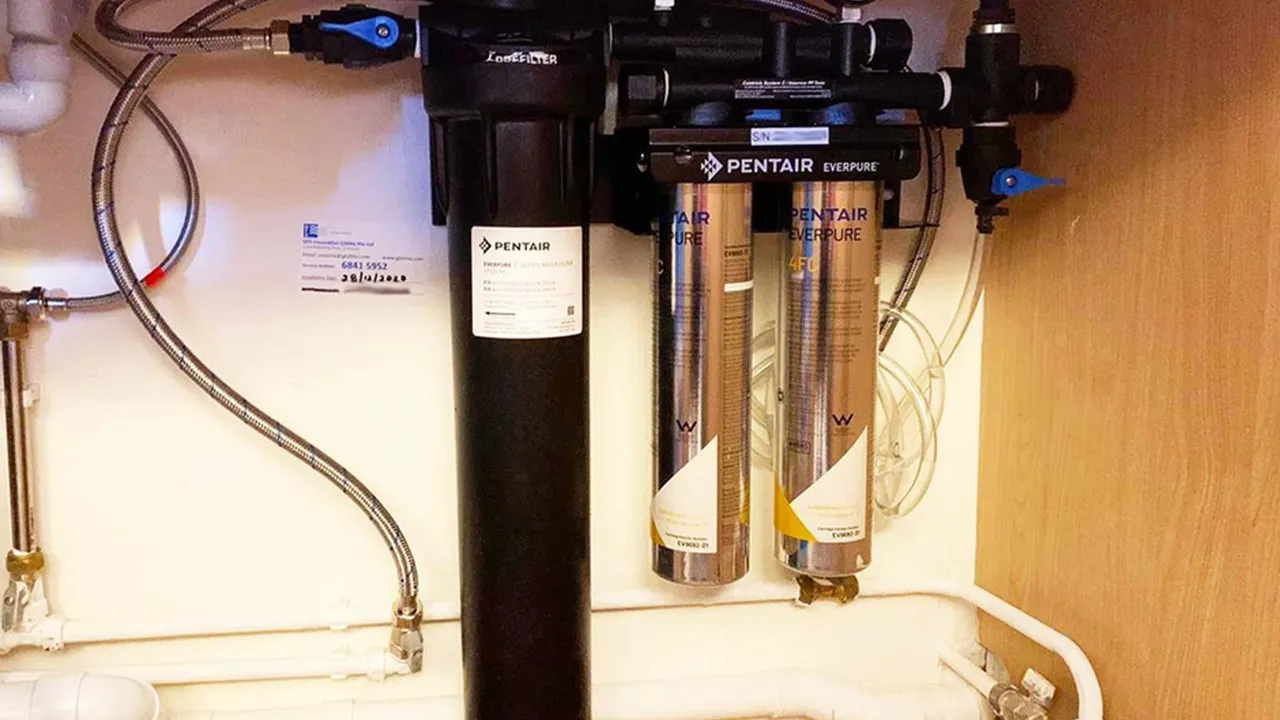
Now we're getting serious! Under-sink filters are installed directly into your cold water line, usually with a dedicated faucet for filtered water. They offer superior filtration, higher capacity, and better flow rates than pitchers or faucet filters. They can range from simple carbon filters to multi-stage systems that include sediment filters, carbon blocks, and even ion-exchange resins for hardness reduction.
Pros of Under Sink Filters:
- Superior Filtration: Can remove a wider range of contaminants, including significant hardness.
- High Capacity: Filters last much longer, reducing replacement frequency.
- Convenient: Filtered water on demand from a dedicated tap.
- Out of Sight: Keeps your countertop clear.
Cons of Under Sink Filters:
- Installation: Requires some plumbing knowledge or a professional.
- Cost: Higher initial investment.
- Space: Takes up space under your sink.
Recommended Under Sink Filters:
- Aquasana AQ-5200.62 2-Stage Under Sink Water Filter: Excellent for removing chlorine, lead, and some other contaminants. It improves taste significantly. While it doesn't specifically target hardness, cleaner water means less scale from other impurities. Around $150-$200.
- Culligan EZ-Change Undersink Drinking Water Filter System: A popular choice for ease of filter replacement. Good for taste and odor. Similar price range to Aquasana.
- Express Water 3-Stage Under Sink Water Filter: Offers more stages for comprehensive filtration, including sediment, carbon, and sometimes a KDF filter for heavy metals. Around $100-$150.
Use Case: Ideal for dedicated home baristas who want consistently great-tasting espresso and long-term machine protection without the hassle of frequent refills. Great for most water types, but if your water is extremely hard, you might need to combine it with a softening solution or consider RO.
Reverse Osmosis RO Systems for Precision Espresso Water
Reverse Osmosis (RO) systems are the gold standard for water purity. They push water through a semi-permeable membrane that removes almost everything – minerals, contaminants, bacteria, viruses, you name it. The result is incredibly pure water, almost like distilled water.
Pros of RO Systems:
- Ultimate Purity: Removes virtually all dissolved solids, preventing any scale buildup.
- Best Taste: Eliminates all off-flavors from water.
Cons of RO Systems:
- Waste Water: RO systems produce a significant amount of wastewater.
- Slow Flow Rate: Can be slower than other systems.
- Removes Everything: This is a double-edged sword. While it prevents scale, it also removes beneficial minerals that contribute to coffee flavor. You might need to remineralize the water.
- Cost and Installation: Highest initial cost and most complex installation.
Recommended RO Systems:
- APEC Water Systems ROES-50 Essence Series 5-Stage RO System: A very popular and reliable RO system. Provides excellent filtration. Around $200-$250.
- Waterdrop G3P800 RO System: A tankless RO system, which means less space taken up and faster flow rates. Often includes a remineralization filter. Around $400-$600.
Use Case: For the ultimate espresso enthusiast who wants complete control over their water chemistry. If you have extremely hard water or are a professional barista, RO with remineralization is often the preferred choice. This is where you'd consider adding minerals back in using products like Third Wave Water or Global Customized Water to achieve the SCA (Specialty Coffee Association) recommended water parameters.
Inline Filters and Softeners for Espresso Machine Integration
These are often used in commercial settings but are becoming more popular for serious home setups, especially for plumbed-in machines. Inline filters connect directly to your machine's water line. They can be simple carbon filters or more advanced softening filters that use ion exchange to reduce hardness. Some espresso machine manufacturers even offer their own branded inline filters.
Pros of Inline Filters/Softeners:
- Direct Protection: Filters water immediately before it enters the machine.
- Continuous Supply: No need to refill tanks.
- Effective Hardness Reduction: Dedicated softeners are very good at preventing scale.
Cons of Inline Filters/Softeners:
- Installation: Requires plumbing knowledge and potentially modifying your machine's water line.
- Cost: Can be expensive, especially for advanced softening systems.
- Maintenance: Softeners often require regeneration (adding salt) or regular filter replacement.
Recommended Inline Filters/Softeners:
- BWT Bestmax Premium Water Filter Cartridge: A highly regarded inline filter that not only reduces hardness but also adds magnesium back into the water, which is said to enhance coffee flavor. Requires a filter head. Cartridges are around $70-$100, plus the head.
- Everpure Claris Prime Water Filter System: Another professional-grade option that offers excellent scale inhibition and taste improvement. Similar pricing to BWT.
- Oscar 90 Anti-Scale Water Filter: A small, in-tank filter that you drop directly into your machine's water reservoir. It's a simple and effective way to reduce scale for machines that aren't plumbed in. Around $20-$30.
Use Case: Best for plumbed-in espresso machines or for those who want a professional-level water treatment solution for their reservoir-based machine. The Oscar 90 is a great entry point for in-tank scale reduction.
Factors to Consider When Choosing Your Water Filter
Okay, so you've seen the options. Now, how do you narrow it down? Here are the key factors to think about:
Your Water Hardness Level and Espresso Machine Type
This is probably the most critical factor. Do you know how hard your water is? You can usually find this information from your local water utility's annual report, or you can buy a simple water hardness test kit online or at a hardware store. Water hardness is typically measured in grains per gallon (GPG) or parts per million (PPM).
- Soft Water (0-3 GPG / 0-50 PPM): You're lucky! You might only need a basic carbon filter to remove chlorine and improve taste. Scale isn't a major concern.
- Moderately Hard Water (3-7 GPG / 50-120 PPM): A good under-sink filter or a pitcher/faucet filter with ion-exchange capabilities should be sufficient. Regular descaling will still be necessary, but less frequent.
- Hard Water (7-10 GPG / 120-180 PPM): You'll definitely want an under-sink filter with good hardness reduction, or consider an inline softener. Descaling will be a regular part of your maintenance.
- Very Hard Water (10+ GPG / 180+ PPM): RO is highly recommended here, possibly with remineralization, or a dedicated water softener. Without proper filtration, your machine will suffer quickly.
Also, consider your machine type. If you have a high-end, plumbed-in machine, investing in a robust inline filter or RO system makes sense. For a smaller, reservoir-based machine, a pitcher filter or an Oscar 90 might be perfectly adequate.
Budget and Maintenance Commitment for Water Filtration
Water filters range from a few dollars for a pitcher filter to hundreds for an RO system. Consider not just the initial cost but also the ongoing cost of replacement filters. Some filters last for months, others for a year or more. More complex systems might require more involved maintenance, like regenerating a softener or replacing multiple filter stages.
Space Availability and Installation Preferences
Do you have space under your sink for a larger filtration system? Are you comfortable with DIY plumbing, or would you prefer something that just sits on your counter or attaches to your faucet? These practical considerations will help narrow down your choices.
Taste Preference and Coffee Flavor Impact
While preventing scale is crucial, don't forget about taste! Some filters, like RO, strip everything out, which can leave coffee tasting flat. Others, like BWT, aim to leave in or even add beneficial minerals for flavor. If you're a true coffee connoisseur, you might want to experiment with different water profiles to find what tastes best with your favorite beans.
Testing Your Water and Monitoring Your Filter
Once you've chosen and installed a filter, it's not a set-it-and-forget-it situation. Regular testing and monitoring are important.
Using a TDS Meter for Water Quality
A TDS (Total Dissolved Solids) meter is a small, handheld device that measures the concentration of dissolved inorganic and organic substances in water. While it doesn't tell you exactly what minerals are present, it gives you a good general idea of your water's purity. For espresso, a TDS reading between 75-150 ppm is often considered ideal by the SCA, with a hardness of 50-85 ppm (3-5 GPG).
You can use a TDS meter to test your tap water before filtration and then your filtered water. This helps you see how effective your filter is and when it might be time to replace it. For example, if your filtered water's TDS starts creeping up, it's a sign the filter is losing its effectiveness.
Recommended TDS Meters:
- HM Digital TDS-3 Handheld TDS Meter: A very popular and affordable option, widely used by home baristas. Around $15-$25.
- APERA INSTRUMENTS AI311 Premium Series PC60 5-in-1 pH/EC/TDS/Salinity/Temp. Tester: A more advanced option that measures multiple parameters, including pH, which can also impact coffee flavor. Around $80-$100.
Water Hardness Test Kits for Espresso Machine Care
These kits specifically measure the calcium and magnesium content in your water. They often come as strips that change color or liquid drop tests. Knowing your water hardness is crucial for determining your descaling frequency and choosing the right scale-reducing filter.
Recommended Hardness Test Kits:
- Hach Total Hardness Test Kit: A more precise liquid drop test, often used by professionals. Around $30-$50.
- API GH & KH Test Kit: Designed for aquariums but excellent for measuring general hardness (GH) and carbonate hardness (KH), both relevant for coffee. Around $10-$15.
- Water Hardness Test Strips (various brands): Simple and quick, though less precise than liquid tests. Very affordable, usually under $10 for a pack.
Beyond Filtration The Importance of Descaling
Even with the best water filter, some mineral buildup is almost inevitable over time, especially if your water is on the harder side. That's why regular descaling is still a vital part of espresso machine maintenance. Descaling involves running a descaling solution (usually citric acid-based) through your machine to dissolve any limescale buildup.
How often you descale depends on your water hardness and how much you use your machine. With good filtration, you might only need to descale every 3-6 months. Without it, you could be descaling monthly or even more frequently. Always follow your espresso machine manufacturer's descaling instructions and use their recommended descaling solution or a high-quality, food-safe alternative.
Making the Right Choice for Your Home Barista Setup
Choosing the right water filter for your espresso machine is an investment in both the quality of your coffee and the lifespan of your equipment. Don't underestimate its importance! Start by understanding your water quality, then consider your budget, space, and desired level of convenience. Whether you opt for a simple pitcher filter or a sophisticated RO system, you'll be taking a significant step towards consistently delicious espresso and a happy, healthy machine. Happy brewing!
:max_bytes(150000):strip_icc()/277019-baked-pork-chops-with-cream-of-mushroom-soup-DDMFS-beauty-4x3-BG-7505-5762b731cf30447d9cbbbbbf387beafa.jpg)