Understanding Water Temperature for Optimal Coffee Extraction
Learn why water temperature is crucial for coffee brewing. Find the ideal range for different methods to extract the best flavors.
Learn why water temperature is crucial for coffee brewing. Find the ideal range for different methods to extract the best flavors.
Understanding Water Temperature for Optimal Coffee Extraction
The Science Behind Water Temperature and Coffee Flavor
Ever wondered why some cups of coffee taste amazing, while others fall flat or turn bitter? A major, often overlooked, factor is water temperature. It's not just about hot water; it's about precisely hot water. Coffee extraction is a chemical process where hot water dissolves soluble compounds from ground coffee beans. These compounds are what give coffee its flavor, aroma, and body. If the water is too cold, you'll under-extract, resulting in a sour, weak, and underdeveloped cup. If it's too hot, you risk over-extraction, leading to a bitter, harsh, and unpleasant taste. The sweet spot, the golden range, is typically between 195°F and 205°F (90°C to 96°C). This range allows for optimal dissolution of desirable compounds like acids, sugars, and oils, while leaving behind the less pleasant, bitter compounds.
Think of it like cooking. You wouldn't bake a cake at 100°F or 500°F, right? There's a specific temperature range that ensures the ingredients transform into a delicious final product. Coffee brewing is no different. The right temperature ensures that the delicate flavors locked within the coffee grounds are released in a balanced way, giving you that perfect cup every time.
Why Water Temperature Matters for Different Brewing Methods
While the 195-205°F (90-96°C) range is a general guideline, the ideal temperature can subtly shift depending on your brewing method. This is because different methods have varying contact times between the water and coffee grounds, and different ways of agitating the grounds.
Pour Over Coffee Temperature Precision
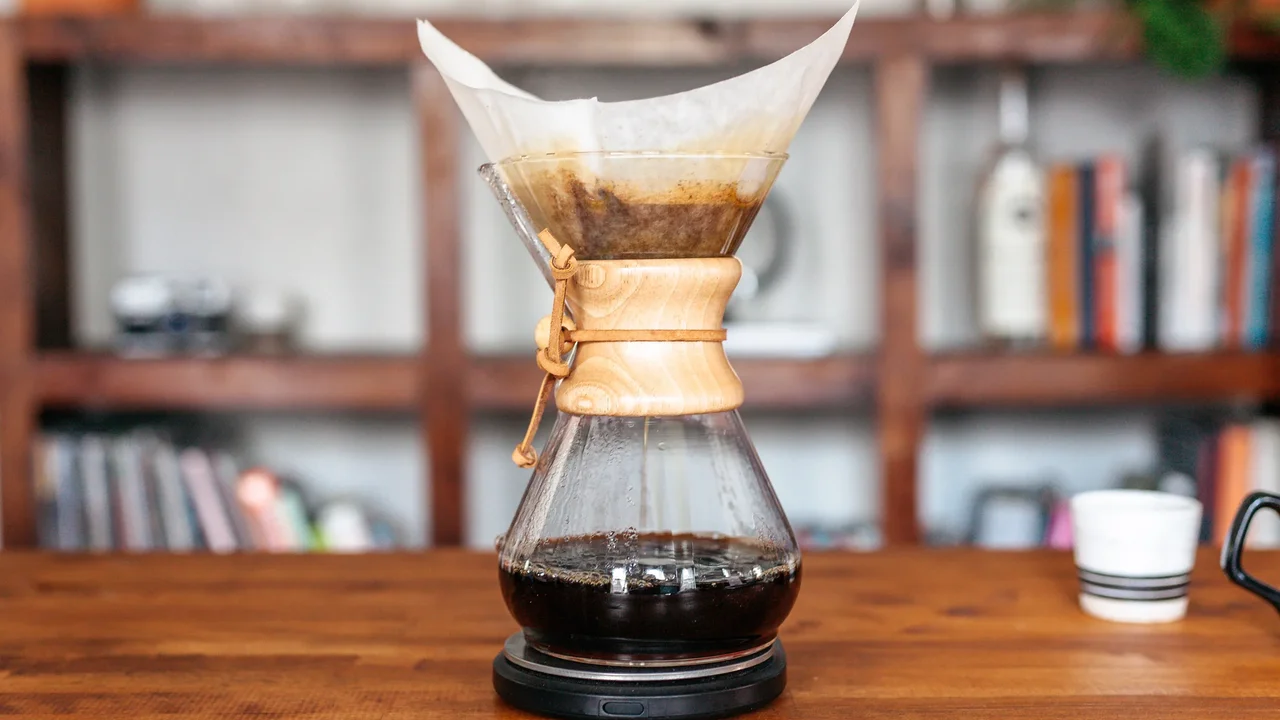
For pour-over methods like Chemex or Hario V60, precision is key. You're typically pouring water over the grounds in stages, and the water temperature needs to be consistent throughout the brew. A slightly lower temperature, around 195-200°F (90-93°C), can sometimes be preferred for very light roasts to highlight their delicate acidity without over-extracting. For medium to dark roasts, staying closer to 200-205°F (93-96°C) helps ensure full extraction of their richer flavors. The goal here is a clean, bright cup, and consistent temperature helps achieve that.
French Press Brewing and Temperature Stability
French press involves full immersion, meaning the coffee grounds are steeped in water for an extended period (typically 4 minutes). Because of this longer contact time, a slightly lower temperature, around 195-200°F (90-93°C), is often recommended. This helps prevent over-extraction and bitterness, especially with the coarser grind used for French press. The key is to maintain that temperature throughout the steeping process, which can be a challenge without a good insulated vessel.
Espresso Machine Temperature Control for Perfect Shots
Espresso is a rapid extraction method, typically lasting 25-30 seconds under high pressure. This means water temperature is incredibly critical. Espresso machines are designed to deliver water at a very precise and stable temperature, usually within the 195-205°F (90-96°C) range, often leaning towards the higher end for optimal extraction of the concentrated flavors. Even a few degrees off can drastically alter the taste of your shot, leading to sourness (too cold) or bitterness (too hot). High-end espresso machines often feature PID (Proportional-Integral-Derivative) controllers to maintain this exact temperature stability.
Automatic Drip Coffee Makers and Temperature Consistency
Many standard automatic drip coffee makers struggle with consistent water temperature. Cheaper models often don't reach the ideal brewing temperature or fluctuate wildly during the brew cycle. This is a common reason why home drip coffee can taste underwhelming. Higher-quality drip machines, especially those certified by the Specialty Coffee Association (SCA), are designed to maintain the optimal brewing temperature throughout the entire cycle, ensuring a much better cup.
Cold Brew Coffee Temperature Considerations
Of course, cold brew is an exception! As the name suggests, it uses cold or room-temperature water. The extraction process is much slower, typically 12-24 hours, and relies on time rather than heat to dissolve the coffee compounds. This results in a less acidic, smoother concentrate. While temperature isn't a factor during brewing, storing your cold brew in the refrigerator is essential for freshness.
Tools for Measuring and Controlling Water Temperature
To truly master water temperature, you need the right tools. Guessing with a standard kettle just won't cut it for consistent, delicious coffee.
Gooseneck Kettles with Temperature Control
These are a game-changer for pour-over and manual brewing. Electric gooseneck kettles with variable temperature control allow you to set the exact desired temperature and hold it there. The gooseneck spout also provides precise pouring control, which is essential for even saturation of coffee grounds.
- Fellow Stagg EKG Electric Pour-Over Kettle: This is a popular choice among home baristas. It's sleek, heats up quickly, and offers precise temperature control from 104-212°F (40-100°C). It also has a 60-minute hold feature. Price: Around $160-$190. Use case: Perfect for pour-over, Aeropress, and French press where precise temperature and pour control are needed.
- Bonavita Variable Temperature Gooseneck Kettle: A slightly more budget-friendly option that still delivers excellent performance. It offers precise temperature settings and a hold function. Price: Around $90-$120. Use case: Great for those looking for a reliable, accurate temperature control kettle without the premium price tag of some competitors.
Digital Thermometers for Accuracy
If you're using a standard kettle, a good digital thermometer is indispensable. Look for one with a fast read time and a wide temperature range. You can use it to check the water temperature just before pouring or steeping.
- ThermoPro TP19H Digital Meat Thermometer: While marketed for meat, its fast response time and accuracy make it excellent for coffee. It reads temperatures in seconds. Price: Around $15-$25. Use case: A versatile, affordable option for checking water temperature in any kettle or brewing vessel.
- Javelin PRO Duo Instant Read Thermometer: Another highly-rated instant-read thermometer known for its speed and accuracy. Price: Around $40-$50. Use case: For the home barista who wants professional-grade accuracy and speed in temperature readings.
Smart Coffee Makers with Integrated Temperature Control
For those who prefer the convenience of automatic brewing, investing in a high-quality smart coffee maker or an SCA-certified brewer is a wise choice. These machines are designed with advanced heating elements and temperature sensors to ensure the water is at the optimal temperature throughout the brewing cycle.
- Breville Precision Brewer Thermal: This machine offers incredible versatility, allowing you to customize bloom time, flow rate, and, crucially, brewing temperature. It has a precise digital temperature control system. Price: Around $300-$350. Use case: Ideal for those who want the convenience of an automatic brewer but also desire advanced control over brewing parameters, including temperature.
- Technivorm Moccamaster KBGV Select: An iconic, SCA-certified drip coffee maker known for its durability and consistent brewing temperature. It heats water to the ideal range quickly and maintains it throughout the brew. Price: Around $300-$380. Use case: For those who prioritize consistent, high-quality drip coffee with minimal fuss, and trust a machine known for its temperature stability.
Tips for Achieving and Maintaining Ideal Water Temperature
Even with the right tools, a few practices can help you get the most out of your temperature control efforts.
Preheating Your Brewing Equipment
Always preheat your brewing vessel (Chemex, French press, espresso portafilter, etc.) with hot water before adding coffee grounds. This prevents the brewing water from losing heat rapidly when it comes into contact with a cold surface, ensuring a more stable brewing temperature throughout the extraction.
Considering Ambient Temperature
In very cold environments, your water might cool down faster. If you're brewing in a chilly kitchen, you might consider starting with water at the higher end of the recommended temperature range (e.g., 205°F/96°C) to account for some heat loss.
Using Freshly Boiled Water
Always start with fresh, cold water in your kettle. Re-boiling water can deplete oxygen and affect the taste of your coffee. Bring the water to a full boil, then let it rest for 30-60 seconds to bring it down to the ideal brewing temperature (if you don't have a temperature-controlled kettle).
Grind Size and Temperature Interaction
Remember that water temperature works in conjunction with grind size. If your coffee tastes sour (under-extracted), it could be due to water that's too cold, or a grind that's too coarse. If it's bitter (over-extracted), it might be water that's too hot, or a grind that's too fine. Adjusting both can help you dial in the perfect brew.
The Impact of Water Quality Beyond Temperature
While temperature is paramount, don't forget about the quality of the water itself. Water makes up over 98% of your coffee, so its composition significantly impacts flavor. Hard water with too many minerals can lead to scale buildup in your equipment and dull flavors. Water that's too soft can result in a flat, lifeless cup. Ideally, you want filtered water with a balanced mineral content. Many home baristas use filtered tap water, or even specific coffee brewing water like Third Wave Water, to ensure optimal taste and protect their equipment.
Elevating Your Coffee Experience Through Temperature Control
Understanding and controlling water temperature is one of the most impactful steps you can take to elevate your home coffee brewing. It moves you from simply making coffee to crafting a consistently delicious beverage. It's about respecting the beans and ensuring they can express their full potential in your cup. So, grab a good thermometer or a temperature-controlled kettle, experiment within the recommended ranges, and taste the difference. Your taste buds will thank you!
:max_bytes(150000):strip_icc()/277019-baked-pork-chops-with-cream-of-mushroom-soup-DDMFS-beauty-4x3-BG-7505-5762b731cf30447d9cbbbbbf387beafa.jpg)