Understand the role of pump pressure in espresso machines. Learn about 9-bar vs 15-bar pumps and their impact on extraction.
Understand the role of pump pressure in espresso machines. Learn about 9-bar vs 15-bar pumps and their impact on extraction.
Comparing Pump Pressure in Espresso Machines
Understanding Espresso Machine Pump Pressure and Its Importance
When you're diving into the world of home espresso, one term you'll hear thrown around a lot is 'bar pressure.' It sounds technical, and honestly, it is a bit, but understanding it is crucial for pulling great shots. Essentially, pump pressure refers to the force with which water is pushed through the finely ground coffee in your espresso machine. This pressure is what extracts all those delicious flavors, oils, and aromas from the coffee grounds, creating that rich, concentrated shot we all love. Without sufficient and consistent pressure, you'd end up with weak, watery coffee, not true espresso.
Think of it like this: you're trying to force water through a tightly packed bed of coffee. If the pressure isn't high enough, the water will just trickle through, under-extracting the coffee. If it's too high, it might channel through too quickly or over-extract, leading to bitter flavors. The ideal pressure ensures an even and thorough extraction, giving you a balanced and flavorful shot with that beautiful crema on top.
The Science Behind Espresso Extraction and Pressure
So, why is pressure so important for espresso specifically? Unlike other brewing methods where water simply steeps with coffee grounds (like French press) or drips through (like pour-over), espresso relies on a rapid, high-pressure extraction. This process emulsifies the coffee oils, suspends tiny coffee particles, and creates the characteristic crema – that reddish-brown foam on top of a well-pulled shot. This crema isn't just for show; it's an indicator of a good extraction and contributes to the espresso's body and aroma.
The standard for espresso extraction, as defined by the Italian Espresso National Institute, is around 9 bars of pressure. This isn't an arbitrary number; it's been determined through years of research and practice to be the optimal pressure for extracting the best flavors from coffee without over-extracting bitter compounds or under-extracting desirable ones. This pressure forces water through the coffee puck at a specific rate, dissolving soluble solids and creating the unique espresso experience.
9 Bar Espresso Machines The Golden Standard
When you hear '9 bars,' you're hearing about the widely accepted ideal pressure for espresso. Many high-end commercial and prosumer espresso machines are designed to operate at or around this pressure. The reason 9 bars is considered the 'golden standard' is because it provides the perfect balance for extraction. It's enough pressure to thoroughly extract the coffee's soluble compounds, create a rich crema, and produce a full-bodied shot, without being so high that it causes channeling or over-extraction.
Machines that genuinely deliver 9 bars of pressure at the group head (where the coffee is brewed) are often more precise and offer greater control over the brewing process. This precision allows baristas, both professional and home-based, to fine-tune their grind size, dose, and tamp to achieve consistently excellent results. While some machines might advertise higher pressures, what truly matters is the pressure applied to the coffee puck itself during extraction.
Recommended 9 Bar Espresso Machines for Home Baristas
For those serious about their espresso, investing in a machine capable of consistent 9-bar extraction is a game-changer. Here are a few top picks:
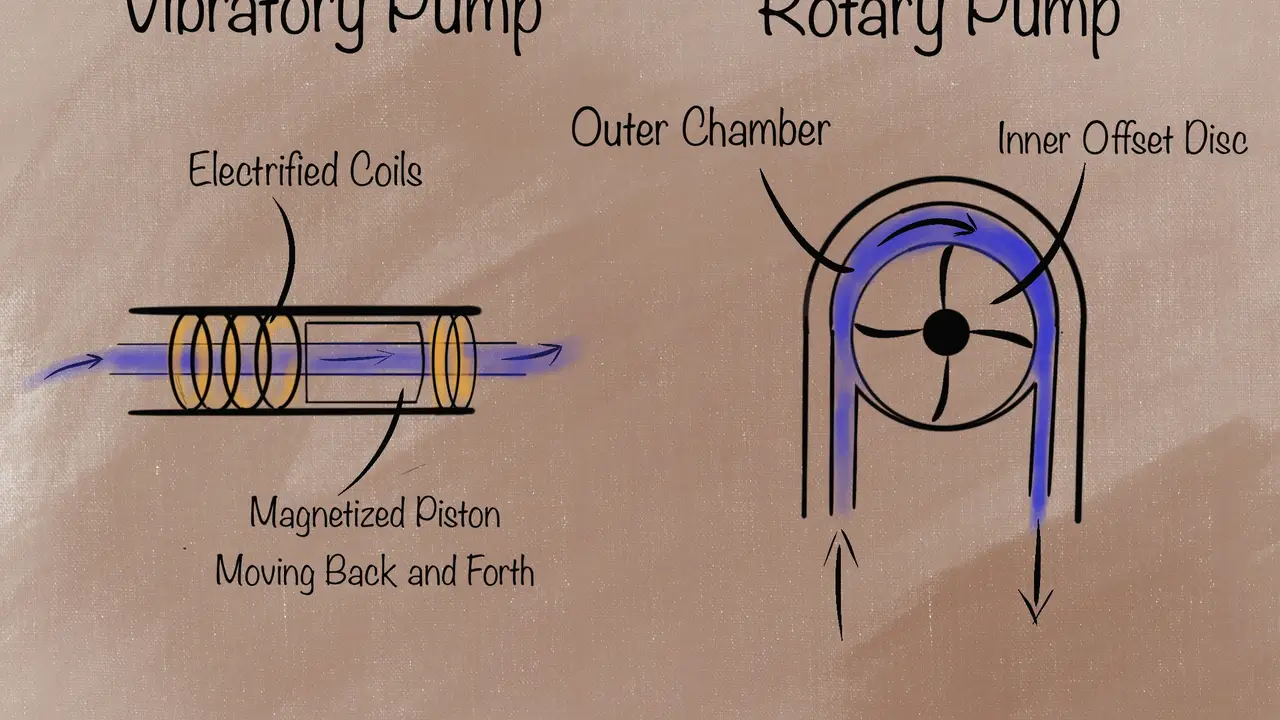
* Rancilio Silvia Pro X: This dual-boiler machine is a powerhouse for home use. It's known for its robust build quality and excellent temperature stability, which is crucial for consistent 9-bar extraction. It features a commercial-grade group head and a powerful vibratory pump that reliably delivers the necessary pressure. Its price point is typically in the $1,800 - $2,000 range. It's perfect for the enthusiast who wants cafe-quality espresso and steam performance.
* ECM Classika PID: A single-boiler machine with a PID controller for precise temperature management, the ECM Classika PID is a beautiful and capable machine. It uses a vibratory pump designed to hit that sweet spot of 9 bars. Its compact footprint makes it suitable for smaller kitchens, and its E61 group head ensures thermal stability. Expect to pay around $1,500 - $1,700 for this German-engineered beauty. Ideal for those who prioritize shot quality and don't mind waiting a bit between brewing and steaming.
* Lelit Mara X: This heat exchanger (HX) machine offers a compact design with impressive performance. The Mara X features a unique flow profiling system that allows for a softer pre-infusion and consistent pressure delivery, often hovering around the 9-bar mark. It's a great option for those who want simultaneous brewing and steaming without the dual-boiler price tag. Prices usually range from $1,300 - $1,500. A fantastic choice for those who want to experiment with flow control and enjoy milk-based drinks.
15 Bar Espresso Machines Marketing Hype or Real Benefit
You'll often see espresso machines, especially at the entry-level or super-automatic end, advertised with '15 bars of pressure.' This can be a bit misleading. While the pump itself might be capable of generating 15 bars of pressure, this is typically the maximum pressure the pump can produce, not necessarily the pressure applied to the coffee during extraction. In reality, once the water hits the resistance of the coffee puck, the pressure drops significantly. If a machine truly extracted at 15 bars, it would likely lead to over-extraction, channeling, and a very bitter shot.
So, why do manufacturers advertise 15 bars? Primarily, it's a marketing tactic. A higher number often sounds more impressive to consumers who aren't familiar with the nuances of espresso extraction. For many entry-level machines, especially those using pressurized filter baskets, the higher pump pressure helps to compensate for inconsistencies in grind size or tamping, creating a more forgiving brewing experience. However, it rarely translates to a superior espresso shot compared to a well-tuned 9-bar extraction.
Common 15 Bar Espresso Machines and Their Use Cases
These machines are often a good starting point for beginners due to their ease of use and lower price point. They are designed to be more forgiving and produce a decent, if not always perfect, espresso.
* DeLonghi Dedica Arte EC885M: This compact and stylish machine often advertises 15 bars of pump pressure. It's a popular choice for beginners due to its quick heat-up time and relatively simple operation. It uses a vibratory pump and pressurized baskets to help achieve a consistent shot, even with pre-ground coffee. It typically costs around $250 - $300. Ideal for those new to espresso who want a compact machine for daily use and don't want to fuss too much with grind settings.
* Breville Bambino Plus: While Breville doesn't always explicitly state '15 bars' in their marketing for the Bambino Plus, it uses a similar vibratory pump system capable of high pressure, often regulated down to around 9 bars at the puck, but the pump itself can generate more. It's incredibly fast to heat up and features automatic milk frothing, making it very user-friendly. It's priced around $400 - $500. A fantastic option for convenience and consistent results, especially for milk-based drinks.
* Gaggia Classic Pro: This machine is a bit of an anomaly. While it has a 15-bar vibratory pump, it's famously modifiable to achieve a true 9-bar extraction (often called the 'OPV mod'). Out of the box, it can produce decent shots, but its full potential is unlocked with modifications. It's a workhorse and a favorite among modders. It usually retails for $450 - $500. Best for those who enjoy tinkering and want a durable, upgradeable machine.
The Real Pressure at the Puck Why It Matters Most
As we've touched upon, the advertised pump pressure isn't always the pressure that actually hits your coffee grounds. What truly matters for a great espresso shot is the pressure at the 'puck' – the compressed bed of coffee in your portafilter. Many machines, even those with 15-bar pumps, have an Over-Pressure Valve (OPV) that regulates the pressure down to a more ideal range, typically around 9 bars, before it reaches the coffee. This is a good thing, as it prevents over-extraction and channeling.
If a machine doesn't have an effective OPV, or if it's set too high, you might experience issues like:
* Channeling: Water finds the path of least resistance through the coffee puck, creating 'channels' and leading to uneven extraction. This results in sour or bitter flavors.
* Over-extraction: Too much pressure can strip undesirable bitter compounds from the coffee, making your shot unpleasant.
* Lack of control: It becomes much harder to dial in your grind size and dose when the pressure is inconsistent or too high.
For home baristas, especially those using non-pressurized filter baskets, understanding and ideally controlling the pressure at the puck is key. This is why many enthusiasts opt for machines with adjustable OPVs or those known for their stable 9-bar delivery.
While pump pressure is undeniably important, it's just one piece of the puzzle when it comes to pulling a perfect espresso shot. Many other variables play a crucial role, and neglecting them will lead to disappointing results, regardless of your machine's pressure capabilities.
Grind Size and Consistency for Optimal Extraction
This is arguably the most critical factor after pressure. The fineness and consistency of your coffee grind directly impact how water flows through the coffee bed. For espresso, you need a very fine, consistent grind – like powdered sugar or fine sand. If the grind is too coarse, water will flow too quickly, leading to under-extraction and a weak, sour shot. If it's too fine, water will struggle to pass through, leading to over-extraction, bitterness, and potentially choking your machine. A good burr grinder (not blade grinder!) is essential for achieving the right grind.
Coffee Dose and Distribution for Evenness
The amount of coffee you use (your dose) and how evenly it's distributed in the portafilter basket are also vital. Too little coffee, and the puck might not offer enough resistance to the water, leading to fast, under-extracted shots. Too much, and it might be difficult to tamp properly, or it could choke the machine. Even distribution ensures that water flows through all parts of the coffee puck uniformly, preventing channeling and promoting even extraction.
Tamping Technique and Pressure
Tamping is the act of compressing the coffee grounds into a compact, even puck. A good tamp removes air pockets and creates a uniform resistance for the water. An uneven tamp can lead to channeling, where water finds an easier path through less dense areas. While the exact pressure of your tamp isn't as critical as consistency, a firm, level tamp is necessary for optimal results.
Water Temperature and Its Impact on Flavor
Water temperature significantly affects the solubility of coffee compounds. For espresso, the ideal temperature range is typically between 195°F and 205°F (90°C and 96°C). If the water is too cold, it won't extract enough flavor, resulting in a sour shot. If it's too hot, it can over-extract and burn the coffee, leading to bitterness. Machines with PID controllers offer precise temperature stability, which is a huge advantage.
Brew Time and Espresso Shot Yield
The brew time (the duration of the extraction) and the yield (the amount of liquid espresso in your cup) are interconnected and crucial indicators of a good shot. For a standard double espresso, a brew time of 25-30 seconds, yielding about 1.5 to 2 ounces (45-60ml), is often considered ideal. Adjusting your grind size is the primary way to control brew time. If your shot runs too fast, your grind is too coarse; if it runs too slow, it's too fine.
Choosing the Right Espresso Machine Based on Pressure Needs
When you're in the market for an espresso machine, consider your priorities and skill level. If you're a beginner looking for convenience and don't want to get too deep into the nuances of extraction, a machine that advertises 15 bars might be perfectly fine, especially if it uses pressurized baskets. These machines are often more forgiving and can produce a decent shot with less effort.
However, if you're an aspiring home barista who wants to truly understand and control the espresso-making process, and you're willing to invest in a good grinder and learn proper technique, then a machine designed for consistent 9-bar extraction is the way to go. These machines offer greater precision, better temperature stability, and ultimately, the potential for truly exceptional espresso.
Remember, the number of bars advertised is less important than the actual pressure delivered to the coffee puck and the machine's ability to maintain that pressure consistently. Look for machines with an OPV, or those known for their stable pressure delivery, and always pair your machine with a quality burr grinder. Happy brewing!
:max_bytes(150000):strip_icc()/277019-baked-pork-chops-with-cream-of-mushroom-soup-DDMFS-beauty-4x3-BG-7505-5762b731cf30447d9cbbbbbf387beafa.jpg)