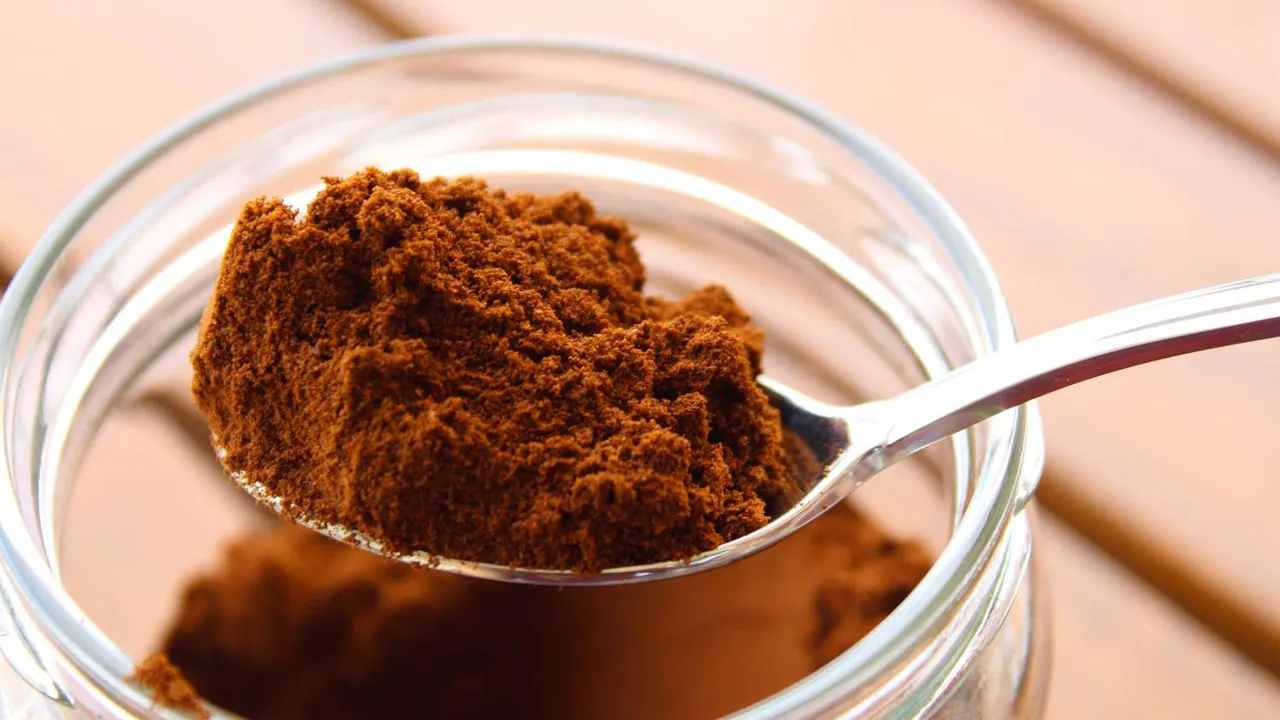
The Journey of a Coffee Bean From Farm to Cup
Follow the fascinating journey of a coffee bean from cultivation to your cup. Understand the steps involved in producing your favorite brew.
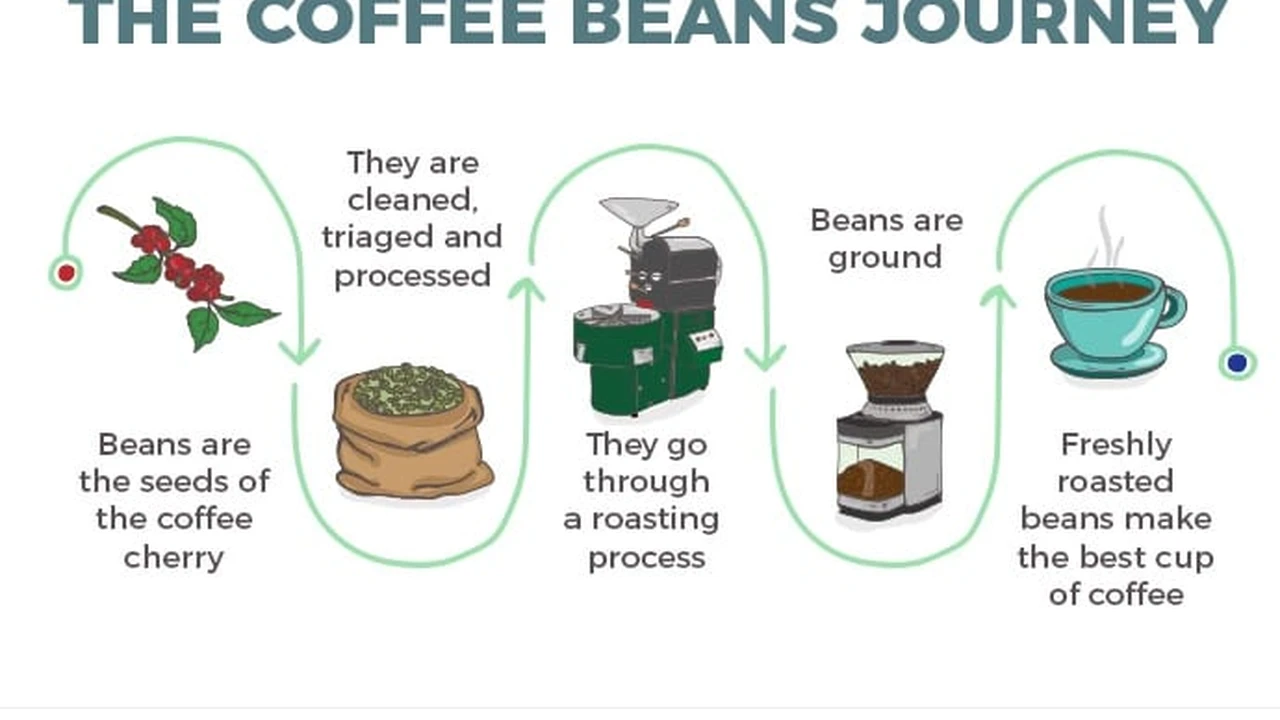
Follow the fascinating journey of a coffee bean from cultivation to your cup. Understand the steps involved in producing your favorite brew.
The Journey of a Coffee Bean From Farm to Cup
Understanding Coffee Cultivation and Harvesting
Ever wondered where your morning cup of joe really comes from? It all starts with a tiny seed, planted in specific regions around the world. Coffee plants thrive in what's known as the 'Bean Belt,' an area between the Tropics of Cancer and Capricorn. Countries like Brazil, Vietnam, Colombia, Indonesia, and Ethiopia are major players in coffee cultivation. The two main species are Arabica and Robusta, each with distinct characteristics. Arabica, making up about 60% of the world's coffee, is known for its delicate flavor and aromatic qualities, often grown at higher altitudes. Robusta, on the other hand, is hardier, has a stronger, bolder flavor, and higher caffeine content, typically grown at lower altitudes.
Once planted, a coffee tree takes about 3 to 4 years to produce its first fruit, called a coffee cherry. These cherries ripen over several months, changing from green to a vibrant red or yellow. Harvesting is a crucial step, and it's often done by hand, especially for high-quality Arabica beans. There are two primary harvesting methods:
- Selective Picking: This labor-intensive method involves picking only the ripe cherries by hand. It's more common for Arabica beans and ensures a higher quality, more uniform batch.
- Strip Picking: All cherries are stripped from the branch at once, either by hand or machine. This method is faster and more economical, often used for Robusta beans or in large-scale operations where uniformity is less critical.
The timing of the harvest is critical. Picking cherries too early can result in underdeveloped flavors, while picking them too late can lead to over-fermentation and undesirable tastes. The skill and experience of the harvesters play a significant role in the final quality of the coffee.
Coffee Processing Methods Washed Natural Honey
After harvesting, the coffee cherries undergo processing to remove the outer layers and extract the green coffee bean. This step significantly influences the coffee's flavor profile. There are three main methods:
Washed Process Coffee Clean and Bright Flavors
The washed process, also known as the wet process, is widely used and typically results in a cleaner, brighter, and more acidic cup of coffee. Here's how it works:
- Sorting: Cherries are sorted, often by floating them in water, to remove unripe, overripe, or damaged cherries.
- Pulping: A machine removes the outer skin and some of the pulp, leaving the bean covered in a sticky, sugary layer called mucilage.
- Fermentation: The beans, still covered in mucilage, are then placed in fermentation tanks with water for 12-48 hours. This process breaks down the mucilage. The duration is crucial; too short, and mucilage remains; too long, and off-flavors can develop.
- Washing: After fermentation, the beans are thoroughly washed to remove any remaining mucilage.
- Drying: The clean beans are then dried, either on patios under the sun or in mechanical dryers, until their moisture content reaches about 10-12%. This prevents mold growth and ensures stable storage.
Washed coffees are often praised for their clarity, allowing the inherent flavors of the bean and its origin to shine through. You'll often find notes of citrus, floral, and delicate fruit in washed coffees.
Natural Process Coffee Fruity and Full Bodied
The natural process, or dry process, is the oldest and most traditional method, particularly common in regions with limited water resources like Ethiopia and Yemen. This method results in coffees with a fuller body, lower acidity, and often intense fruity or wine-like flavors. The process is simpler:
- Sorting: Cherries are sorted to remove debris and unripe fruit.
- Drying: The whole coffee cherries are spread out on large patios or raised beds to dry under the sun. They are regularly raked and turned to ensure even drying and prevent mold. This can take several weeks.
- Hulling: Once completely dry, the outer layers (skin, pulp, parchment, and silverskin) are removed mechanically.
Natural processed coffees can be a bit more unpredictable due to the fermentation happening within the cherry, but when done well, they offer incredibly complex and sweet flavor profiles, often with notes of berries, chocolate, and tropical fruits. For example, an Ethiopian Yirgacheffe natural process coffee might burst with blueberry notes, while a Brazilian natural might offer rich chocolate and nut flavors.
Honey Process Coffee Sweet and Balanced
The honey process, also known as pulped natural, is a hybrid method that originated in Costa Rica. It's a middle ground between washed and natural, aiming to combine the best qualities of both: the sweetness and body of naturals with some of the cleanliness of washed coffees. The name 'honey' refers to the sticky mucilage left on the bean, not actual honey.
- Pulping: The outer skin is removed, but varying amounts of mucilage are left on the bean.
- Drying: The beans, still coated in mucilage, are then dried on patios or raised beds. They require constant turning and careful monitoring to prevent over-fermentation and mold. The amount of mucilage left on the bean determines the 'color' of the honey process (e.g., yellow, red, black honey), with more mucilage leading to darker colors and more intense sweetness.
Honey processed coffees often exhibit a balanced profile with good body, bright acidity, and pronounced sweetness, often with notes of caramel, honey, and stone fruit. A Costa Rican honey process coffee, for instance, might offer a delightful balance of sweetness and acidity with a clean finish.
Milling and Export Preparing Green Coffee Beans
Once the coffee beans are dried to the optimal moisture content, they are ready for milling. This stage prepares the beans for export and involves several steps:
- Hulling: For washed and honey processed coffees, the parchment layer (a thin, papery layer surrounding the bean) is removed. For natural processed coffees, all remaining dried layers are removed.
- Polishing (Optional): Some beans are polished to remove the silverskin, a thin membrane that adheres to the bean. This is mainly for aesthetic reasons and doesn't significantly impact flavor.
- Grading and Sorting: Beans are then sorted by size, density, and color. This is often done using screens, air jets, and sometimes even optical sorters to ensure uniformity and remove defective beans. Defective beans (e.g., broken, insect-damaged, discolored) can negatively impact the flavor of the final cup.
- Bagging: The green coffee beans are then bagged, typically in large jute or GrainPro bags, and prepared for shipment to roasters around the world.
At this stage, the coffee is known as 'green coffee' and can be stored for extended periods if kept in proper conditions (cool, dry, and dark). The quality of the green bean is paramount, as no amount of good roasting can fix poor quality green coffee.
Coffee Roasting The Art and Science of Flavor Development
Roasting is where the magic truly happens, transforming green coffee beans into the aromatic, flavorful beans we recognize. This complex process involves heat, chemical reactions, and the skill of the roaster. Here's a simplified breakdown:
- Drying Phase: The green beans are introduced into the hot roaster (typically 350-450°F or 175-230°C). Moisture within the beans evaporates, and they start to turn yellowish.
- Maillard Reaction: As the temperature rises, amino acids and sugars within the bean react, creating hundreds of new flavor compounds. This is responsible for the browning of the beans and the development of complex aromas.
- First Crack: Around 380-400°F (193-204°C), the beans expand rapidly, and the internal pressure causes them to 'crack' audibly, similar to popcorn. This marks the beginning of the actual roasting process.
- Development Phase: After the first crack, the beans continue to develop flavor. This is where the roaster makes critical decisions about roast level.
- Second Crack (for darker roasts): If roasting continues, a second, softer crack may occur, indicating a darker roast. At this point, many of the original flavors are being replaced by roasty, smoky notes.
- Cooling: Once the desired roast level is achieved, the beans are rapidly cooled to stop the roasting process.
Roast levels range from light to dark, each offering a different flavor profile:
- Light Roasts: Often stopped shortly after the first crack. They retain more of the bean's original characteristics, with higher acidity, brighter flavors, and often fruity or floral notes. Think of a light roast Ethiopian Yirgacheffe.
- Medium Roasts: Roasted past the first crack but before the second. They offer a balanced flavor, medium body, and less acidity than light roasts. Caramel, chocolate, and nutty notes are common. A medium roast Colombian Supremo is a classic example.
- Dark Roasts: Roasted into or past the second crack. They have a bolder, heavier body, lower acidity, and prominent smoky, bitter, or chocolatey notes. Think of a dark roast Italian Espresso blend.
The roaster's skill lies in understanding how different beans react to heat and knowing when to stop the roast to bring out the best flavors. It's a delicate balance of art and science.
Coffee Packaging and Distribution Keeping Beans Fresh
Once roasted, coffee beans immediately begin to degas, releasing carbon dioxide and losing freshness. Proper packaging is essential to preserve their flavor and aroma. The enemy of roasted coffee is oxygen, light, heat, and moisture.
- Degassing Valves: Many coffee bags feature one-way degassing valves. These allow CO2 to escape without letting oxygen in, preventing the bag from bursting and keeping the beans fresh.
- Airtight Packaging: Beans are typically packaged in airtight, opaque bags, often made of foil-lined material, to protect them from light and oxygen.
- Whole Bean vs. Ground: For maximum freshness, it's always recommended to buy whole bean coffee and grind it just before brewing. Ground coffee has a much larger surface area exposed to oxygen, causing it to stale rapidly.
From the roastery, packaged coffee is then distributed to cafes, supermarkets, and directly to consumers. The speed and efficiency of this distribution network are crucial to ensure that coffee reaches its destination while still fresh and flavorful.
Brewing Your Perfect Cup From Bean to Brew
Finally, the journey culminates in your kitchen, where you transform those roasted beans into a delicious cup of coffee. This final step is just as important as all the preceding ones, as even the best beans can be ruined by poor brewing practices.
Grind Size Matters for Optimal Extraction
The grind size is perhaps the most critical variable in brewing. It dictates the surface area of the coffee exposed to water, directly impacting extraction. Too fine, and you'll get over-extraction (bitter, harsh); too coarse, and you'll get under-extraction (sour, weak).
- Coarse Grind: Ideal for French Press or Cold Brew. Think of coarse sea salt.
- Medium Grind: Perfect for Drip Coffee Makers or Pour Over. Similar to regular sand.
- Fine Grind: Required for Espresso or Moka Pot. Like table salt or finer.
- Very Fine Grind: For Turkish Coffee. Like flour.
Product Recommendation: For consistent grind size, a burr grinder is essential. Blade grinders chop beans unevenly, leading to inconsistent extraction. Consider the Baratza Encore Conical Burr Coffee Grinder (around $170 USD) for an excellent entry-level option, or the Niche Zero Single Dose Grinder (around $600 USD) for serious home baristas seeking precision and minimal retention. The Baratza is great for all-around brewing, while the Niche excels for espresso and single-dose consistency.
Water Quality and Temperature The Unsung Heroes
Coffee is 98% water, so the quality of your water profoundly affects the taste. Filtered water is always recommended over tap water, which can contain chlorine, minerals, or off-flavors. The ideal brewing temperature is typically between 195-205°F (90-96°C). Water that's too hot can scorch the coffee, while water that's too cold will lead to under-extraction.
Product Recommendation: A good gooseneck kettle with temperature control is invaluable for pour-over and French press. The Fellow Stagg EKG Electric Pour-Over Kettle (around $160 USD) offers precise temperature control and a comfortable pour. For simpler setups, a basic water filter like a Brita pitcher can make a noticeable difference (around $30 USD).
Brewing Methods Exploring Your Options
There are countless ways to brew coffee, each highlighting different aspects of the bean's flavor. Here are a few popular ones:
- Pour Over (e.g., Hario V60, Chemex): Emphasizes clarity, brightness, and delicate flavors. Requires precision and patience.
- French Press: Produces a full-bodied, rich cup with more sediment. Simple and forgiving.
- Espresso: A concentrated shot, the base for lattes and cappuccinos. Requires specialized equipment and skill.
- Drip Coffee Maker: Convenient for daily brewing, produces a consistent cup.
- Aeropress: Versatile, portable, and produces a clean, full-bodied cup.
- Moka Pot: Stovetop brewer, produces a strong, espresso-like coffee.
Product Recommendation: For a versatile and affordable option, the AeroPress Coffee Maker (around $40 USD) is a fantastic choice for beginners and experienced brewers alike. For those looking to dive into pour-over, a Hario V60 Starter Kit (around $30-50 USD) is a great entry point. If you're serious about espresso at home, the Breville Barista Express Impress (around $900 USD) offers an integrated grinder and assisted tamping, making it a solid all-in-one solution for aspiring baristas.
Storage and Enjoyment Keeping Your Coffee Fresh at Home
Once you've brewed your perfect cup, remember that roasted coffee beans are perishable. To maintain freshness:
- Store in an Airtight Container: Keep beans in an opaque, airtight container away from light, heat, and moisture.
- Avoid the Fridge/Freezer (mostly): While some debate this, generally, the fridge is not recommended due to moisture and odor absorption. Freezing can be an option for long-term storage (months), but only if done correctly in vacuum-sealed, airtight portions, and only for whole beans.
- Buy Fresh, Buy Often: The best practice is to buy smaller quantities of freshly roasted beans more frequently.
The journey of a coffee bean is truly remarkable, a testament to the dedication of countless individuals from farm to cup. Understanding this journey not only deepens your appreciation for each sip but also empowers you to make more informed choices about the coffee you buy and how you brew it. So, next time you enjoy your coffee, take a moment to appreciate the incredible journey it has made to reach your mug.
:max_bytes(150000):strip_icc()/277019-baked-pork-chops-with-cream-of-mushroom-soup-DDMFS-beauty-4x3-BG-7505-5762b731cf30447d9cbbbbbf387beafa.jpg)