How to Store Coffee Beans for Maximum Freshness
Learn the best practices for storing coffee beans. Preserve their freshness, aroma, and flavor for longer periods.
Learn the best practices for storing coffee beans. Preserve their freshness, aroma, and flavor for longer periods.
How to Store Coffee Beans for Maximum Freshness
Understanding Coffee Bean Freshness The Enemy of Flavor
Hey coffee lovers! We all chase that perfect cup, right? That rich aroma, the vibrant taste, the satisfying warmth. But here's the secret: it all starts with fresh coffee beans. Think of coffee beans like tiny, delicate flavor bombs. Once roasted, they immediately begin a slow, inevitable decline. This isn't just about them going 'bad' in a spoiled sense, but rather losing their peak flavor and aromatic compounds. The enemies of coffee freshness are pretty straightforward: air, light, moisture, and heat. Each one plays a role in degrading those precious oils and volatile compounds that make coffee taste so good. Understanding these enemies is the first step to becoming a coffee storage ninja.
When coffee beans are exposed to air, they undergo oxidation. This is similar to how an apple turns brown after you cut it. For coffee, oxidation leads to stale, flat, and sometimes even rancid flavors. Light, especially direct sunlight, can accelerate this process and also break down the oils. Moisture is a big no-no because it can lead to mold growth and also leach out soluble compounds, affecting taste. And heat? High temperatures can rapidly degrade the delicate flavors and aromas, making your coffee taste burnt or just plain dull. So, our mission is to protect our beans from these four villains.
The Golden Rules of Coffee Bean Storage Best Practices
So, how do we fight back? It boils down to a few golden rules. First, buy whole bean coffee whenever possible. Grinding coffee creates a massive surface area, exposing it to all those freshness enemies. Once ground, coffee loses its peak flavor incredibly fast – we're talking minutes, not hours or days. If you absolutely must buy pre-ground, buy it in small quantities and use it quickly.
Second, store your beans in an opaque, airtight container. Opaque is key to block out light. Airtight is crucial to keep oxygen out. And third, keep them in a cool, dark place. This means away from direct sunlight, ovens, or any heat-generating appliances. A pantry or a cupboard is usually ideal.
Let's dive a bit deeper into the 'cool' part. Many people wonder about the fridge or freezer. Generally, the fridge is a bad idea for coffee beans. It's full of moisture and odors from other foods, which coffee beans readily absorb. This can lead to some really weird-tasting coffee. The freezer, however, can be an option for long-term storage, but with very specific caveats that we'll discuss in a moment.
Recommended Coffee Storage Containers Top Picks and Reviews
Choosing the right container is paramount. Forget those clear glass jars or flimsy plastic bags. You need something designed to protect your beans. Here are some top recommendations:
Fellow Atmos Vacuum Canister
The Fellow Atmos is a fan favorite for a reason. It's a sleek, stylish, and highly effective vacuum-sealed container. It features an integrated vacuum pump in the lid that removes air from the canister with a simple twist. You can actually see the vacuum lock indicator drop, assuring you it's sealed. It comes in various sizes (0.4L, 0.7L, 1.2L) and materials (matte black stainless steel, clear glass). The stainless steel versions are opaque, which is a big plus. The clear glass ones look great, but remember to keep them in a dark cupboard. Prices range from about $30 to $45 depending on size and material. It's a premium option, but many baristas swear by its ability to keep beans fresh for weeks.
Pros: Excellent vacuum seal, stylish design, easy to use, good range of sizes. Cons: Can be pricey, clear glass versions require dark storage, vacuum mechanism might wear over time (though Fellow offers replacement lids).
Airscape Coffee Storage Canister
The Airscape is another highly popular choice, known for its patented inner lid that forces air out and then locks in place. As you use beans, you push the inner lid down, reducing the air volume inside. It's incredibly effective and doesn't rely on a pump, making it very durable. Airscape canisters are typically made from food-grade stainless steel, making them opaque and robust. They come in various sizes (small 4-inch, medium 6-inch, large 7-inch) and colors. Expect to pay around $25 to $40. They also offer a glass version with a bamboo lid, but again, prioritize the stainless steel for light protection.
Pros: Very effective air removal, durable stainless steel construction, no pump to fail, wide mouth for easy scooping. Cons: Inner lid can sometimes be a bit stiff to push down, not as 'vacuum' sealed as the Atmos but still highly effective.
Coffee Gator Stainless Steel Canister with Co2 Valve
Coffee Gator offers a range of attractive stainless steel canisters that include a one-way CO2 valve. This valve allows naturally occurring CO2 gas (which coffee beans off-gas after roasting) to escape without letting oxygen in. This is a crucial feature, especially for freshly roasted beans. Many models also include a date tracker on the lid so you can remember when you stored your beans or when they were roasted. They come in various sizes (16oz, 22oz, 64oz) and colors. Prices are generally in the $20 to $35 range, making them a more budget-friendly option than some vacuum-sealed alternatives.
Pros: One-way CO2 valve is excellent for fresh roasts, opaque stainless steel, often includes a date tracker, good value. Cons: Not a true vacuum seal (relies on the valve), some users report the date tracker can be flimsy.
OXO Good Grips POP Container (Coffee Specific)
While OXO POP containers are famous for pantry organization, they also make specific coffee containers. These are usually opaque (tinted plastic or stainless steel) and feature the signature push-button airtight seal. They are easy to use and clean. While they don't actively remove air like a vacuum canister, their airtight seal is very good at preventing new air from entering. They are often more affordable, around $15 to $25 for a coffee-sized container. They are a solid choice for those looking for simplicity and reliability.
Pros: Easy to use, reliable airtight seal, durable, often more affordable. Cons: Not a vacuum seal, may not be fully opaque depending on the model, less specialized than other options.
The Freezer Debate When and How to Freeze Coffee Beans
Okay, let's tackle the freezer. This is where things get a bit nuanced. For most home baristas who go through a bag of coffee in a week or two, freezing is unnecessary and can even be detrimental due to moisture issues. However, if you buy coffee in bulk, or want to stock up on a limited-edition roast, the freezer can be your friend for long-term storage (think months, not weeks).
The key to successful freezing is to prevent freezer burn and moisture absorption. Here's how to do it right:
- Only freeze whole beans: Never freeze ground coffee. It will lose its flavor almost instantly upon thawing.
- Portion it out: Divide your beans into single-use portions (e.g., enough for a week's worth of coffee). This prevents you from repeatedly thawing and refreezing the same batch, which introduces moisture.
- Use airtight, freezer-safe bags or containers: Vacuum-seal bags are ideal. If you don't have a vacuum sealer, use heavy-duty freezer bags and try to squeeze out as much air as possible. Double-bagging is a good idea for extra protection.
- Thaw properly: When you're ready to use the beans, take out a portion and let it come to room temperature while still sealed in its bag/container. This is crucial to prevent condensation from forming on the beans. Once they've reached room temperature (which can take a few hours), then you can open the bag and grind them.
- Don't refreeze: Once thawed, do not put them back in the freezer. Store them as you would any other fresh beans and use them within a week or two.
Freezing can preserve coffee for up to 3-6 months without significant flavor degradation, provided you follow these steps. It's a tool for serious coffee hoarders or those who find amazing deals on large quantities.
Beyond the Container Practical Tips for Everyday Freshness
Even with the best container, there are other habits that contribute to coffee freshness:
- Buy fresh, buy often: The best storage method is to simply buy smaller quantities of freshly roasted coffee more frequently. Look for roast dates on the bag – ideally, you want beans roasted within the last 1-4 weeks.
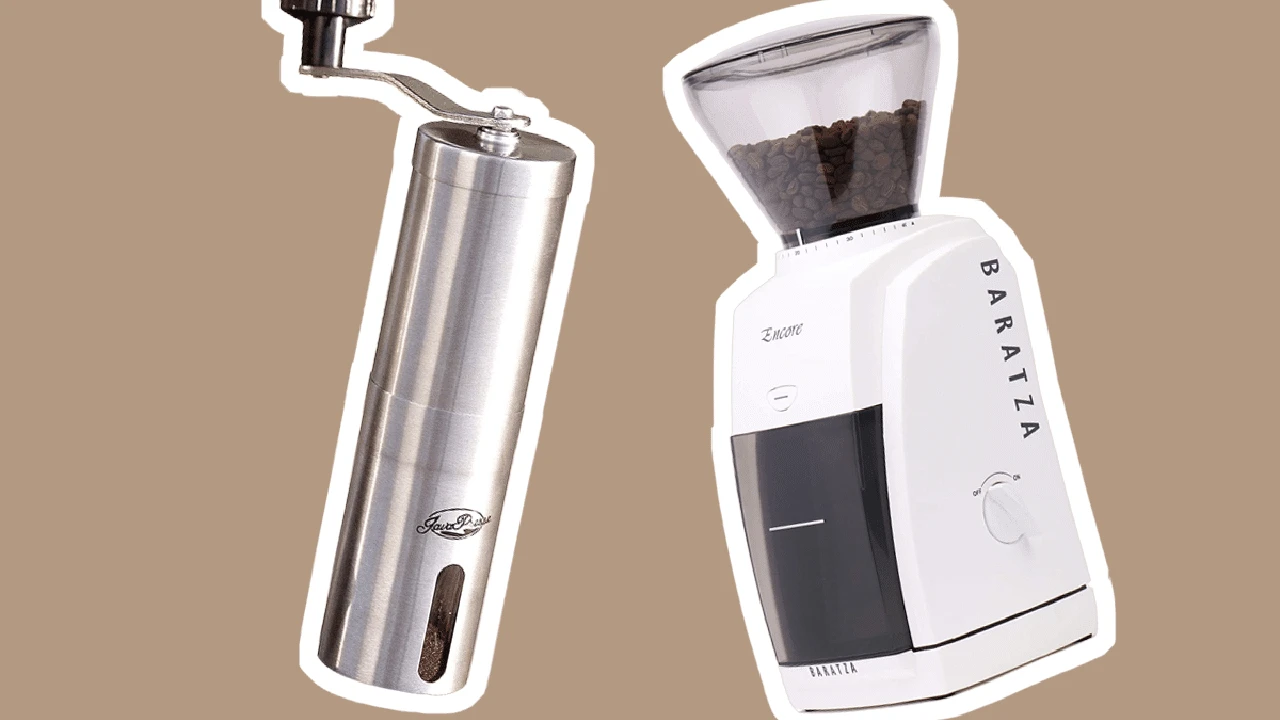
- Grind on demand: This is probably the single most impactful thing you can do for fresh coffee. Invest in a good burr grinder and grind your beans just before brewing. The difference in taste is night and day.
- Avoid clear containers: We've said it before, but it bears repeating. Light is a flavor killer.
- Keep away from heat sources: Don't store your coffee next to the stove, on top of the fridge (which often radiates heat), or in direct sunlight on your counter.
- Don't open the container unnecessarily: Every time you open your storage container, you're letting in fresh air. Try to minimize how often you open it.
The Science of Stale Coffee What Happens to Your Beans
Let's get a little nerdy for a moment. When coffee beans are roasted, they undergo complex chemical reactions that create thousands of aromatic compounds. They also release CO2 gas. This off-gassing continues for days, even weeks, after roasting. This is why many coffee bags have one-way valves – to let CO2 out without letting oxygen in. As the beans age, these volatile aromatic compounds begin to break down and dissipate. Oxidation is a major culprit, turning pleasant flavors into stale, cardboard-like notes. The oils in the coffee can also go rancid over time, leading to an unpleasant, bitter taste. Moisture can cause hydrolysis, further breaking down compounds and potentially leading to mold. Essentially, every day your coffee beans are exposed to air, light, heat, or moisture, they are losing a little bit of their magic. Proper storage slows this process down significantly, allowing you to enjoy your coffee at its peak for longer.
Common Mistakes to Avoid When Storing Coffee
We've covered the good practices, now let's highlight some common pitfalls:
- Storing in the original bag (unless it's a high-quality, valved bag): Many coffee bags are not truly airtight once opened, and most are not opaque enough.
- Using clear glass jars on the counter: Looks pretty, but terrible for freshness due to light exposure.
- Storing in the fridge: As discussed, moisture and odors are the enemies here.
- Grinding all your beans at once: The biggest freshness killer.
- Storing near spices or strong-smelling foods: Coffee is highly absorbent and will pick up those aromas.
- Buying huge quantities without a plan: Unless you're freezing properly, you'll end up with stale coffee.
Making Your Coffee Last Longer A Practical Guide
So, to wrap it up, keeping your coffee fresh isn't rocket science, but it does require a bit of intentionality. Invest in a good, opaque, airtight container like the Fellow Atmos or Airscape. Store your whole beans in a cool, dark place. Grind them just before you brew. If you buy in bulk, consider portioning and freezing. By following these simple steps, you'll ensure that every cup you brew is as delicious and aromatic as the roaster intended. Happy brewing!
:max_bytes(150000):strip_icc()/277019-baked-pork-chops-with-cream-of-mushroom-soup-DDMFS-beauty-4x3-BG-7505-5762b731cf30447d9cbbbbbf387beafa.jpg)