How to Choose the Right Coffee Beans for Your Brew Method
Match your coffee beans to your brewing method for optimal taste. Learn which beans perform best in espresso, pour-over, or French press.
Match your coffee beans to your brewing method for optimal taste. Learn which beans perform best in espresso, pour-over, or French press.
How to Choose the Right Coffee Beans for Your Brew Method
Hey there, fellow coffee lovers! Ever wondered why that fancy bag of single-origin Ethiopian beans tasted amazing as a pour-over but fell flat in your espresso machine? Or why your favorite dark roast from the supermarket makes a muddy French press? Well, you've hit on one of the most crucial, yet often overlooked, aspects of home brewing: matching your coffee beans to your brewing method. It's not just about personal preference; it's about understanding how different beans and roasts interact with various extraction processes to unlock their full flavor potential. Let's dive deep into the world of coffee beans and brewing methods, making sure every cup you brew is a masterpiece.
Understanding Coffee Bean Basics Arabica vs Robusta and Roast Levels
Before we get into specific brewing methods, let's quickly recap the two main species of coffee beans and the impact of roast levels. These are fundamental to making informed choices.
Arabica vs Robusta Coffee Beans Flavor Profiles and Caffeine Content
Arabica: This is the superstar of the coffee world, making up about 60% of global production. Arabica beans are known for their complex, aromatic, and nuanced flavors. Think notes of fruit, flowers, chocolate, nuts, and caramel. They typically have higher acidity and a lower caffeine content compared to Robusta. Arabica beans are generally preferred for specialty coffee and methods that highlight delicate flavors.
Robusta: As the name suggests, Robusta beans are more robust. They're hardier plants, easier to grow, and have a higher caffeine content (almost double that of Arabica). Flavor-wise, Robusta tends to be bolder, more bitter, and often described as having rubbery or earthy notes. While not as celebrated for nuanced flavors, Robusta is crucial for adding crema to espresso blends and providing a strong caffeine kick. Many traditional Italian espresso blends use a percentage of Robusta for this very reason.
Coffee Roast Levels Light Medium Dark and Their Impact
The roast level dramatically changes a bean's characteristics. It's not just about color; it's about chemical changes that develop flavor, reduce acidity, and bring out different notes.
- Light Roast: These beans are roasted for the shortest amount of time, just past the first crack. They retain most of their original acidity and showcase the bean's inherent origin flavors. You'll often find fruity, floral, and bright notes. Light roasts are denser and require a finer grind and hotter water for proper extraction.
- Medium Roast: Roasted to just before or at the beginning of the second crack, medium roasts offer a balanced flavor profile. They have less acidity than light roasts but still retain some of the bean's origin characteristics, often developing notes of chocolate, caramel, and nuts. This is a versatile roast level.
- Dark Roast: Roasted well into or past the second crack, dark roasts are characterized by a bold, smoky, and sometimes bitter flavor. The origin characteristics are largely overshadowed by the roast itself, bringing out notes of dark chocolate, roasted nuts, and sometimes a hint of char. They have lower acidity and a fuller body.
Choosing Beans for Espresso Machines High Pressure Extraction
Espresso is a unique brewing method that uses high pressure and finely ground coffee to produce a concentrated shot. This method is very unforgiving, so bean choice is critical.
Ideal Coffee Beans for Espresso Rich Crema and Balanced Flavor
For espresso, you generally want beans that can stand up to the intense extraction process and produce a good amount of crema. While 100% Arabica can make excellent espresso, many traditionalists and even modern roasters opt for blends that include a small percentage of Robusta (5-20%). The Robusta contributes to a thicker, more stable crema and adds a bit of punch and body.
Roast Level: Medium to dark roasts are typically preferred for espresso. A medium-dark roast often hits the sweet spot, offering a rich body, lower acidity, and notes of chocolate, caramel, or roasted nuts that complement milk-based drinks beautifully. Very light roasts can be challenging to extract properly for espresso, often resulting in sour shots, though some specialty roasters are mastering light roast espresso.
Recommended Espresso Beans and Blends Product Spotlight
Here are a few types of beans and specific products that generally perform well for espresso:
- Lavazza Super Crema (Blend): This is a classic for a reason. It's a blend of Arabica and Robusta, offering a rich, full-bodied espresso with excellent crema. You'll get notes of hazelnut and brown sugar. It's very forgiving and great for beginners.
- Illy Classico Whole Bean Coffee (100% Arabica): If you prefer a 100% Arabica espresso, Illy's Classico is a fantastic choice. It's a medium roast with a smooth, balanced flavor profile, often with notes of caramel and chocolate. It produces a good crema for an Arabica.
- Counter Culture Coffee Hologram (Blend): For a more modern, specialty coffee approach, Hologram is a popular choice. It's a blend designed for espresso, often featuring a mix of origins that create a complex, sweet, and balanced shot. It might be a medium-light to medium roast, offering brighter notes than traditional Italian blends.
- Stumptown Coffee Roasters Hair Bender (Blend): Another excellent specialty blend, Hair Bender is known for its versatility but shines as espresso. It's a darker medium roast, offering notes of dark chocolate, cherry, and fudge. It's robust enough to cut through milk.
Pricing: Lavazza and Illy typically range from $15-$25 for a 12oz-1lb bag. Specialty roasters like Counter Culture and Stumptown will be on the higher end, usually $18-$25 for a 12oz bag, reflecting the quality of the beans and the roasting process.
Choosing Beans for Pour Over Brewing Clean and Bright Flavors
Pour-over methods like the Hario V60, Chemex, or Kalita Wave are designed to highlight the nuanced flavors and aromatics of coffee. They produce a clean cup with a lighter body.
Ideal Coffee Beans for Pour Over Highlighting Origin Characteristics
For pour-over, you want beans that have distinct and interesting origin characteristics. The brewing method allows these delicate flavors to shine without being overshadowed by the roast or a heavy body.
Roast Level: Light to medium roasts are king here. These roasts preserve the bean's natural acidity and complex aromatics. You'll often find single-origin beans from Ethiopia, Kenya, Colombia, or Central America that are perfect for pour-over, showcasing notes of berries, citrus, jasmine, or stone fruit.
Recommended Pour Over Beans Single Origins and Light Roasts
- Ethiopian Yirgacheffe (Single Origin Light Roast): This is a classic for pour-over. Known for its bright, floral, and citrusy notes, often with a tea-like body. It's incredibly aromatic and clean.
- Kenyan AA (Single Origin Light Roast): Kenyan coffees are famous for their vibrant acidity, often described as blackcurrant or tomato-like, with a juicy body. A fantastic choice for a lively cup.
- Colombia Supremo (Single Origin Medium Roast): If you prefer something a bit more balanced but still clean, a good Colombian Supremo offers notes of chocolate, caramel, and nuts with a pleasant acidity.
- Blue Bottle Coffee Hayes Valley Espresso (Blend, but versatile): While named 'Espresso', this blend from Blue Bottle is often a medium roast that works beautifully for pour-over, offering a balanced and sweet cup with notes of chocolate and dried fruit. It's a good bridge if you're exploring.
Pricing: Single-origin light roasts from reputable specialty roasters typically range from $18-$28 for a 12oz bag, depending on the origin and rarity. Blue Bottle is usually in the $18-$22 range.
Choosing Beans for French Press Full Bodied and Rich
The French press is an immersion brewing method, meaning the coffee grounds steep directly in the water. This results in a full-bodied, rich cup with more sediment and oils, as no paper filter is used.
Ideal Coffee Beans for French Press Robust Flavors and Body
For French press, you want beans that can deliver a robust flavor and a heavy body. The immersion method extracts more oils and fines, so beans with inherent richness and lower acidity tend to shine.
Roast Level: Medium to dark roasts are generally excellent for French press. They provide the bold flavors and body that this method excels at. Notes of dark chocolate, roasted nuts, and earthy tones are often enhanced. Lighter roasts can sometimes taste thin or overly acidic in a French press due to the full immersion.
Recommended French Press Beans Darker Roasts and Blends
- Sumatra Mandheling (Single Origin Dark Roast): A classic for French press. Known for its earthy, low-acidity, full-bodied profile with notes of dark chocolate and sometimes a hint of spice. It's incredibly rich.
- Peet's Coffee Major Dickason's Blend (Dark Roast): A very popular dark roast blend that's fantastic in a French press. It's bold, complex, and smoky with a rich finish. It's designed for a strong, satisfying cup.
- Starbucks Pike Place Roast (Medium Roast): While a large chain, their Pike Place Roast is a versatile medium roast that performs well in a French press, offering balanced notes of cocoa and toasted nuts with a smooth finish.
- Death Wish Coffee (Dark Roast, High Caffeine): If you're looking for an extremely bold and high-caffeine experience in your French press, Death Wish is a popular choice. It's a very dark roast, often with Robusta, delivering an intense cup.
Pricing: Sumatra Mandheling from specialty roasters can be $16-$22 for 12oz. Peet's and Starbucks are typically more affordable, ranging from $10-$15 for a 12oz bag. Death Wish Coffee is usually in the $20-$25 range for 12oz due to its unique blend and marketing.
Choosing Beans for Cold Brew Smooth and Low Acidity
Cold brew is an immersion method that uses cold water and a long steeping time (12-24 hours). This process extracts less acidity and bitterness, resulting in a naturally sweet, smooth, and concentrated coffee.
Ideal Coffee Beans for Cold Brew Naturally Sweet and Low Acid
For cold brew, you want beans that can contribute natural sweetness and a smooth body. Since the cold water extraction minimizes acidity, you can experiment with a wider range of roasts, but medium to dark roasts often yield the most satisfying results.
Roast Level: Medium to dark roasts are very popular for cold brew, as they provide a rich, chocolatey, or nutty base that translates well into a smooth concentrate. However, some lighter roasts with inherent sweetness (like certain Ethiopians) can also make interesting, brighter cold brews. Avoid overly bright or acidic beans if you're aiming for a classic smooth cold brew.
Recommended Cold Brew Beans Versatile and Flavorful
- Brazilian Santos (Single Origin Medium Roast): Brazilian beans are often naturally low in acidity and have notes of chocolate and nuts, making them perfect for a smooth, sweet cold brew.
- Stone Street Coffee Cold Brew Reserve (Blend): This blend is specifically designed for cold brew. It's a dark roast, offering a very smooth, low-acid, and chocolatey concentrate. It's a go-to for many cold brew enthusiasts.
- Bizzy Organic Cold Brew Coffee (Blend): Another popular pre-ground option for cold brew, Bizzy uses a blend of Arabica beans that are roasted specifically for cold extraction, resulting in a smooth, balanced, and naturally sweet concentrate.
- Any good quality Dark Roast Blend: Many general dark roast blends (like those from local roasters or even major brands) will work well for cold brew, as the cold extraction process mellows out any potential bitterness from the dark roast.
Pricing: Brazilian Santos from specialty roasters can be $15-$20 for 12oz. Stone Street and Bizzy, being specialized cold brew options, are often in the $18-$25 range for a 12oz-1lb bag.
Choosing Beans for Drip Coffee Makers Consistent and Balanced
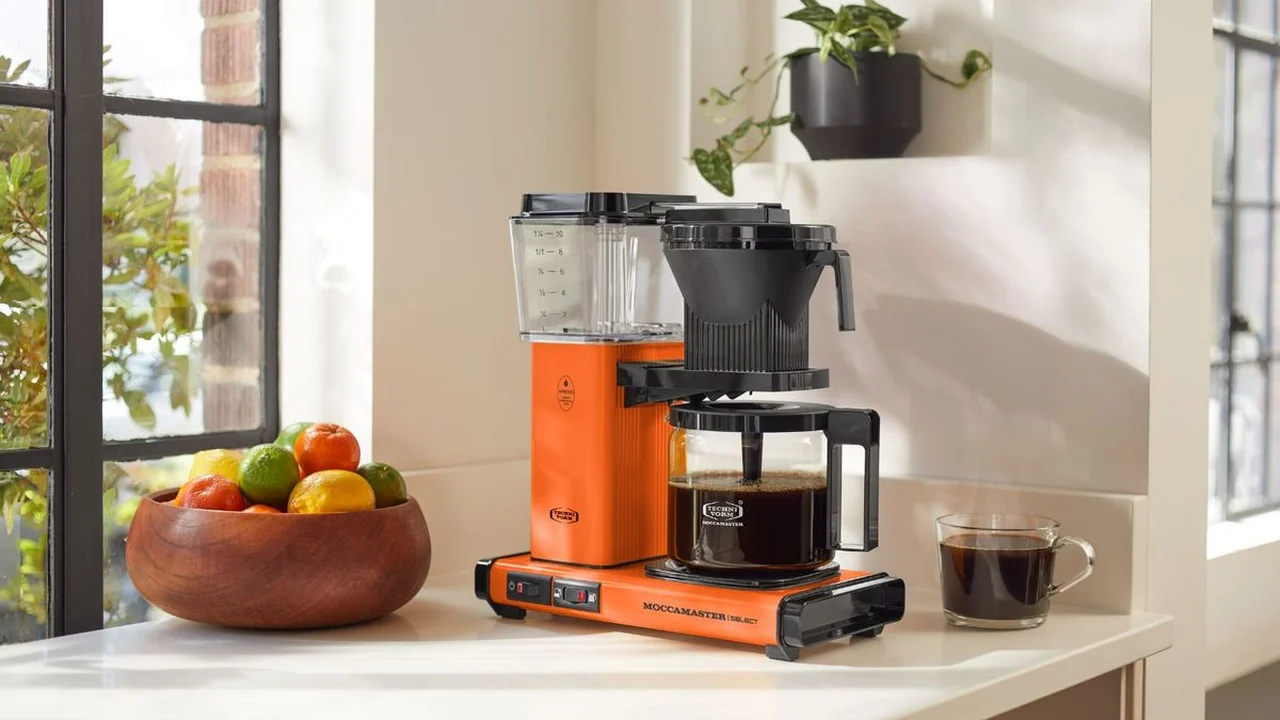
Drip coffee makers are the workhorses of many kitchens, offering convenience and a consistent cup. They use gravity and a paper filter, resulting in a clean cup that's less full-bodied than French press but more robust than pour-over.
Ideal Coffee Beans for Drip Coffee Versatile and Balanced
For drip coffee, you want versatile beans that offer a balanced flavor profile without being overly delicate or overwhelmingly bold. Medium roasts are often the sweet spot here.
Roast Level: Medium roasts are generally ideal for drip coffee. They offer a good balance of acidity, body, and developed flavors like chocolate, caramel, and nuts. Darker roasts can also work if you prefer a bolder cup, but be mindful of potential bitterness. Lighter roasts might taste a bit thin or sour in some drip machines, especially those that don't maintain optimal brewing temperatures.
Recommended Drip Coffee Beans Everyday Favorites
- Eight O'Clock Coffee Original (Medium Roast Blend): A classic, affordable, and widely available blend that consistently makes a pleasant, balanced cup in a drip machine. It's a good everyday coffee.
- Folgers Classic Roast (Medium Roast Blend): Another ubiquitous option. While not specialty coffee, it's designed for drip machines and delivers a consistent, familiar taste that many enjoy for daily brewing.
- Seattle's Best Coffee Portside Blend (Medium Roast): This blend offers a smooth, balanced cup with notes of cocoa and toasted nuts, making it a solid choice for drip coffee.
- Your Local Roaster's House Blend (Often Medium Roast): Many local roasters have a 'house blend' that's designed to be versatile and approachable, often a medium roast that performs beautifully in a drip machine. This is a great way to support local businesses and get fresh beans.
Pricing: Eight O'Clock, Folgers, and Seattle's Best are typically very budget-friendly, ranging from $8-$12 for a 12oz bag. Local roaster house blends will be in the $15-$20 range for 12oz.
Beyond the Basics Experimentation and Personal Preference
While these guidelines are a great starting point, remember that coffee is a journey of discovery. Don't be afraid to experiment!
Tips for Experimenting with Coffee Beans and Brewing Methods
- Buy Small Bags: When trying new beans or roasts, buy smaller bags (8-12oz) so you don't commit to a large quantity if it's not to your liking.
- Adjust Grind Size: This is crucial. Even with the right bean, the wrong grind size can ruin a cup. Fine for espresso, medium-fine for pour-over, coarse for French press, medium for drip, and coarse for cold brew.
- Water Quality Matters: Good water makes good coffee. Filtered water is always recommended.
- Keep a Journal: Note down what beans you used, the roast level, the brewing method, grind size, and your tasting notes. This helps you learn what you like and what works.
- Don't Be Afraid of Blends: While single origins are exciting, many roasters create fantastic blends specifically designed to excel in certain brewing methods or to achieve a balanced flavor profile.
- Consider Freshness: Always check the roast date. Freshly roasted beans (within 2-4 weeks of roasting) will always taste better, regardless of the brewing method.
Ultimately, the 'right' coffee bean for your brew method is the one that tastes best to you. These recommendations are based on general principles of coffee extraction and common flavor profiles. So, grab some beans, fire up your brewer, and enjoy the delicious process of finding your perfect cup!
:max_bytes(150000):strip_icc()/277019-baked-pork-chops-with-cream-of-mushroom-soup-DDMFS-beauty-4x3-BG-7505-5762b731cf30447d9cbbbbbf387beafa.jpg)