Exploring the World of Arabica vs Robusta Coffee Beans
Dive into the differences between Arabica and Robusta coffee beans. Understand their flavor profiles, caffeine content, and uses.
Dive into the differences between Arabica and Robusta coffee beans. Understand their flavor profiles, caffeine content, and uses.
Arabica vs Robusta Coffee Beans A Comprehensive Guide
Hey coffee lovers! Ever wondered what makes your morning cup taste the way it does? A huge part of that comes down to the type of coffee bean you're brewing. The coffee world is primarily dominated by two major species: Arabica and Robusta. While both give us that beloved caffeine kick, they are incredibly different in terms of flavor, growing conditions, caffeine content, and even how they're used. Let's dive deep into the fascinating world of these two coffee giants and help you understand which one might be your perfect match.
Arabica Coffee Beans The King of Flavor
Arabica, scientifically known as Coffea arabica, is by far the most popular coffee species, accounting for about 60-70% of the world's coffee production. It's often considered the 'gourmet' bean, prized for its complex and aromatic flavor profile. If you're sipping on a specialty coffee from your local cafe, chances are it's 100% Arabica.
Arabica Flavor Profile and Aroma
What makes Arabica so special? Its flavor. Arabica beans are known for their wide range of delicate and nuanced flavors. You'll often find notes of chocolate, nuts, caramel, fruit, and even floral undertones. They tend to have a higher acidity, which contributes to a bright, lively taste, and a pleasant sweetness. The aroma is typically rich and fragrant, making for a truly inviting brewing experience. Think of a beautifully balanced cup with a clean finish – that's Arabica for you.
Growing Conditions for Arabica Coffee
Arabica is a bit of a diva when it comes to growing conditions. It thrives in high altitudes, typically between 2,000 and 6,000 feet above sea level, in regions with consistent rainfall, mild temperatures, and rich soil. Countries like Ethiopia, Colombia, Brazil, and Central American nations are famous for their Arabica production. These plants are more delicate and susceptible to diseases and pests, making them more challenging and costly to cultivate. This also contributes to their higher price point.
Caffeine Content in Arabica Beans
Compared to Robusta, Arabica has a significantly lower caffeine content, usually ranging from 1.5% to 2.5% by weight. This lower caffeine level contributes to its smoother, less bitter taste. So, if you're sensitive to caffeine but still want to enjoy a flavorful cup, Arabica is often the way to go.
Common Uses of Arabica Coffee
Arabica is the go-to choice for most brewing methods where flavor is paramount. It's the star of pour-overs, French presses, drip coffee, and especially espresso, where its complex flavors can truly shine. Many specialty coffee roasters exclusively work with Arabica beans due to their superior taste and aroma.
Robusta Coffee Beans The Bold and Robust Choice
Now, let's talk about Robusta, or Coffea canephora. As its name suggests, Robusta is a much hardier plant. It accounts for about 30-40% of the world's coffee production and is often found in instant coffee, espresso blends, and as a filler in lower-quality coffee products. But don't let that fool you; Robusta has its own unique strengths and a dedicated following.
Robusta Flavor Profile and Aroma
Robusta's flavor profile is quite different from Arabica. It's known for its strong, bold, and often rubbery or earthy taste. It has a much lower acidity, which can sometimes lead to a harsher, more bitter flavor. While it lacks the nuanced complexity of Arabica, it often produces a thicker crema in espresso, which some baristas appreciate for its visual appeal and mouthfeel. The aroma is less fragrant and can sometimes be described as burnt or rubbery, especially in lower-grade beans.
Growing Conditions for Robusta Coffee
Robusta is, well, robust! It can grow in hotter climates and at lower altitudes, typically from sea level up to 2,500 feet. It's much more resistant to diseases and pests, making it easier and cheaper to cultivate. Major Robusta producers include Vietnam, Brazil, Indonesia, and parts of Africa. Its resilience makes it a more sustainable crop in certain regions.
Caffeine Content in Robusta Beans
Here's where Robusta really stands out: its caffeine content. Robusta beans contain significantly more caffeine than Arabica, typically ranging from 2.5% to 4.5% or even higher. This higher caffeine level contributes to its more bitter taste but also provides a stronger energy boost. If you're looking for a serious jolt to start your day, Robusta delivers.
Common Uses of Robusta Coffee
Due to its bold flavor and high caffeine content, Robusta is a staple in many espresso blends, especially in Italy, where it contributes to a thick, persistent crema and a strong, punchy shot. It's also widely used in instant coffee production because of its lower cost and strong flavor that holds up well to processing. Some dark roast blends also incorporate Robusta for an extra kick and body.
Key Differences Arabica vs Robusta at a Glance
Let's summarize the main distinctions between these two coffee powerhouses:
- Flavor: Arabica is complex, aromatic, sweet, and acidic with notes of fruit, chocolate, and nuts. Robusta is bold, strong, earthy, and often bitter with rubbery or burnt undertones.
- Acidity: Arabica has higher acidity, leading to a brighter taste. Robusta has lower acidity, contributing to its bolder, sometimes harsher profile.
- Caffeine Content: Arabica has lower caffeine (1.5-2.5%). Robusta has higher caffeine (2.5-4.5%+).
- Growing Conditions: Arabica prefers high altitudes, mild temperatures, and consistent rainfall. Robusta thrives in hotter climates and lower altitudes, and is more resilient.
- Price: Arabica beans are generally more expensive due to their delicate nature and higher demand for specialty coffee. Robusta is typically more affordable.
- Crema: Robusta often produces a thicker, more persistent crema in espresso.
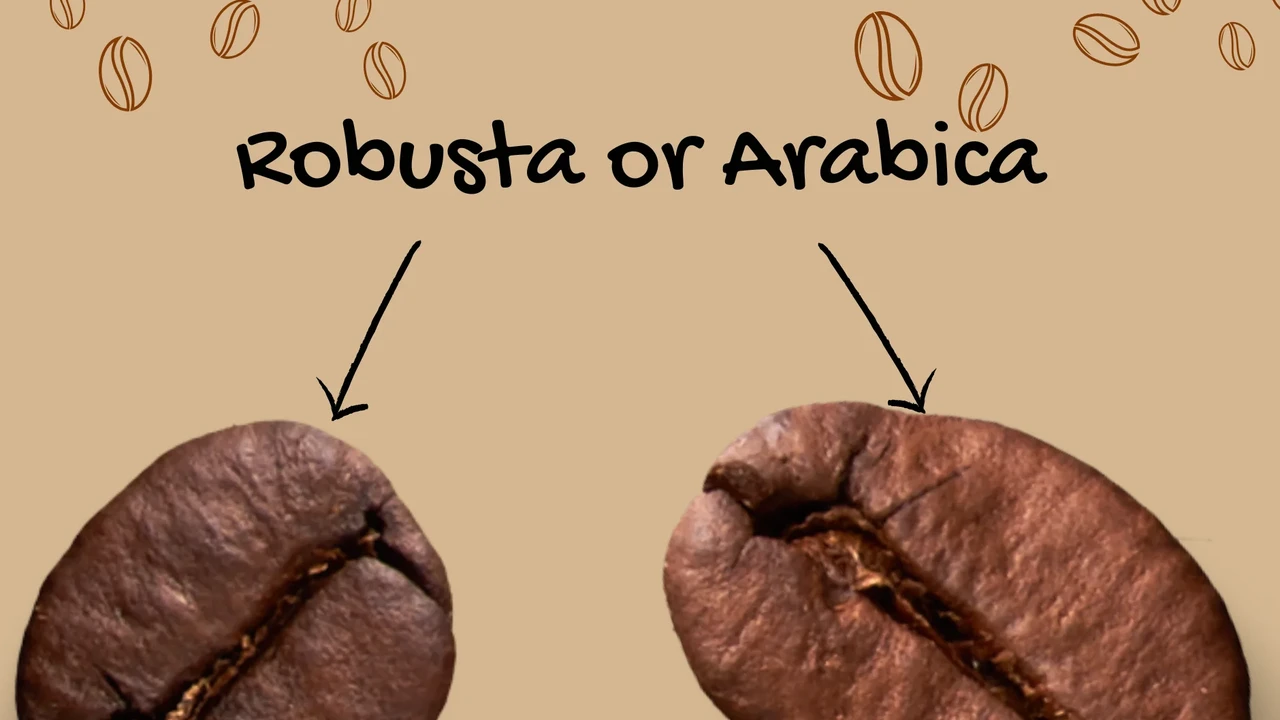
- Shape: Arabica beans are oval-shaped with a distinct S-shaped groove. Robusta beans are rounder with a straighter groove.
Which Coffee Bean is Right for You Choosing Your Brew
So, with all this information, how do you choose? It really comes down to your personal preference and what you're looking for in your coffee experience.
For the Flavor Connoisseur Arabica Recommendations
If you prioritize nuanced flavors, a pleasant aroma, and a smoother, less bitter cup, Arabica is your go-to. Here are some excellent Arabica options and what to look for:
- Ethiopian Yirgacheffe: Known for its bright, floral, and citrusy notes. Perfect for pour-over or drip coffee. Price Range: $15-$25 per 12oz bag.
- Colombian Supremo: A classic, well-balanced Arabica with notes of chocolate, nuts, and a medium body. Great for everyday brewing. Price Range: $12-$20 per 12oz bag.
- Brazilian Santos: Often has lower acidity with nutty and chocolatey flavors, making it a good base for espresso or a smooth drip. Price Range: $10-$18 per 12oz bag.
- Sumatra Mandheling: A unique Arabica with earthy, herbal, and low-acid notes. Excellent for those who prefer a bolder, darker Arabica. Price Range: $14-$22 per 12oz bag.
Recommended Brands/Roasters for Arabica:
- Counter Culture Coffee: Known for their high-quality, ethically sourced single-origin Arabicas. Their 'Apollo' espresso blend is 100% Arabica and fantastic. Typical Price: $16-$20 per 12oz.
- Stumptown Coffee Roasters: Offer a wide range of excellent Arabica beans. Their 'Hair Bender' blend is a popular choice for espresso and drip. Typical Price: $17-$21 per 12oz.
- Blue Bottle Coffee: Focus on fresh, high-quality Arabica. Their 'Bella Donovan' blend is a great all-rounder. Typical Price: $18-$22 per 12oz.
For the Bold and Energetic Robusta Recommendations
If you're looking for a strong, bold cup with a serious caffeine kick, or if you love a thick crema in your espresso, Robusta (or an Arabica-Robusta blend) might be for you. Pure Robusta can be intense, so it's often found in blends.
- Vietnamese Robusta: Vietnam is the largest producer of Robusta. Their beans are often used in traditional Vietnamese iced coffee (Ca Phe Sua Da) for its strong flavor that stands up to condensed milk. Price Range: $8-$15 per 12oz bag (often found in specialty Asian markets or online).
- Indian Cherry Robusta: A specific type of Robusta known for its clean, less rubbery taste compared to some other Robustas. Often used in espresso blends. Price Range: $10-$18 per 12oz bag.
Recommended Brands/Roasters for Robusta Blends (often 80/20 Arabica/Robusta or 70/30):
- Lavazza Super Crema Espresso Whole Bean Coffee Blend: A popular Italian blend with a significant Robusta component (around 20-30%) for excellent crema and a strong espresso. Typical Price: $15-$20 per 2.2lb bag.
- Illy Classico Whole Bean Coffee: While primarily Arabica, Illy often includes a small percentage of high-quality Robusta in some of its blends to enhance body and crema. Typical Price: $15-$20 per 8.8oz can.
- Death Wish Coffee Whole Bean: Marketed as the 'world's strongest coffee,' this blend often uses a significant amount of Robusta to achieve its high caffeine content and bold flavor. Typical Price: $20-$25 per 1lb bag.
The Best of Both Worlds Arabica Robusta Blends
Many coffee roasters create blends that combine Arabica and Robusta beans. This allows them to leverage the best qualities of both: the rich flavor and aroma of Arabica with the strong body, intense crema, and caffeine kick of Robusta. These blends are particularly popular for espresso, where the Robusta contributes to a beautiful, thick crema and a more robust shot that cuts through milk well.
Why Blends are Popular for Espresso
For espresso, a small percentage of high-quality Robusta (typically 10-30%) can significantly improve the shot. It adds body, enhances the crema, and provides a stronger caffeine punch without overpowering the delicate flavors of the Arabica. This is why many traditional Italian espresso blends feature a Robusta component.
Beyond the Beans The Impact of Roasting and Brewing
While the bean type is crucial, remember that roasting and brewing methods also play a massive role in your final cup. A light roast of an Arabica bean will highlight its delicate acidity and floral notes, while a dark roast will bring out more chocolatey and smoky flavors. Similarly, brewing an espresso will yield a very different result than a pour-over, even with the same beans.
Experimentation is key in the world of coffee. Don't be afraid to try different beans, roasts, and brewing methods. You might discover a new favorite that perfectly suits your palate and your daily coffee ritual. Whether you're an Arabica aficionado or a Robusta enthusiast, understanding these two fundamental coffee species is the first step to becoming a true home barista.
:max_bytes(150000):strip_icc()/277019-baked-pork-chops-with-cream-of-mushroom-soup-DDMFS-beauty-4x3-BG-7505-5762b731cf30447d9cbbbbbf387beafa.jpg)