Single Origin vs Coffee Blends Which is Right for You
Compare single-origin coffee beans with coffee blends. Discover their unique profiles and decide which suits your taste preferences.
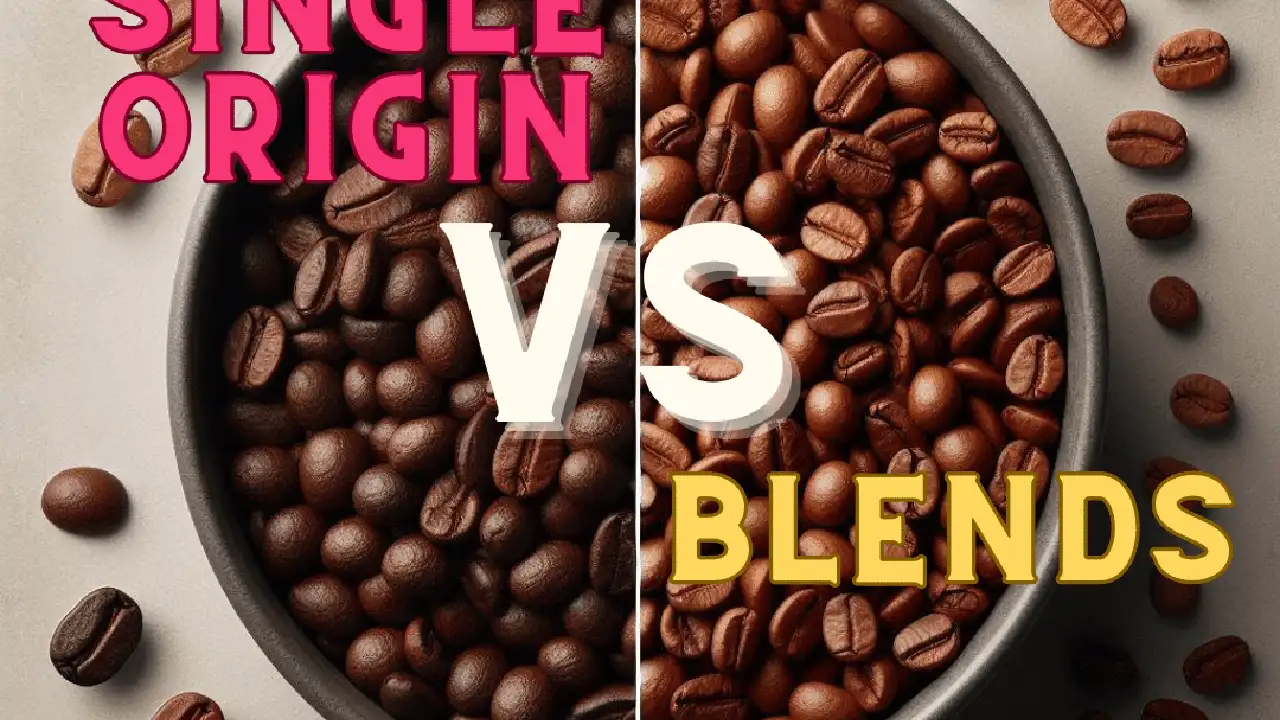
Compare single-origin coffee beans with coffee blends. Discover their unique profiles and decide which suits your taste preferences.
Single Origin vs Coffee Blends Which is Right for You
Hey coffee lovers! Ever stood in front of a bewildering array of coffee bags, wondering whether to grab that exotic-sounding single-origin or a familiar, comforting blend? You're not alone. This is one of the most common dilemmas for home baristas, and understanding the difference between single-origin coffees and coffee blends is key to unlocking a whole new world of flavor and brewing experiences. Let's dive deep into what makes each unique, their pros and cons, and ultimately, help you decide which one is your perfect cup.
Understanding Single Origin Coffee Beans What Makes Them Special
So, what exactly is a single-origin coffee? Simply put, it's coffee that comes from a single, identifiable geographic location. This could be a specific farm, a particular cooperative, or even a distinct region within a country. The beauty of single-origin coffee lies in its traceability and its ability to showcase the unique characteristics of its terroir – the combination of soil, climate, altitude, and processing methods that influence the coffee cherry. Think of it like wine; a single-vineyard Cabernet Sauvignon will taste distinctly different from a blend of grapes from various regions.
The Unique Flavor Profile of Single Origin Coffee
Because single-origin coffees are not mixed with other beans, they tend to have a very distinct and often complex flavor profile. You'll frequently find notes that are highly specific to their origin. For example, an Ethiopian Yirgacheffe might offer bright, floral, and citrusy notes, while a Colombian Supremo could present a balanced, nutty, and chocolatey profile. A Sumatran Mandheling, on the other hand, might be earthy, bold, and low in acidity. This specificity is what makes single-origins so exciting for those who love to explore and appreciate the nuances of coffee.
Pros and Cons of Single Origin Coffee for Home Brewing
Let's break down the good and the not-so-good when it comes to single-origin beans:
Pros of Single Origin Coffee
- Distinct Flavor Exploration: This is the biggest draw. You get to experience unique flavors and aromas that are characteristic of a specific region or farm. It's like a coffee adventure in every cup.
- Traceability and Transparency: You often know exactly where your coffee comes from, down to the farm or cooperative. This can be appealing for those who care about ethical sourcing and sustainability.
- Highlighting Terroir: Single origins truly showcase the impact of geography and processing on coffee flavor. It's a great way to learn about coffee.
- Great for Specific Brewing Methods: Some single origins shine in particular brewing methods. For instance, a bright, fruity single origin might be incredible as a pour-over, highlighting its delicate notes.
Cons of Single Origin Coffee
- Inconsistent Availability: Because they come from a single harvest, single-origin coffees can be seasonal and may not always be available. When a batch runs out, it's gone until the next harvest.
- Less Forgiving in Brewing: Their distinct profiles can sometimes be less forgiving if your brewing technique isn't spot-on. A slight error might overemphasize an undesirable note.
- Can Be More Expensive: Due to their limited supply and often specialized processing, single-origin beans can sometimes carry a higher price tag.
- Not Always Balanced: While unique, a single origin might lack the overall balance that a well-crafted blend can offer, especially if you prefer a more rounded flavor.
Exploring Coffee Blends The Art of Harmonious Flavors
Now, let's talk about coffee blends. Unlike single origins, coffee blends are exactly what they sound like: a combination of two or more different single-origin coffees. The magic of blending lies in the roaster's skill to combine various beans to create a harmonious and consistent flavor profile that is often greater than the sum of its parts. Roasters carefully select beans from different regions, considering their individual characteristics, to achieve a desired taste, body, and aroma.
The Purpose and Benefits of Coffee Blends for Consistency and Balance
Blends are often designed with a specific purpose in mind. An espresso blend, for example, might combine a bold, low-acidity bean from Brazil with a brighter, more aromatic bean from Ethiopia to create a shot that cuts through milk beautifully and has a rich crema. A breakfast blend might aim for a smooth, approachable, and consistent flavor that's easy to drink every day.
Pros and Cons of Coffee Blends for Your Daily Brew
Here's a look at the advantages and disadvantages of coffee blends:
Pros of Coffee Blends
- Consistency: This is a huge one. Roasters can maintain a consistent flavor profile year-round by adjusting the ratios of different beans as harvests change. You know what you're getting every time.
- Balanced Flavor: Blends are designed to offer a well-rounded and balanced cup, often combining the best attributes of several beans while mitigating any less desirable ones.
- Versatility: Many blends are crafted to perform well across various brewing methods, from drip coffee to espresso.
- Cost-Effective: Blends can sometimes be more affordable than premium single-origin coffees, as roasters can use a mix of different-priced beans.
- Easier to Brew: Their balanced nature often makes them more forgiving for home baristas, leading to a good cup even with slight variations in technique.
Cons of Coffee Blends
- Less Traceability: While some blends might list their origins, it's often harder to pinpoint the exact farms or regions for each component bean.
- Less Distinctive: While balanced, blends might lack the unique, 'wow' factor that a truly exceptional single origin can offer.
- Flavor Can Change: Although roasters aim for consistency, the exact composition of a blend might subtly change over time depending on bean availability, which can lead to slight flavor shifts.
When to Choose Single Origin Coffee Exploring Specific Flavors
So, when should you reach for a single-origin bag? If you're someone who loves to explore and appreciate the subtle nuances of coffee, single origins are your playground. They are fantastic for:
- Pour Over and Filter Coffee: These methods tend to highlight the delicate aromatics and brighter notes of single origins.
- Coffee Tasting Sessions: If you're hosting a cupping or just want to compare different flavor profiles, single origins are perfect.
- Discovering New Favorites: It's a great way to find out which regions or processing methods you prefer.
- Appreciating Terroir: For those who want to understand the impact of origin on flavor.
Recommended Single Origin Coffees and Their Profiles
Let's look at a few examples of single-origin coffees you might encounter and what to expect:
Ethiopian Yirgacheffe Washed Process
- Flavor Profile: Bright, floral (jasmine, bergamot), citrusy (lemon, orange), tea-like body. Very aromatic.
- Best For: Pour over, AeroPress, cold brew.
- Typical Price Range: $18-$25 for 12oz/340g.
- Why Try It: If you love light, vibrant, and complex coffees that are almost like a fine tea.
- Example Product: Counter Culture Coffee - Idido. This specific Yirgacheffe lot is known for its intense floral and citrus notes, a true classic. Often available from specialty coffee retailers.
Colombian Supremo
- Flavor Profile: Balanced, medium body, notes of chocolate, nuts (almond, walnut), sometimes caramel or red fruit. Low acidity.
- Best For: Drip coffee, French press, espresso (as a base).
- Typical Price Range: $15-$20 for 12oz/340g.
- Why Try It: A great everyday drinker that's approachable and consistently good.
- Example Product: Peet's Coffee - Colombia Luminosa. While Peet's is a larger brand, their Luminosa often highlights the classic balanced profile of Colombian beans, making it a reliable choice for a consistent daily brew.
Sumatran Mandheling Natural Process
- Flavor Profile: Bold, earthy, low acidity, notes of dark chocolate, tobacco, cedar, sometimes tropical fruit. Full body.
- Best For: French press, espresso, cold brew.
- Typical Price Range: $16-$22 for 12oz/340g.
- Why Try It: If you prefer a rich, heavy-bodied coffee with unique savory notes.
- Example Product: Blue Bottle Coffee - Sumatra Tiga Raja. Blue Bottle often sources excellent Sumatran beans that exemplify the region's characteristic earthy and bold flavors, perfect for a robust cup.
When to Choose Coffee Blends For Consistency and Versatility
Blends are your go-to when you prioritize consistency, versatility, and a well-rounded flavor profile. They are ideal for:
- Daily Brewing: If you want a reliable, consistent cup every morning without much fuss.
- Espresso: Many blends are specifically designed to make excellent espresso shots, offering good crema and a balanced flavor that stands up to milk.
- Batch Brewing: For larger batches of drip coffee, blends often provide a more consistent and crowd-pleasing result.
- Beginner Home Baristas: Their forgiving nature makes them a great starting point for those still honing their brewing skills.
Popular Coffee Blends and Their Intended Use
Here are some common types of blends and what they're good for:
Espresso Blends For Rich Crema and Milk Drinks
- Purpose: Designed to produce a rich, balanced espresso shot with good crema, often with notes that complement milk.
- Flavor Profile: Typically medium to dark roast, with notes of chocolate, caramel, nuts, and a full body. Lower acidity.
- Best For: Espresso machines, Moka pots.
- Typical Price Range: $16-$25 for 12oz/340g.
- Example Product: Stumptown Coffee Roasters - Hair Bender. This is a classic, widely acclaimed espresso blend known for its rich, complex, and balanced profile with notes of dark chocolate, cherry, and fudge. It performs exceptionally well as espresso and in milk-based drinks.
Breakfast Blends For a Smooth Morning Cup
- Purpose: An approachable, easy-drinking coffee for the start of your day.
- Flavor Profile: Usually medium roast, smooth, balanced, often with mild nutty or chocolatey notes. Low bitterness.
- Best For: Drip coffee makers, French press.
- Typical Price Range: $14-$20 for 12oz/340g.
- Example Product: Starbucks - Breakfast Blend. While a mainstream option, it's a good example of a blend designed for broad appeal, offering a bright and tangy profile with a clean finish, perfect for a morning pick-me-up.
House Blends The Roaster's Signature
- Purpose: Often the roaster's signature blend, designed to showcase their style and offer a consistent, versatile option.
- Flavor Profile: Varies widely by roaster, but generally aims for balance and approachability across different brewing methods.
- Best For: All-purpose brewing.
- Typical Price Range: $15-$22 for 12oz/340g.
- Example Product: Intelligentsia Coffee - Black Cat Classic Espresso. Although named an espresso, it's often considered Intelligentsia's flagship blend, versatile enough for various brewing methods, offering a sweet, chocolatey, and full-bodied experience.
Making Your Choice Single Origin or Blend
Ultimately, the choice between single-origin coffee and coffee blends comes down to your personal preferences and what you're looking for in your daily cup. There's no right or wrong answer, and many home baristas enjoy having both on hand for different occasions.
Consider Your Brewing Method and Desired Flavor
If you're into delicate pour-overs and love to dissect flavor notes, single origins will offer you endless exploration. If you're pulling espresso shots daily and want a consistent, rich base for your lattes, a well-crafted espresso blend is probably your best bet. For a reliable, easy-drinking cup every morning, a good breakfast or house blend will serve you well.
Experimentation is Key to Finding Your Perfect Coffee
The best advice we can give you is to experiment! Try a few different single origins from various regions. Then, grab a couple of different blends – an espresso blend, a breakfast blend, or a roaster's house blend. Pay attention to how they taste, how they perform in your preferred brewing method, and which ones bring you the most joy. Keep a little coffee journal if you're serious about it, noting down flavors, aromas, and brewing parameters. You'll quickly start to identify what you love and what you don't.
Remember, the world of coffee is vast and exciting. Whether you lean towards the unique adventure of single origins or the comforting consistency of blends, there's a perfect cup out there waiting for you. Happy brewing!
:max_bytes(150000):strip_icc()/277019-baked-pork-chops-with-cream-of-mushroom-soup-DDMFS-beauty-4x3-BG-7505-5762b731cf30447d9cbbbbbf387beafa.jpg)