Espresso Machine Grinder Combos Reviewed
Compare integrated espresso machine and grinder combos. Find the best all-in-one solution for fresh coffee at home.
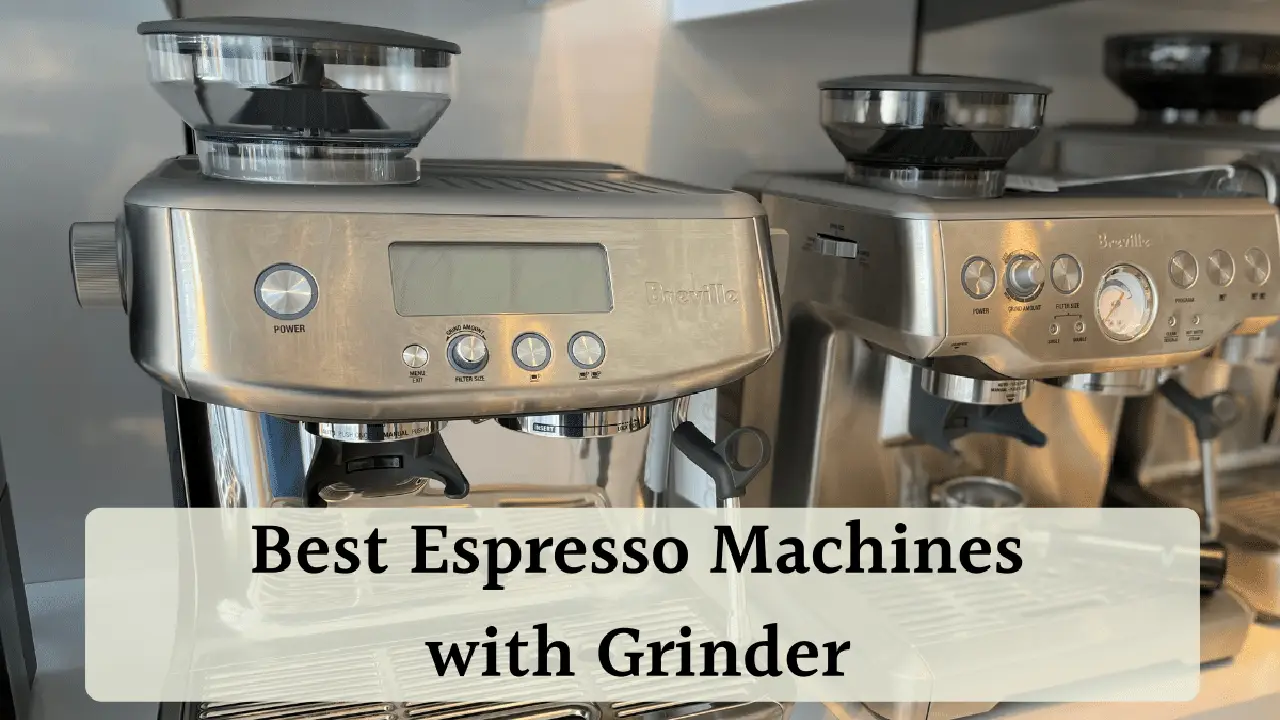
Compare integrated espresso machine and grinder combos. Find the best all-in-one solution for fresh coffee at home.
Espresso Machine Grinder Combos Reviewed
Hey coffee lovers! Are you dreaming of that perfect espresso shot right in your kitchen, but feeling a bit overwhelmed by all the gear? You're not alone. Many home baristas, especially those just starting out or with limited counter space, often wonder if an all-in-one espresso machine with a built-in grinder is the way to go. It sounds super convenient, right? One machine, fresh beans ground on demand, and espresso ready to go. But are these combos really as good as they sound? Let's dive deep into the world of integrated espresso machines and grinders, explore their pros and cons, and review some of the best options out there.
The idea behind these machines is simple: streamline your coffee setup. Instead of buying a separate espresso machine and a separate grinder, you get one unit that does both. This can save you space, money (sometimes!), and simplify your workflow. However, not all integrated grinders are created equal, and the quality of the grinder can significantly impact the quality of your espresso. We're talking about achieving that perfect grind size – too coarse and your espresso will be weak and watery, too fine and it'll be bitter and over-extracted. It's a delicate balance!
Why Consider an All in One Espresso Machine with Grinder
So, why would you even think about getting one of these combo machines? Well, there are some pretty compelling reasons. First off, as we mentioned, space saving is a huge one. If your kitchen counter looks like a battleground of appliances, consolidating two essential pieces of coffee gear into one can be a lifesaver. Secondly, convenience. Grinding your beans right before brewing is crucial for fresh, flavorful espresso, and having the grinder integrated means it's always there, ready to go, with minimal fuss. You don't have to move beans from one machine to another, or worry about spills between units. It's a more seamless process. Thirdly, cost. While some high-end combos can be pricey, many entry-level and mid-range options offer a good value compared to buying a decent espresso machine and a separate quality grinder individually. Often, manufacturers can offer a better price point when bundling these components. Finally, aesthetics. Let's be honest, a sleek, integrated machine often looks much cleaner and more cohesive on your counter than two separate units.
Understanding the Grinder Component in Combo Machines
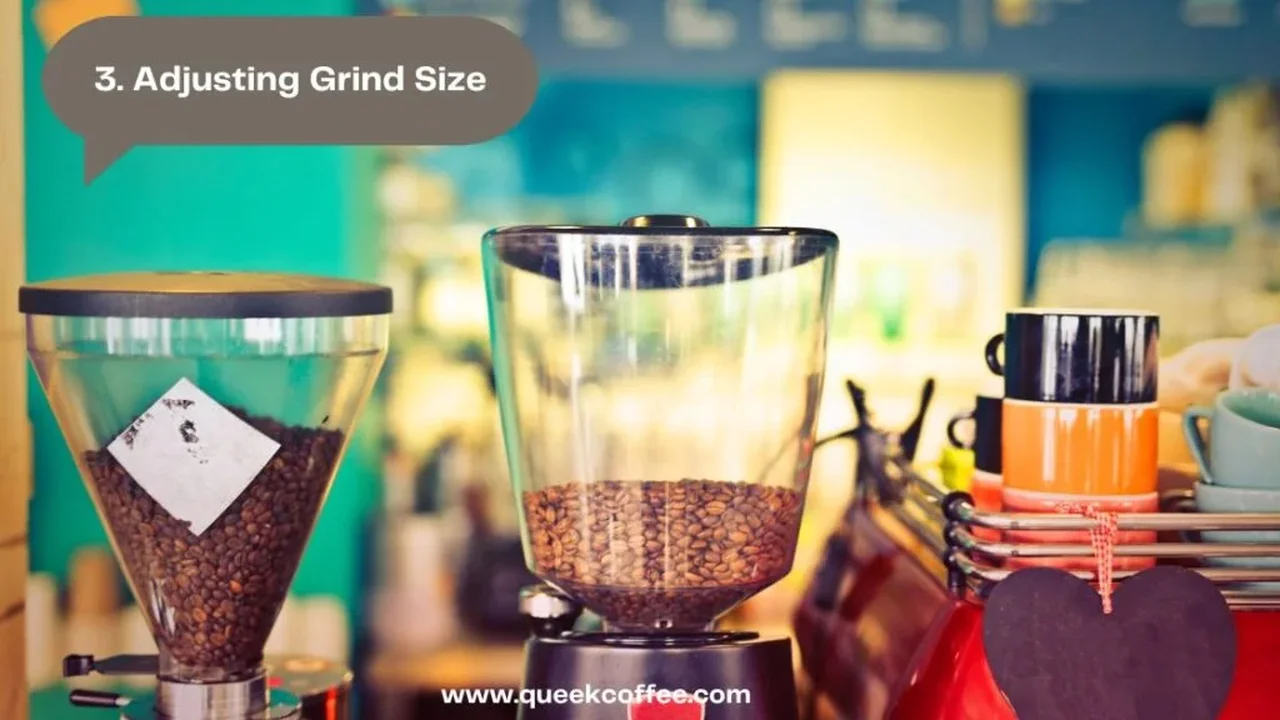
This is where things get really important. The grinder is arguably the most critical part of your espresso setup. A bad grinder can ruin even the best espresso machine. When we talk about grinders, we're generally looking at burr grinders, which are superior to blade grinders for coffee. Burr grinders crush the beans between two abrasive surfaces, providing a consistent and uniform grind. Blade grinders, on the other hand, chop the beans, leading to an inconsistent particle size, which is terrible for espresso extraction.
Within burr grinders, you'll find conical burrs and flat burrs. Both can produce excellent results, but they have subtle differences in grind consistency and retention. For espresso, you need a grinder that can produce a very fine, consistent grind, and also allow for micro-adjustments. This is key for dialing in your shots. Some integrated grinders might offer limited grind settings, which can be a significant drawback if you're serious about perfecting your espresso. Always check the specifications of the grinder component in any combo machine you're considering.
Top Integrated Espresso Machine Grinder Combos for Home Baristas
Alright, let's get to the good stuff! Here are some of the most popular and well-regarded espresso machine and grinder combos on the market, catering to different budgets and skill levels. We'll look at their features, ideal use cases, and approximate price ranges.
Breville Barista Express The Popular All in One Solution
The Breville Barista Express is probably the most famous and widely recommended all-in-one machine for home baristas, and for good reason. It's a fantastic entry point into the world of espresso, offering a semi-automatic machine with a built-in conical burr grinder. It's designed to be user-friendly while still giving you enough control to learn and grow your barista skills.
- Key Features: Integrated conical burr grinder with dose control, 15 bar Italian pump, PID temperature control for precise water temperature, pressure gauge, powerful steam wand for milk frothing.
- Ideal User: Beginners to intermediate home baristas who want a convenient all-in-one solution without sacrificing too much control. It's great for those who want to learn how to dial in shots and practice latte art.
- Use Case: Daily espresso, lattes, cappuccinos. Perfect for a household that enjoys fresh coffee and wants a relatively quick and easy setup.
- Pros: Excellent value for money, good quality grinder for its price point, relatively compact, easy to clean, good community support for troubleshooting.
- Cons: Grinder can be a bit noisy, grind adjustments are stepped (not stepless), which can make dialing in very precise shots a bit challenging for advanced users.
- Approximate Price: $700 - $800 USD.
Breville Barista Pro Faster Heat Up Time and Intuitive Interface
Building on the success of the Barista Express, the Breville Barista Pro offers some significant upgrades, primarily a faster heat-up time thanks to its ThermoJet heating system (3 seconds!), and a more intuitive LCD interface. It still features an integrated conical burr grinder.
- Key Features: ThermoJet heating system, integrated conical burr grinder with 30 grind settings, LCD display with grinding and extraction progress, 15 bar pump, powerful steam wand.
- Ideal User: Home baristas who prioritize speed and ease of use, but still want manual control over their espresso. Great for busy mornings.
- Use Case: Quick daily espresso and milk-based drinks. Ideal for those who appreciate modern design and a faster workflow.
- Pros: Super fast heat-up, more precise grind settings than the Express, intuitive display, still relatively compact.
- Cons: Higher price point than the Express, grinder still stepped, some users report the steam wand can be a bit finicky for perfect microfoam initially.
- Approximate Price: $800 - $900 USD.
DeLonghi La Specialista Arte Entry Level Manual Control
DeLonghi offers a range of integrated machines, and the La Specialista Arte is a solid contender for those looking for a more hands-on experience at a competitive price. It features a built-in grinder and a focus on manual control, making it a good learning machine.
- Key Features: Integrated grinder with 8 grind settings, 15 bar pump, active temperature control, My LatteArt steam wand, barista kit included (tamper, dosing funnel).
- Ideal User: Beginners who want to learn the art of espresso making with a more manual approach, without breaking the bank.
- Use Case: Experimenting with different beans and techniques, daily espresso and milk drinks.
- Pros: Good value, includes useful accessories, decent steam wand for its class, relatively compact.
- Cons: Limited grind settings compared to Breville, grinder can be a bit inconsistent at times, build quality might feel less premium than higher-end options.
- Approximate Price: $500 - $600 USD.
Gaggia Brera Super Automatic Convenience with Built in Grinder
If you're looking for ultimate convenience and don't want to fuss with dialing in shots, a super-automatic machine with a built-in grinder is the way to go. The Gaggia Brera is a popular choice in this category, offering bean-to-cup convenience.
- Key Features: Integrated ceramic burr grinder, pre-infusion, Pannarello steam wand, programmable brewing options, rapid steam technology.
- Ideal User: Those who want push-button convenience for their espresso and coffee drinks. Perfect for busy individuals or households where multiple people drink coffee.
- Use Case: Quick and easy espresso, Americanos, and milk-based drinks with minimal effort.
- Pros: Extremely easy to use, consistent results with minimal effort, compact for a super-automatic, easy to clean.
- Cons: Less control over extraction parameters, grinder is not as precise as dedicated espresso grinders, milk frothing is manual with the Pannarello wand (not automatic).
- Approximate Price: $600 - $700 USD.
Jura ENA 4 Automatic Espresso Machine Premium Bean to Cup Experience
Stepping up in the super-automatic world, Jura machines are known for their premium quality and advanced features. The ENA 4 is a sleek, compact option that delivers excellent bean-to-cup coffee.
- Key Features: P.E.P. (Pulse Extraction Process) for optimized extraction, integrated AromaG3 grinder, intelligent pre-brewing aroma system, simple one-touch operation, hot water function.
- Ideal User: Those who want a high-end, fully automatic experience with minimal fuss and consistent, high-quality results.
- Use Case: Daily espresso, coffee, and hot water for tea. Perfect for a household that values convenience and premium taste without the barista learning curve.
- Pros: Exceptional coffee quality for a super-automatic, very user-friendly, sleek design, quiet operation, easy maintenance.
- Cons: High price point, no milk frothing capabilities (you'd need a separate milk frother), limited customization compared to semi-automatic machines.
- Approximate Price: $900 - $1,000 USD.
Comparing Integrated Grinders vs Separate Grinders for Espresso
This is a crucial discussion point. While integrated grinders offer convenience, they often come with compromises compared to dedicated, standalone espresso grinders. Here's a breakdown:
Integrated Grinder Advantages and Disadvantages
Advantages:
- Space Saving: One less appliance on your counter.
- Convenience: Grind and brew in one seamless motion.
- Cost (sometimes): Can be cheaper than buying a good espresso machine and a good grinder separately.
- Simplicity: Less to manage and clean.
Disadvantages:
- Grind Quality: Often not as precise or consistent as dedicated espresso grinders. This is the biggest drawback.
- Limited Adjustments: Many integrated grinders have stepped adjustments, making it harder to dial in the perfect shot.
- Durability: If the grinder breaks, the whole machine might be out of commission.
- Upgrade Path: You can't upgrade just the grinder if you want better performance; you'd have to replace the whole unit.
- Heat Transfer: The heat from the espresso machine can sometimes affect the beans in the grinder's hopper, potentially staling them faster.
Separate Grinder Advantages and Disadvantages
Advantages:
- Superior Grind Quality: Dedicated espresso grinders offer much finer control and consistency, which is paramount for excellent espresso.
- Stepless Adjustments: Many dedicated grinders offer stepless adjustments, allowing for infinite precision in dialing in your grind.
- Durability and Longevity: Often built with higher quality components and designed for heavy use.
- Upgrade Path: You can upgrade your grinder independently of your espresso machine as your skills and preferences evolve.
- Less Heat Transfer: Beans are kept separate from the heat of the espresso machine.
Disadvantages:
- More Counter Space: You need room for two appliances.
- Higher Initial Cost: A good espresso machine plus a good dedicated grinder will almost always cost more than an integrated combo.
- Less Convenience: Two separate steps for grinding and brewing.
When to Choose a Combo: If space is a major constraint, your budget is tight, or you're a beginner who values simplicity and convenience over absolute perfection in every shot, a combo machine like the Breville Barista Express is an excellent choice. It's a great learning tool.
When to Choose Separate: If you're serious about espresso, want the best possible shot quality, plan to upgrade components over time, or simply have the budget and space, investing in a separate, high-quality espresso machine and a dedicated espresso grinder (like a Baratza Sette 270 or Niche Zero) will yield superior results.
Maintenance and Cleaning Tips for Integrated Machines
Keeping your integrated machine clean is essential for both its longevity and the taste of your coffee. Here are some key maintenance tips:
- Regular Grinder Cleaning: Coffee oils and fine particles can build up in the grinder, affecting performance and taste. Use a grinder brush or vacuum to clean the burrs regularly. Some machines allow for burr removal for deeper cleaning.
- Hopper Cleaning: Don't leave beans in the hopper for extended periods, especially if you don't use the machine daily. The oils can go rancid. Clean the hopper with a dry cloth.
- Backflushing: For semi-automatic machines, backflushing with a blind filter and espresso machine cleaner (like Cafiza) is crucial to remove coffee oils from the group head and three-way valve. Do this weekly or bi-weekly depending on usage.
- Descaling: Mineral buildup from water can clog your machine and affect performance. Descale your machine regularly (every 1-3 months, depending on your water hardness) using a descaling solution recommended by the manufacturer.
- Steam Wand Purging and Wiping: Always purge your steam wand after frothing milk to clear any milk residue, and wipe it down immediately with a damp cloth. This prevents blockages and keeps it hygienic.
- Drip Tray and Water Tank: Empty and clean the drip tray daily. Rinse the water tank regularly to prevent mold or slime buildup.
Final Thoughts on All in One Espresso Solutions
Integrated espresso machine and grinder combos are a fantastic option for many home baristas. They offer convenience, save space, and can be a more budget-friendly entry point into the world of espresso. Machines like the Breville Barista Express and Barista Pro have truly democratized home espresso, making it accessible to a wider audience. While they might not offer the ultimate precision of a high-end separate grinder, they provide a very respectable grind quality that's more than sufficient for delicious daily espresso and milk drinks.
If you're just starting your home barista journey, have limited counter space, or simply want a streamlined setup without too much fuss, an all-in-one machine is definitely worth considering. Just remember to prioritize the quality of the built-in grinder, as that's what will truly make or break your espresso experience. Happy brewing!
:max_bytes(150000):strip_icc()/277019-baked-pork-chops-with-cream-of-mushroom-soup-DDMFS-beauty-4x3-BG-7505-5762b731cf30447d9cbbbbbf387beafa.jpg)