Top 5 Espresso Machines for Beginners
Discover the best espresso machines for new home baristas. Compare features, ease of use, and value for money to start your coffee journey.
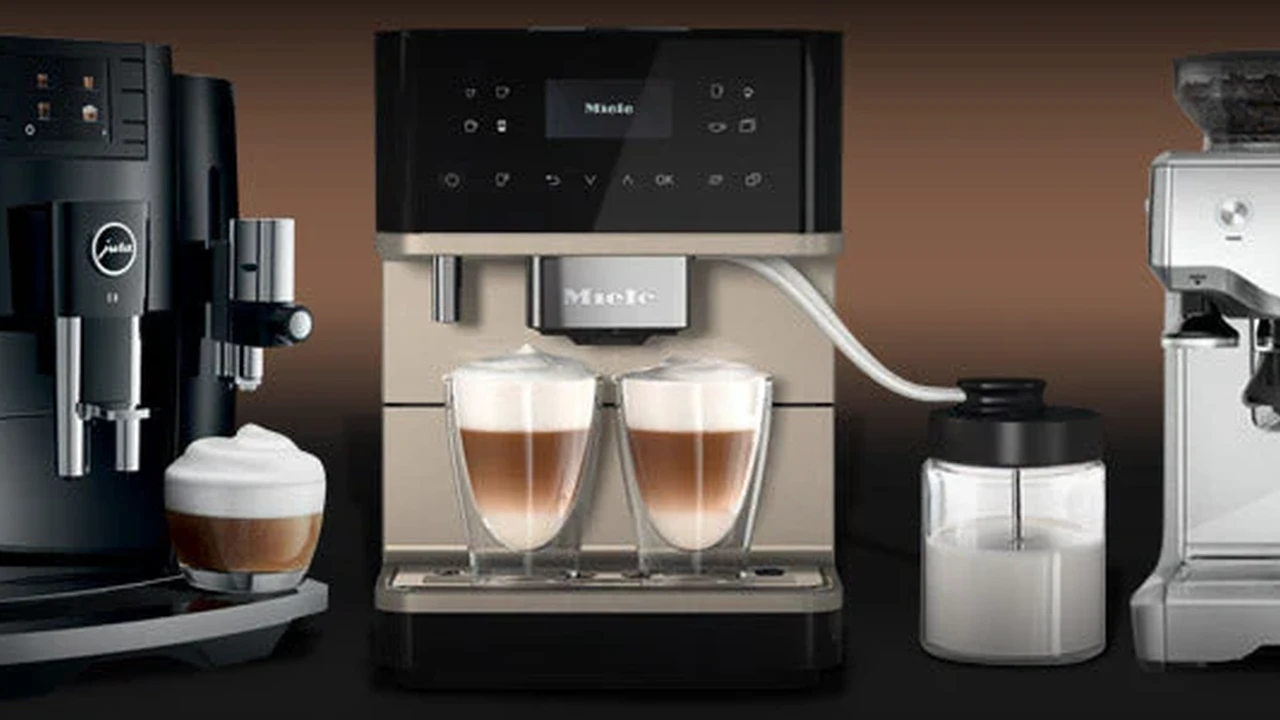
Discover the best espresso machines for new home baristas. Compare features, ease of use, and value for money to start your coffee journey.
Top 5 Espresso Machines for Beginners
Hey there, aspiring home barista! So, you've decided to dive into the wonderful world of espresso. That's awesome! Making your own lattes, cappuccinos, and straight-up espresso shots at home can be incredibly rewarding, not to mention a huge money-saver in the long run. But let's be real, walking into a coffee appliance store or browsing online can feel a bit overwhelming. There are so many machines out there, with all sorts of fancy names and features. Where do you even begin?
That's exactly why we're here. This guide is all about helping you, the beginner, find the perfect espresso machine to kickstart your home coffee journey. We're going to focus on machines that are user-friendly, offer great value, and can consistently pull a decent shot without requiring a Ph.D. in coffee science. We'll look at what makes a machine good for beginners, compare some top contenders, and even give you a heads-up on what to expect in terms of price and features. Let's get brewing!
Understanding Espresso Machine Basics What Beginners Need to Know
Before we jump into specific recommendations, let's quickly cover some fundamental concepts. Don't worry, we won't get too technical, just enough to help you make an informed decision.
Semi Automatic vs Automatic Espresso Machines Ease of Use for New Baristas
This is one of the first distinctions you'll encounter. Semi-automatic machines give you more control over the brewing process. You'll typically grind your beans, tamp the coffee, and then start and stop the water flow manually. This offers a great learning curve and allows for more customization as you get better. Many beginners start here because it's a good balance of control and convenience.
Automatic (or super-automatic) machines, on the other hand, do almost everything for you at the touch of a button. They often have built-in grinders, tamp the coffee, brew the shot, and some even froth the milk automatically. While incredibly convenient, they tend to be more expensive and offer less room for experimentation. For a true beginner who just wants a good cup with minimal fuss, they can be a good option, but they might limit your growth as a barista.
Pump Pressure and Temperature Stability Key Factors for Quality Espresso
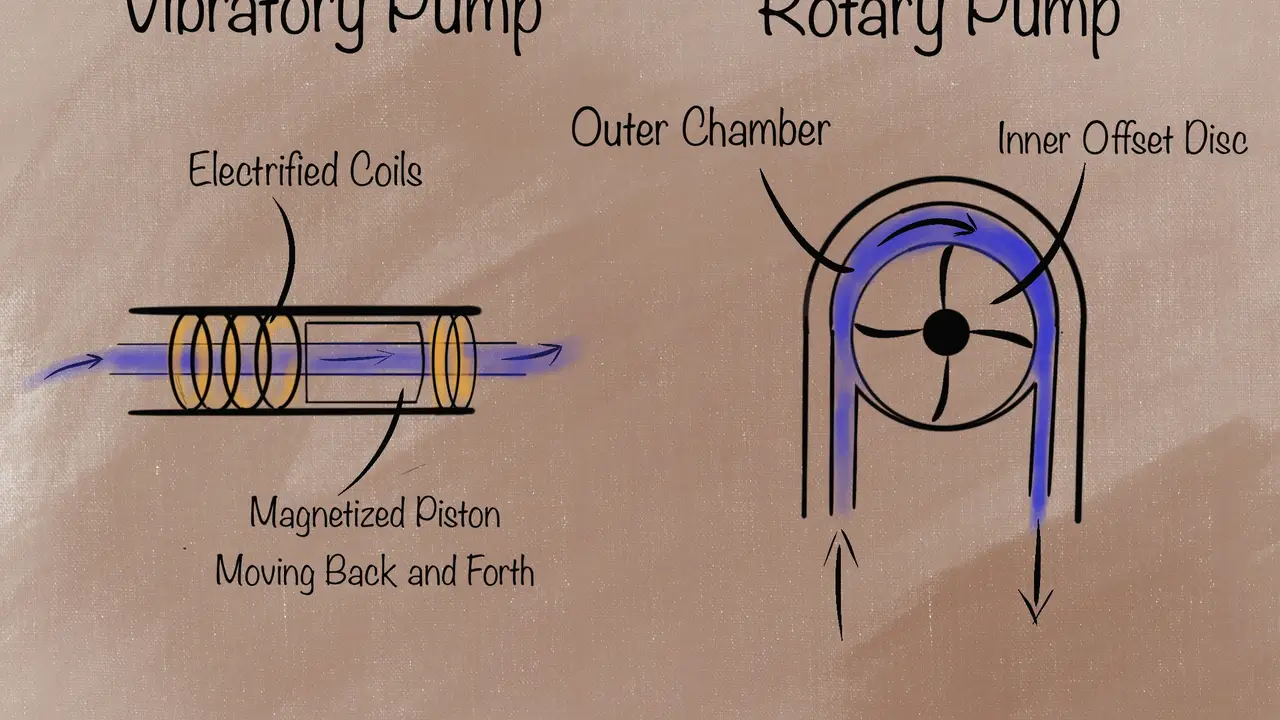
You'll often hear about 'bars' of pressure. Espresso machines typically operate at around 9 bars of pressure for optimal extraction. Most home machines will advertise 15 bars, which is the maximum pressure the pump can generate, but the actual brewing pressure is regulated. Don't get too hung up on this number; most reputable machines will deliver sufficient pressure. What's more important is temperature stability. Consistent water temperature is crucial for a good shot. Look for machines with good heating systems, like thermoblocks or boilers, that can maintain a steady temperature throughout the extraction.
Built in Grinders vs Separate Grinders Convenience and Grind Quality
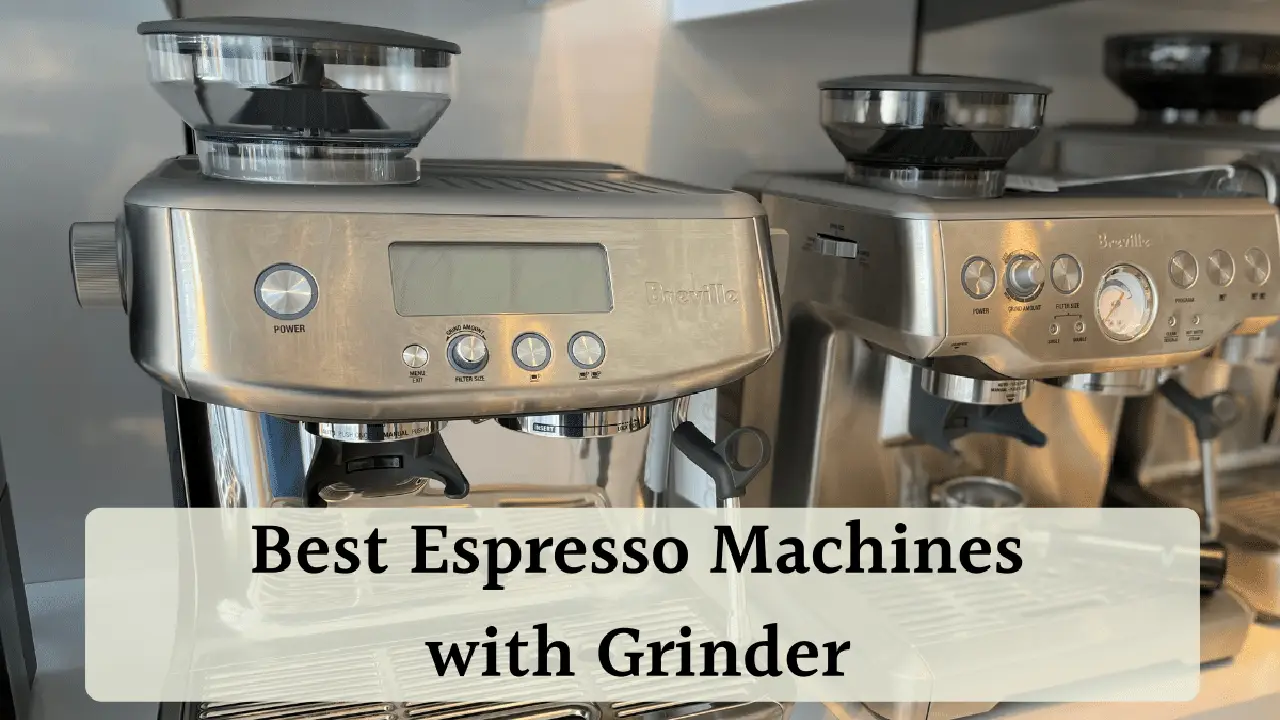
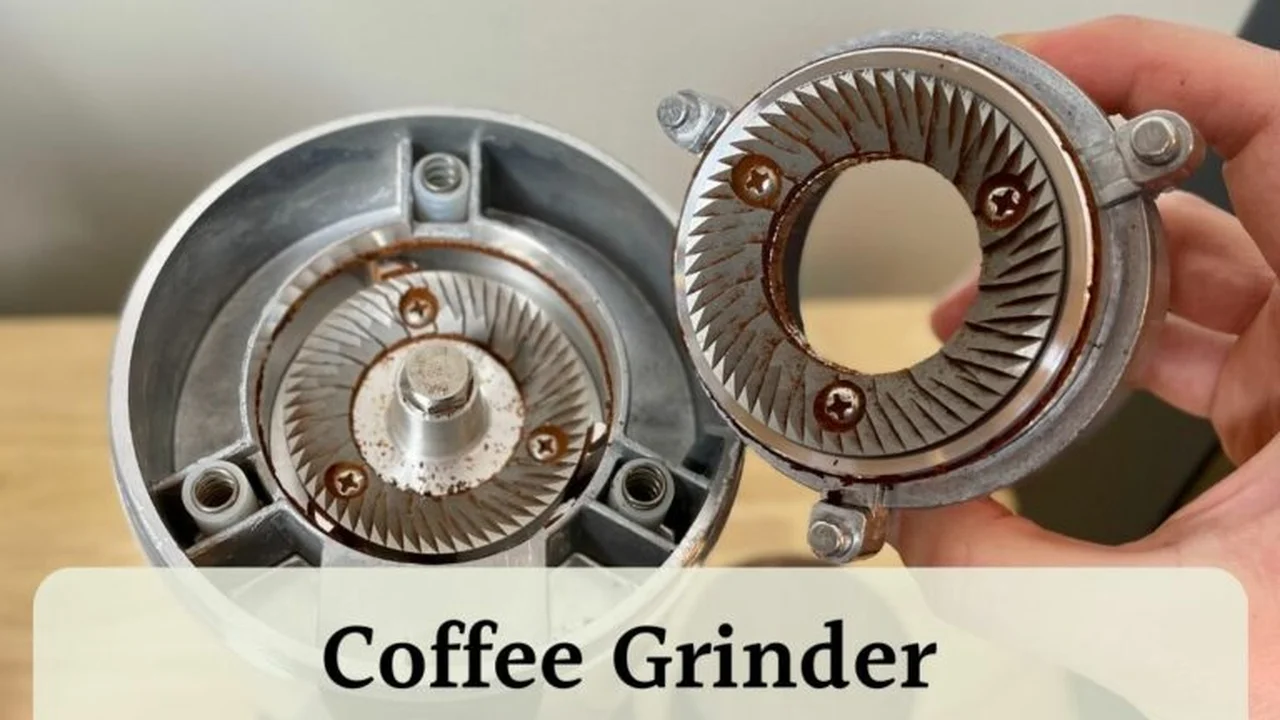
Some machines come with integrated grinders. This is super convenient as it saves counter space and simplifies the workflow. However, often the quality of built-in grinders isn't as good as a dedicated burr grinder. For espresso, a consistent and fine grind is absolutely essential. If you're serious about your coffee, investing in a separate, high-quality burr grinder (we'll cover those in another article!) is highly recommended. For beginners, a decent built-in grinder can be a good starting point, but be aware of its limitations.
Our Top 5 Espresso Machine Picks for Beginners Value and Performance
Alright, let's get to the good stuff! Here are our top recommendations for espresso machines that are perfect for those just starting out. We've considered ease of use, quality of espresso, features, and of course, price.
1. Breville Bambino Plus The Compact Powerhouse for New Baristas
The Breville Bambino Plus is an absolute superstar for beginners, and honestly, for many experienced baristas too. It's incredibly compact, so it won't take over your entire kitchen counter. But don't let its size fool you; this machine packs a punch.
- Key Features: It heats up in just 3 seconds thanks to its ThermoJet heating system, meaning less waiting for your morning coffee. It has automatic milk texturing, which is a game-changer for beginners struggling with steaming milk. You just put the milk jug under the wand, and it does the rest, producing silky microfoam perfect for latte art (once you get the hang of it!). It also has a 54mm portafilter, which is a good size for home use.
- Ease of Use: Super easy. The automatic milk frother is a huge plus. The simple button interface makes pulling shots straightforward.
- Ideal User: Someone who wants quick, consistent espresso and perfectly frothed milk without a steep learning curve. Great for small kitchens.
- Price Range: Typically around $400-$500 USD.
- Where to Buy: Available at major retailers like Amazon, Best Buy, and Breville's official website.
- Why We Love It: Its speed and automatic milk frothing make it incredibly forgiving for beginners. You can focus on getting your grind and tamp right, and the machine handles the rest of the brewing and milk steaming with impressive consistency.
2. DeLonghi Dedica Arte EC885M Stylish and Slim for Espresso Enthusiasts
If you're looking for something sleek, slim, and capable of producing great espresso, the DeLonghi Dedica Arte is a fantastic choice. It's a semi-automatic machine that gives you a bit more control than the Bambino Plus, making it great for those who want to learn the ropes of manual milk frothing.
- Key Features: It's incredibly narrow, fitting into tight spaces. It has a professional steam wand (My LatteArt system) that allows for manual milk frothing, giving you more control over texture. It also comes with a tamper and a milk jug, which is a nice bonus for beginners.
- Ease of Use: Relatively easy for a semi-automatic. The manual steam wand requires some practice, but it's a great way to learn.
- Ideal User: Someone with limited counter space who wants to learn manual milk frothing and has a bit more patience for the learning process.
- Price Range: Around $300-$400 USD.
- Where to Buy: Available on Amazon, Target, and other electronics retailers.
- Why We Love It: Its compact design is a huge selling point, and the manual steam wand is excellent for learning latte art. It's a solid entry-level machine that allows for growth.
3. Gaggia Classic Pro The Classic Choice for Serious Beginners
The Gaggia Classic Pro is a legendary machine in the home barista community, and for good reason. It's a workhorse, known for its durability and ability to produce excellent espresso. While it requires a bit more hands-on effort than the Bambino Plus, it's a fantastic machine for beginners who are serious about learning the craft.
- Key Features: Commercial-style 58mm chrome-plated brass portafilter and group head for excellent heat stability. Three-way solenoid valve for dry pucks and easy cleanup. Professional steam wand for powerful milk frothing.
- Ease of Use: It's a true semi-automatic, so you'll need to master grinding, tamping, and steaming. There's a learning curve, but the results are worth it.
- Ideal User: A beginner who is committed to learning the art of espresso making and wants a durable, upgradeable machine that can last for years.
- Price Range: Typically around $450-$550 USD.
- Where to Buy: Available at specialty coffee retailers, Amazon, and Gaggia's official distributors.
- Why We Love It: It's a robust machine that can grow with you. Many users modify and upgrade their Gaggia Classic Pros over time, making it a long-term investment. The quality of espresso it can produce is outstanding for its price point.
4. Philips 2200 Series Fully Automatic Espresso Machine Convenience for Busy Mornings
Okay, so we've mostly talked about semi-automatics, but if convenience is your absolute top priority and you want a true one-touch experience, a super-automatic like the Philips 2200 Series is worth considering. It's designed for minimal fuss and maximum ease.
- Key Features: Built-in ceramic burr grinder for fresh beans every time. AquaClean filter for less descaling. Classic milk frother (manual steam wand) for basic milk frothing. Intuitive touch display.
- Ease of Use: Extremely easy. Just add beans and water, press a button, and you get espresso. The manual steam wand is simple to use for basic milk frothing.
- Ideal User: Someone who values convenience above all else, wants fresh bean coffee with minimal effort, and isn't too concerned about deep diving into barista techniques. Great for busy households.
- Price Range: Around $500-$700 USD.
- Where to Buy: Available at major electronics stores, Amazon, and Philips' official website.
- Why We Love It: It takes all the guesswork out of espresso making. If you just want a consistent, decent cup of coffee with fresh beans every morning without any fuss, this is a solid choice.
5. Flair Neo Flex Manual Espresso Maker Portable and Budget Friendly
This one is a bit different, but hear us out! The Flair Neo Flex is a manual lever espresso maker. It requires more effort and doesn't have a built-in heating element or milk frother, but it can produce surprisingly high-quality espresso for a fraction of the cost of electric machines. It's perfect for the adventurous beginner who wants to understand the mechanics of espresso extraction and enjoys a hands-on approach.
- Key Features: Fully manual operation, allowing for precise control over pressure. Comes with two different portafilters (Flow-Control and Bottomless) for different skill levels. Portable and easy to store.
- Ease of Use: Requires pre-heating water separately and more manual effort. There's a learning curve, but it's very rewarding.
- Ideal User: A budget-conscious beginner who is curious about the mechanics of espresso, enjoys a hands-on process, and doesn't mind the extra steps. Great for travel or small spaces where an electric machine isn't feasible.
- Price Range: Around $100-$150 USD.
- Where to Buy: Available on Amazon and Flair Espresso's official website.
- Why We Love It: It's an incredibly affordable way to get into real espresso. It teaches you a lot about extraction and pressure, and the shots it produces can rival much more expensive machines if you master the technique. Plus, it's super portable!
Choosing Your First Espresso Machine Key Considerations for Beginners
Now that you've seen some of our top picks, let's talk about how to narrow down your choice based on your personal needs and preferences.
Budgeting for Your Espresso Setup Machine and Grinder Costs
Your budget is probably the biggest factor. Remember, the machine itself is only part of the equation. For semi-automatic machines, a good burr grinder is almost as important as the machine itself. If you buy a Gaggia Classic Pro for $500, you'll likely need to budget another $150-$300 for a decent espresso-capable grinder. If your budget is tighter, a machine with a built-in grinder (like the Philips 2200) or a more budget-friendly semi-automatic like the DeLonghi Dedica Arte might be a better fit initially. The Flair Neo Flex is a great option if you're on a very strict budget and don't mind the manual process.
Counter Space and Kitchen Aesthetics Finding the Right Fit
Espresso machines can take up a fair bit of counter space. Measure your available area before you buy. The DeLonghi Dedica Arte and Breville Bambino Plus are excellent choices for smaller kitchens due to their compact footprints. Super-automatic machines, while convenient, can sometimes be quite bulky. Consider how the machine will look in your kitchen too – after all, it's going to be a prominent appliance!
Your Coffee Habits How Much Effort Do You Want to Put In
Be honest with yourself about how much effort you're willing to put into your daily coffee routine. If you want a quick, no-fuss espresso before rushing out the door, a super-automatic might be your best friend. If you enjoy the ritual of coffee making, learning new skills, and don't mind a few extra steps, a semi-automatic like the Breville Bambino Plus or Gaggia Classic Pro will be more rewarding. The Flair Neo Flex is for those who truly embrace the manual process.
Milk Drinks vs Straight Espresso Steaming Capabilities
Do you primarily drink lattes and cappuccinos, or are you more of a straight espresso person? If milk drinks are your jam, pay close attention to the steam wand. The Breville Bambino Plus's automatic milk frother is fantastic for beginners. The Gaggia Classic Pro and DeLonghi Dedica Arte have excellent manual steam wands that, with practice, can produce beautiful microfoam for latte art. If you only drink black coffee, the steam wand might be less of a priority, but it's still a nice feature to have for guests or occasional indulgence.
Essential Accessories for Your Beginner Espresso Setup Beyond the Machine
Getting the machine is just the first step! To truly enjoy your home barista journey, you'll need a few key accessories. Don't worry, you don't need everything at once, but these will significantly improve your experience.
A Quality Burr Grinder The Foundation of Great Espresso
We can't stress this enough: a good grinder is paramount, especially for semi-automatic machines. Blade grinders are a no-go for espresso. You need a burr grinder that can produce a consistent, fine grind. For beginners, options like the Baratza Encore ESP or the Fellow Opus are excellent starting points, typically ranging from $150-$200 USD. If your machine has a built-in grinder, you might be able to delay this purchase, but keep it in mind for future upgrades.
Tamper and Distribution Tool Achieving Even Extraction
Most machines come with a plastic tamper, which is usually pretty flimsy. Investing in a solid, weighted metal tamper will make a huge difference in your tamping consistency. A distribution tool (like a WDT tool or a distribution puck) helps evenly distribute the coffee grounds in the portafilter, reducing channeling and leading to a more even extraction. These are relatively inexpensive but make a big impact.
Milk Pitcher and Thermometer For Perfect Milk Frothing
If you're making milk drinks, a stainless steel milk pitcher is essential. Get one that's appropriately sized for the amount of milk you typically froth. A small thermometer that clips onto the pitcher can help you hit the perfect milk temperature (around 140-150°F or 60-65°C) for optimal sweetness and texture.
Knock Box and Cleaning Supplies Keeping Your Setup Tidy
A knock box is a simple but invaluable accessory for easily disposing of your spent coffee pucks. For cleaning, you'll need a brush for the group head, descaling solution (check your machine's manual for recommendations), and backflushing detergent (if your machine supports it). Regular cleaning and maintenance are crucial for the longevity of your machine and the taste of your coffee.
Troubleshooting Common Beginner Espresso Problems Getting Started Right
Don't get discouraged if your first few shots aren't perfect. Espresso making has a learning curve, and everyone goes through it. Here are some common issues beginners face and how to tackle them.
Sour or Weak Espresso Adjusting Grind Size and Dose
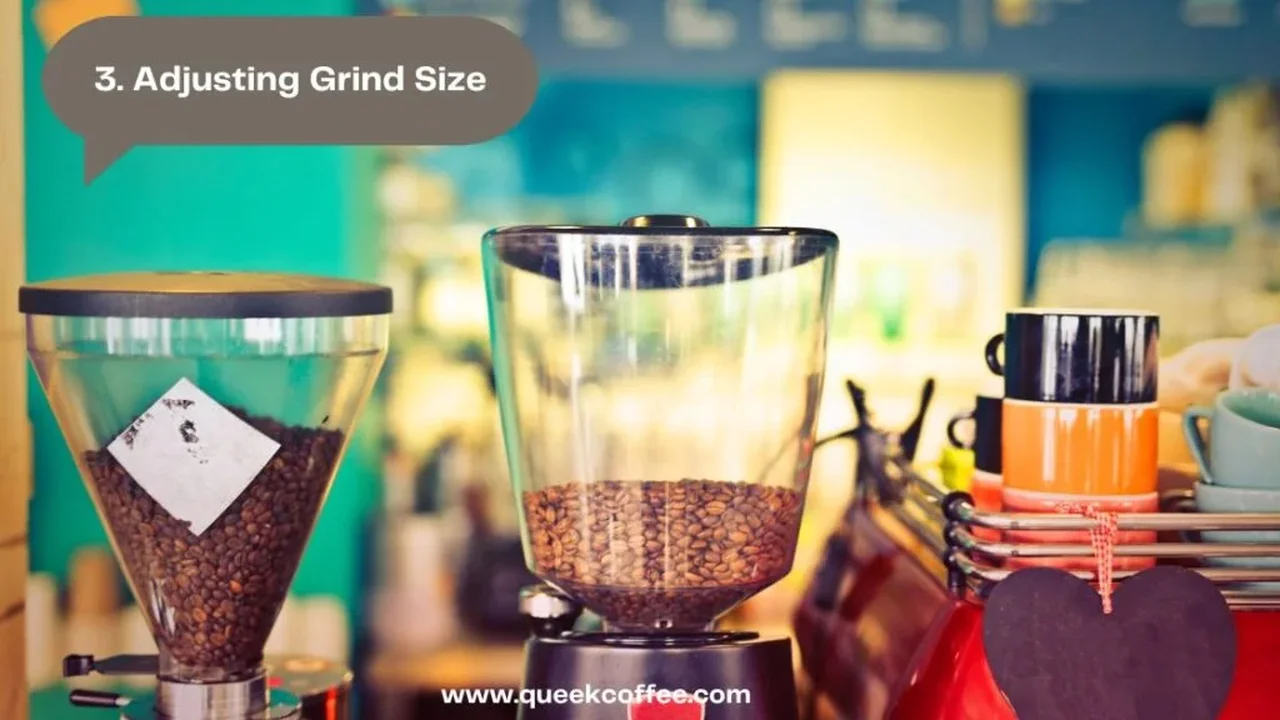
If your espresso tastes sour, watery, or extracts too quickly (like a gush), it's usually a sign that your grind is too coarse, or you're not using enough coffee. Try grinding finer, or increasing your dose slightly. The goal is to have the espresso flow like warm honey, taking around 25-30 seconds for a double shot (around 1.5-2 oz).
Bitter or Burnt Espresso Over Extraction and Temperature Issues
If your espresso tastes bitter, burnt, or extracts too slowly (like drips), your grind might be too fine, or you're using too much coffee. Try grinding coarser, or decreasing your dose. Over-extraction can also happen if your water temperature is too high, though this is less common with beginner-friendly machines that regulate temperature well.
Inconsistent Milk Frothing Practice Makes Perfect
Steaming milk takes practice! If your milk is too bubbly, too thin, or not hot enough, keep practicing. Listen for the 'tearing paper' sound when incorporating air, then submerge the wand to create a vortex for texturing. Aim for a silky, paint-like consistency with no visible bubbles. Watch some YouTube tutorials – they are incredibly helpful for visual learners.
Channeling Uneven Extraction and Puck Prep
Channeling happens when water finds an easy path through the coffee puck, leading to uneven extraction. This can be caused by uneven tamping, an inconsistent grind, or not distributing the coffee grounds properly. Focus on even distribution and a level tamp. A distribution tool can help immensely here.
Remember, the journey of a home barista is all about experimentation and learning. Don't be afraid to adjust your grind, dose, and technique. Keep notes on what works and what doesn't. Most importantly, have fun with it! The satisfaction of pulling a perfect shot or pouring beautiful latte art is truly unmatched. Welcome to the home barista club!
:max_bytes(150000):strip_icc()/277019-baked-pork-chops-with-cream-of-mushroom-soup-DDMFS-beauty-4x3-BG-7505-5762b731cf30447d9cbbbbbf387beafa.jpg)