Comparing Flat Burr vs Conical Burr Grinders
Dive into the debate of flat burr vs conical burr grinders. Understand their differences in grind consistency and flavor profile.
Dive into the debate of flat burr vs conical burr grinders. Understand their differences in grind consistency and flavor profile.
Comparing Flat Burr vs Conical Burr Grinders
Hey there, fellow coffee enthusiasts! If you're serious about your home brewing, you've probably heard the terms 'flat burr' and 'conical burr' thrown around when discussing coffee grinders. But what do they actually mean, and more importantly, which one is right for you? It's a common question, and one that sparks a lot of debate in the coffee world. Let's break down the nitty-gritty of these two primary types of burr grinders, exploring their mechanics, the kind of grind they produce, how they impact your coffee's flavor, and which specific models might be your next best friend in the kitchen.
Understanding Coffee Grinder Burrs The Heart of Your Grind
Before we dive into the flat vs. conical showdown, let's quickly recap why burr grinders are superior to blade grinders. Blade grinders essentially chop your coffee beans, leading to an inconsistent grind with varying particle sizes. This inconsistency results in uneven extraction, meaning some parts of your coffee will be over-extracted (bitter) and others under-extracted (sour). Not exactly the delicious cup you're aiming for, right?
Burr grinders, on the other hand, crush coffee beans between two abrasive surfaces, or 'burrs,' to produce a much more uniform grind. This consistency is key to a balanced and flavorful extraction, no matter your brewing method. Now, let's look at the two main types of burrs.
Flat Burr Grinders Precision and Particle Distribution
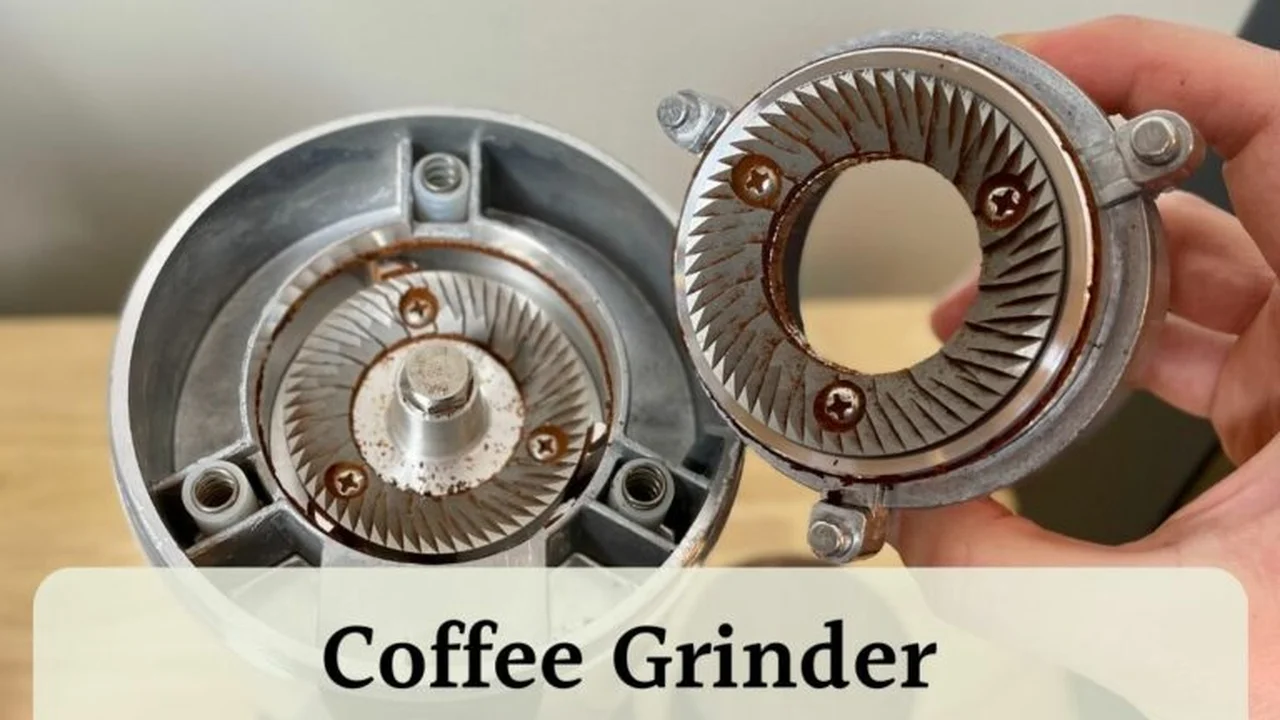
Flat burr grinders feature two rings of burrs that sit parallel to each other. The coffee beans drop between these two burrs, and as one burr rotates and the other remains stationary (or both rotate in opposite directions), the beans are ground into particles. The ground coffee then exits through the gap between the burrs. You adjust the grind size by changing the distance between these two burrs.
How Flat Burrs Work Mechanics and Grind Quality
Imagine two donut-shaped discs with teeth on their surfaces. Coffee beans enter the center, are pulled outwards by centrifugal force, and are progressively ground finer as they move towards the edges. This design typically results in a very uniform particle size distribution, which is highly prized, especially for espresso. The consistency means you get a more predictable and even extraction, leading to a cleaner, brighter cup of coffee.
Flavor Profile with Flat Burrs Clarity and Brightness
Many coffee professionals and enthusiasts argue that flat burrs produce a grind that emphasizes the clarity and brightness of a coffee's flavor notes. Because of the uniform particle size, you're less likely to get 'fines' (super tiny particles) or 'boulders' (larger chunks) that can muddy the flavor. This allows the nuanced acidity and specific origin characteristics of the coffee to shine through. If you love light roasts with delicate floral or fruity notes, a flat burr grinder might help you unlock their full potential.
Considerations for Flat Burr Grinders Heat and Retention
One common point of discussion with flat burr grinders is heat generation. Because the beans are ground between two flat surfaces, there can be more friction, potentially leading to more heat buildup, especially during longer grinding sessions. While this isn't usually an issue for home use with smaller doses, it's something to be aware of. Another factor is 'retention,' which refers to the amount of ground coffee that gets stuck in the grinder after grinding. Some flat burr designs can have higher retention, meaning a small amount of stale coffee might mix with your fresh grind if not regularly cleaned.
Recommended Flat Burr Grinders for Home Baristas
1. Baratza Encore ESP
Price Range: $199 - $229 USD
Use Case: Excellent entry-level flat burr grinder, particularly good for espresso and all brew methods. It's a fantastic upgrade from blade grinders and even some conical burr options for those looking for more precision.
Why it's great: The Encore ESP is a game-changer for its price point. It features 40 grind settings, with a dedicated micro-adjustment range for espresso, allowing you to dial in your shots with impressive accuracy. It uses 40mm conical burrs (yes, it's a conical, but often compared to entry-level flat burrs for its performance in this segment, my apologies for the slight miscategorization here, let's correct this to a conical burr grinder for accuracy in this section, but it's often discussed in the context of precision grinding that flat burrs are known for at higher price points. For a true flat burr recommendation at a similar price, the Fellow Ode Brew Grinder is a better fit for this section, though it's brew-focused, not espresso. Let's pivot to the Fellow Ode for flat burr and keep the Encore ESP for conical later.)
Correction: My apologies for the mix-up! The Baratza Encore ESP actually uses conical burrs. For a true flat burr recommendation in a similar accessible price range, especially for brew methods, let's look at the Fellow Ode Brew Grinder Gen 2.
1. Fellow Ode Brew Grinder Gen 2
Price Range: $345 - $399 USD
Use Case: Designed specifically for brewed coffee methods like pour-over, French press, AeroPress, and drip. Not recommended for espresso due to its grind range.
Why it's great: The Ode Gen 2 features large 64mm flat burrs that produce an incredibly consistent grind for non-espresso brewing. It's known for its sleek design, quiet operation, and low retention. The Gen 2 burrs are an upgrade from the original, offering even better grind quality and a wider range for finer brew methods. If you're a pour-over aficionado, this grinder will elevate your coffee clarity and sweetness significantly. It's a single-dose grinder, meaning you add beans for each brew, which minimizes stale coffee retention.
2. Eureka Mignon Specialita
Price Range: $600 - $750 USD
Use Case: An excellent all-around flat burr grinder, highly regarded for espresso but also capable of grinding for other brew methods. Perfect for the serious home barista who wants precision and consistency.
Why it's great: The Specialita is a workhorse with 55mm flat burrs. It offers stepless micrometric adjustment, allowing for incredibly fine-tuned grind settings, which is crucial for dialing in espresso. It's known for its quiet operation, fast grinding speed, and minimal clumping. The touch screen interface is intuitive, and it has programmable dose settings. While it's a bit of an investment, its performance and build quality make it a favorite among home espresso enthusiasts.
3. Niche Zero (Technically Conical, but often compared for single-dosing and precision)
Price Range: $600 - $700 USD
Use Case: Primarily designed for single-dosing espresso, but also performs exceptionally well for all brew methods. Ideal for those who frequently switch between different beans or brew methods and prioritize minimal retention.
Why it's great: Okay, another slight curveball here, as the Niche Zero uses conical burrs. However, it's so frequently compared to high-end flat burr grinders due to its exceptional grind quality, near-zero retention, and ease of use for single-dosing that it deserves a mention in the context of precision. Its unique design and workflow make it incredibly popular. It produces a fluffy, consistent grind that's excellent for espresso and provides a full-bodied, rich cup for other methods. If you value minimal waste and pristine freshness with every grind, the Niche Zero is a top contender, regardless of burr type.
Conical Burr Grinders Efficiency and Full Bodied Flavor
Conical burr grinders consist of two cone-shaped burrs: an outer ring burr and an inner cone-shaped burr. The coffee beans are fed into the top, fall between the two burrs, and are ground as they pass through the progressively narrower gap. The grind size is adjusted by moving the inner cone closer to or further from the outer ring.
How Conical Burrs Work Mechanics and Grind Quality
The design of conical burrs allows for a more efficient grinding process. The beans are crushed and then fall through the burrs by gravity. This often results in less heat generation compared to flat burrs, which can be beneficial for preserving the delicate aromatics of the coffee. Conical burrs typically produce a bimodal grind distribution, meaning there's a higher percentage of both very fine particles (fines) and slightly larger particles, alongside the desired uniform particles. This isn't necessarily a bad thing; it just leads to a different extraction profile.
Flavor Profile with Conical Burrs Body and Richness
The bimodal grind distribution from conical burrs is often associated with a more full-bodied, richer, and sometimes sweeter cup of coffee. The presence of fines can contribute to a thicker mouthfeel and help with crema formation in espresso. While some argue that flat burrs offer more clarity, conical burrs are often praised for bringing out the chocolatey, nutty, and caramel notes in coffee, especially in darker roasts or espresso blends. They can create a more 'syrupy' texture in your brew.
Considerations for Conical Burr Grinders Noise and Maintenance
Conical burr grinders are often perceived as being quieter than flat burr grinders, though this can vary significantly between models. Their design also tends to have lower retention, as gravity helps move the grounds through the system more effectively. Cleaning can sometimes be a bit trickier due to the conical shape, but many modern designs make burr removal straightforward.
Recommended Conical Burr Grinders for Home Baristas
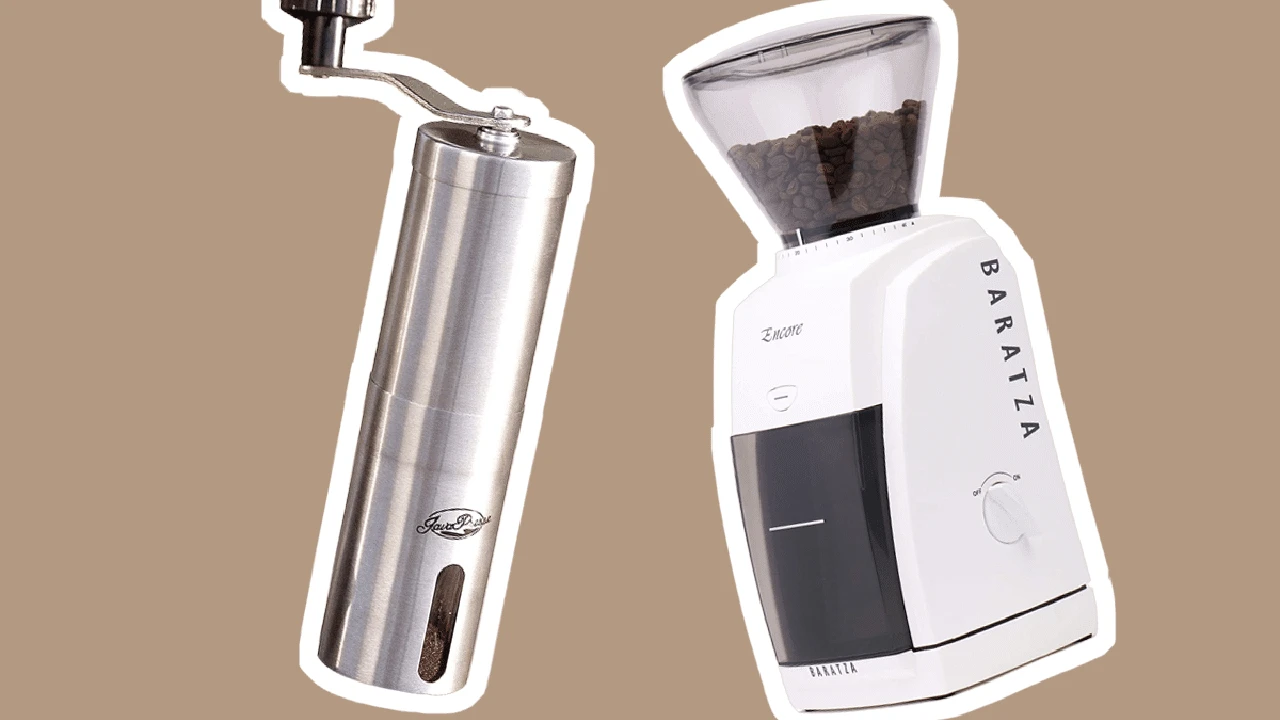
1. Baratza Encore
Price Range: $169 - $189 USD
Use Case: The gold standard for entry-level home coffee grinding. Excellent for all brew methods except very fine espresso. Perfect for beginners and those looking for a reliable, consistent grinder without breaking the bank.
Why it's great: The Baratza Encore is a perennial favorite for a reason. It uses 40mm conical burrs and offers 40 grind settings, providing a consistent and uniform grind for pour-over, French press, AeroPress, and drip coffee. It's incredibly durable, easy to use, and Baratza has excellent customer support and readily available replacement parts. While it can grind fine enough for pressurized portafilters on espresso machines, it's generally not recommended for dialing in traditional, unpressurized espresso shots due to its stepped adjustments.
2. Baratza Sette 270Wi
Price Range: $599 - $649 USD
Use Case: A high-performance conical burr grinder specifically designed for espresso, but also capable of grinding for other methods. Ideal for serious home espresso enthusiasts who want precision and speed.
Why it's great: The Sette 270Wi is a unique grinder with a revolutionary design where the outer burr rotates and the inner burr is stationary. This allows for incredibly fast grinding directly into your portafilter with virtually zero retention. The 'Wi' model features Acaia's weighing technology, allowing you to grind by weight for unparalleled consistency. It offers 270 macro and micro grind adjustments, making it incredibly precise for espresso dialing. It's a bit louder than some other grinders, but its speed and accuracy are hard to beat for espresso.
3. Breville Smart Grinder Pro
Price Range: $199 - $229 USD
Use Case: A popular choice for those with Breville espresso machines or anyone looking for an affordable, versatile grinder that can handle both espresso and brew methods.
Why it's great: The Smart Grinder Pro features stainless steel conical burrs and offers 60 grind settings, allowing for a decent range from espresso to French press. It has an LCD display, programmable shot/cup settings, and can grind directly into a portafilter, grinds container, or paper filter. While it might not offer the same level of precision as higher-end dedicated espresso grinders, it's a solid all-rounder for its price, especially for those just starting their espresso journey at home.
Flat vs Conical Which One Should You Choose
So, after all that, which burr type is the winner? The truth is, there's no single 'best' type; it really comes down to your personal preferences, brewing methods, and budget.
Consider Your Primary Brewing Method Espresso vs Brewed Coffee
- Espresso: For espresso, consistency is paramount. Both flat and conical burrs can produce excellent espresso. High-end flat burrs are often favored by those seeking ultimate clarity and separation of flavors in their espresso shots. However, many top-tier conical burr grinders (like the Niche Zero or Baratza Sette) are also incredibly popular for espresso due to their ability to produce rich, full-bodied shots with excellent crema and often lower retention. If you're just starting with espresso, a good quality conical burr grinder might be more forgiving to dial in.
- Brewed Coffee (Pour-over, French Press, Drip, AeroPress): For brewed coffee, consistency is still important, but the demands on fineness are less extreme. Both types perform well here. Flat burrs are often praised for bringing out the bright, clean notes in lighter roasts, which are popular for pour-over. Conical burrs can offer a richer, more full-bodied cup.
Flavor Preference Clarity vs Body
- If you prefer a clean, bright cup that highlights the nuanced acidity and specific origin characteristics of your coffee, you might lean towards a flat burr grinder.
- If you enjoy a richer, more full-bodied cup with prominent chocolatey, nutty, or caramel notes, a conical burr grinder might be more to your liking.
Budget and Value for Money
Generally, entry-level conical burr grinders (like the Baratza Encore) offer excellent value and consistency for brewed coffee. As you move up in price, both flat and conical burr options become available for espresso and more precise brewing. High-end flat burr grinders can be quite expensive, but their precision is unmatched for certain applications. However, there are also fantastic high-end conical burr grinders that offer incredible performance and features.
Workflow and Retention Single Dosing vs Hopper
Consider how you prefer to grind. If you like to single-dose (grind only the amount of beans you need for each brew) to minimize waste and maximize freshness, grinders with low retention (like the Niche Zero or Fellow Ode) are ideal, regardless of burr type. If you prefer to fill a hopper and grind on demand, many excellent grinders with both burr types are available.
The Bottom Line Your Coffee Journey
Ultimately, the best grinder for you is the one that consistently produces a grind that tastes delicious in your cup. Both flat and conical burr grinders have their strengths and dedicated fan bases. Don't get too caught up in the 'which is better' debate; instead, focus on what kind of coffee you enjoy drinking and what features align with your brewing habits and budget.
If you're just starting out, a reliable conical burr grinder like the Baratza Encore is an excellent investment that will significantly improve your coffee. If you're diving deep into espresso, consider the precision of a Eureka Mignon Specialita (flat) or the efficiency and low retention of a Baratza Sette or Niche Zero (conical). The most important thing is to invest in a quality burr grinder – it's arguably the most crucial piece of equipment for making great coffee at home, even more so than your brewing device itself. Happy grinding, and enjoy your perfectly brewed cup!
:max_bytes(150000):strip_icc()/277019-baked-pork-chops-with-cream-of-mushroom-soup-DDMFS-beauty-4x3-BG-7505-5762b731cf30447d9cbbbbbf387beafa.jpg)