Setting Up Your Dream Home Coffee Bar
Create the ultimate home coffee bar setup. Get tips on equipment, organization, and aesthetics for your personal cafe space.
Create the ultimate home coffee bar setup. Get tips on equipment, organization, and aesthetics for your personal cafe space.
Setting Up Your Dream Home Coffee Bar Your Ultimate Guide
Hey coffee lovers! Ever dreamt of having your very own cafe right in your kitchen? A dedicated space where you can craft your perfect brew, experiment with new techniques, and impress your friends with your barista skills? Well, you're in the right place! Setting up a home coffee bar isn't just about throwing a machine on the counter; it's about creating an experience, a sanctuary for your daily caffeine ritual. This guide will walk you through everything you need to know, from essential equipment to smart organization and stylish aesthetics. Let's dive in and build that dream coffee corner!
Choosing Your Coffee Bar Location Finding the Perfect Spot
First things first, where's this magical coffee haven going to live? The location is key for both functionality and flow. Think about convenience and accessibility. Do you want it near the sink for easy water access and cleanup? Or perhaps close to your dining area for serving guests? Consider these common spots:
- Kitchen Countertop: This is the most popular choice. It's usually close to water and power outlets. Make sure you have enough counter space to accommodate your machines and accessories without feeling cramped.
- Dedicated Coffee Cart or Bar Cabinet: If counter space is limited, a rolling cart or a small cabinet can be a fantastic solution. This allows you to move your setup if needed and keeps everything contained. Look for carts with shelves and drawers for extra storage.
- Pantry Nook: Got a spare pantry shelf or a small closet? You can transform it into a hidden coffee bar. This is great for keeping things tidy and out of sight when not in use, but remember to ensure proper ventilation if you're using heat-generating appliances.
- Living Room or Dining Room Corner: For the true coffee enthusiast who wants their passion on display, a stylish corner in a living or dining room can work. Just ensure you have access to power and consider how you'll manage water refills and waste.
No matter where you choose, ensure there's a power outlet nearby. You don't want a tangle of extension cords ruining your aesthetic or posing a safety hazard.
Essential Coffee Bar Equipment Must Have Gear
Now for the fun part: the gear! The specific items you need will depend on your preferred brewing methods and budget. Here's a breakdown of the essentials and some nice-to-haves:
The Heart of Your Bar Espresso Machines and Coffee Makers
This is likely your biggest investment and the centerpiece of your coffee bar. Here are some popular options:
Espresso Machines
- Beginner-Friendly Automatic/Super-Automatic: These machines do most of the work for you, from grinding beans to frothing milk. Great for convenience and consistency.
- DeLonghi Dinamica Plus: A fantastic super-automatic option. It grinds beans fresh, has a touch screen for easy selection of over 16 recipes, and an automatic LatteCrema system for perfect milk foam. Price: Around $1,200 - $1,500. Use Case: Busy mornings, entertaining guests, anyone who wants cafe-quality drinks with minimal effort.
- Philips 3200 Series LatteGo: Another excellent super-automatic with a simple milk system that's incredibly easy to clean. Offers 5 coffee varieties. Price: Around $700 - $900. Use Case: Great for families, those who prioritize easy maintenance and variety.
- Semi-Automatic: These give you more control over the brewing process, allowing you to fine-tune your shots. You'll need a separate grinder.
- Breville Barista Express Impress: This machine is a game-changer for semi-automatic beginners. It has an integrated conical burr grinder and an intelligent dosing system that guides you to the perfect dose and tamp. Price: Around $800 - $900. Use Case: Aspiring baristas who want control but appreciate smart assistance, small spaces.
- Gaggia Classic Pro: A classic for a reason. Durable, reliable, and capable of producing excellent espresso with practice. It's a workhorse. Price: Around $450 - $550. Use Case: Enthusiasts who love to tinker and learn, those on a tighter budget but want quality.
Drip Coffee Makers
- Technivorm Moccamaster KBGV Select: If you love a great cup of filter coffee, this is the gold standard. Hand-built, brews quickly, and maintains optimal brewing temperature. Price: Around $300 - $350. Use Case: Daily large batches of coffee, entertaining, pour-over quality without the effort.
- Cuisinart DCC-3200P1 Perfectemp: A reliable and affordable option for consistent drip coffee. Programmable features are a plus. Price: Around $80 - $100. Use Case: Budget-conscious, daily large batches, simple operation.
Other Brewing Methods
- AeroPress: Incredibly versatile for espresso-like shots, Americano, or cold brew. Compact and great for travel. Price: Around $30 - $40. Use Case: Travel, small spaces, experimentation, strong coffee.
- Chemex: For clean, bright, and aromatic pour-over coffee. Requires a separate kettle and grinder. Price: Around $40 - $60 (for the brewer). Use Case: Manual brewing enthusiasts, those who appreciate nuanced flavors.
- French Press: For a rich, full-bodied brew. Simple to use and clean. Price: Around $20 - $50. Use Case: Bold coffee lovers, easy brewing, no paper filters needed.
Grinders The Unsung Hero of Flavor
A good grinder is arguably more important than your coffee machine for taste. Freshly ground beans make all the difference.
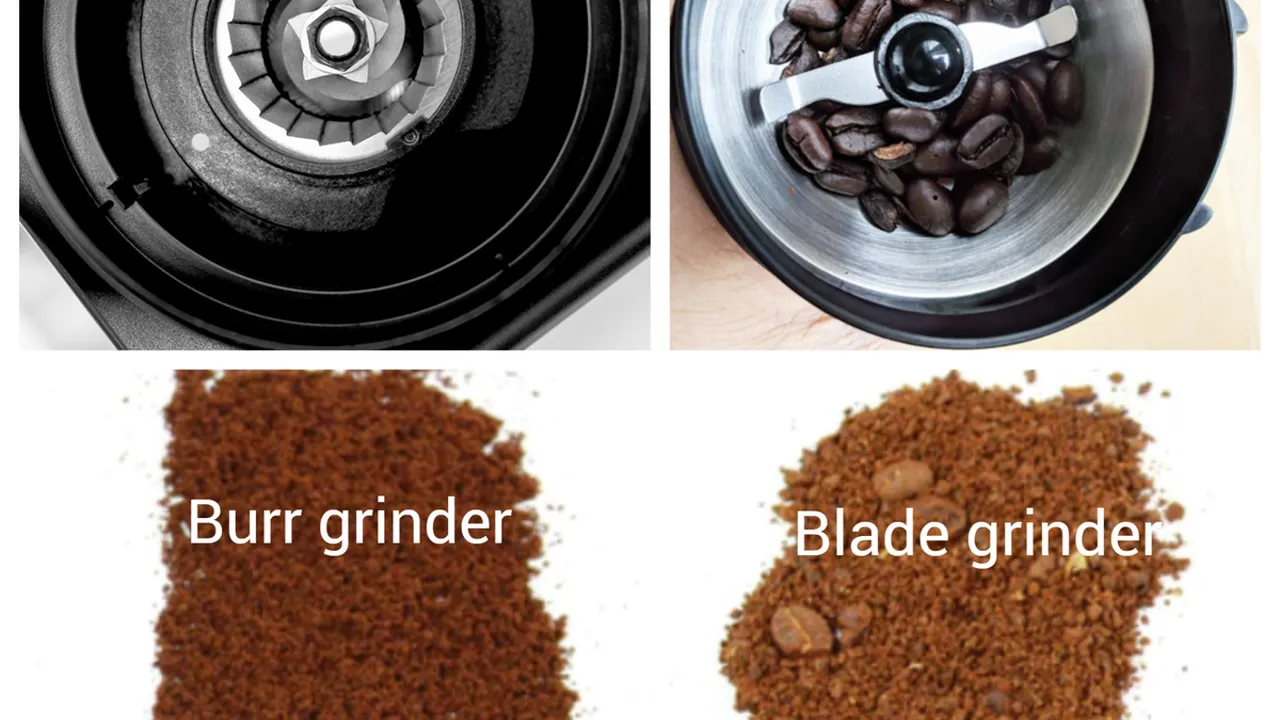
- Burr Grinders (Conical or Flat): These are essential for consistent grind size, which is crucial for proper extraction.
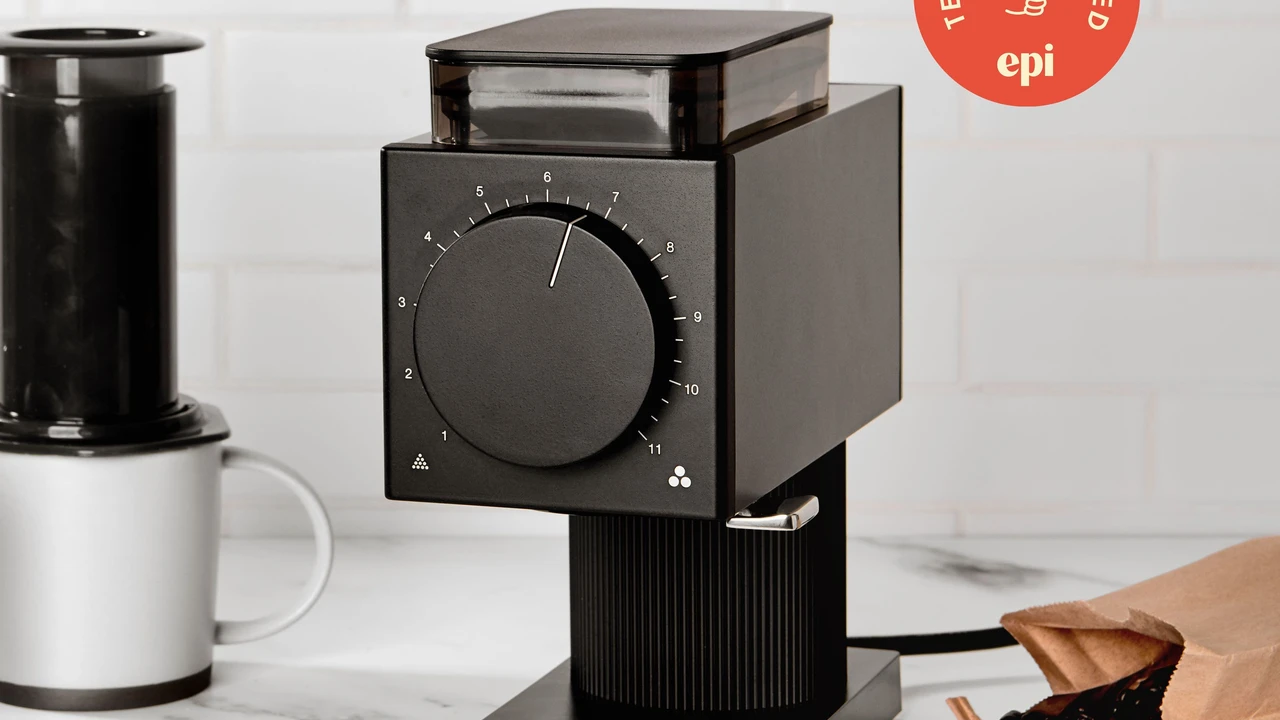
- Baratza Encore ESP: An excellent entry-level electric burr grinder that's versatile enough for espresso and filter coffee. Price: Around $200. Use Case: All-around home brewing, great value.
- Niche Zero: A popular single-dose grinder known for its exceptional grind quality and minimal retention. Price: Around $600 - $700. Use Case: Espresso enthusiasts, those who switch beans frequently, minimal waste.
- Manual Grinders: Great for portability and a quiet grind.
- Comandante C40 MK4: A premium manual grinder known for its precision and durability. Price: Around $250 - $300. Use Case: Pour-over and manual brewing enthusiasts, travel, quiet grinding.
Water Matters Kettle and Filtration
Water makes up over 98% of your coffee, so its quality is paramount.
- Gooseneck Kettle: Essential for pour-over methods for precise water flow. Electric variable temperature kettles are best.
- Fellow Stagg EKG Electric Kettle: Stylish and precise, with temperature control and a hold feature. Price: Around $160 - $190. Use Case: Pour-over, tea, precise temperature control.
- Water Filter Pitcher or System: Brita or a dedicated water filter for your tap can significantly improve taste and protect your machine from scale buildup. Price: Varies, from $30 for a pitcher to hundreds for under-sink systems. Use Case: Improving water quality, machine longevity.
Measuring and Weighing Precision is Key
- Coffee Scale with Timer: For consistent brewing, weighing your beans and water is crucial. A built-in timer helps with extraction times.
- Hario V60 Drip Scale: A popular and reliable option. Price: Around $50 - $60. Use Case: All brewing methods, precise measurements.
- Acaia Pearl Model S: A premium smart scale with advanced features and app connectivity. Price: Around $250 - $300. Use Case: Serious enthusiasts, data tracking, advanced brewing.
- Measuring Spoons/Scoops: For quick, less precise measurements.
Milk Frothing and Steaming
- Milk Pitcher: Stainless steel pitchers are best for steaming milk for lattes and cappuccinos.
- Milk Frother (if your machine doesn't have one):
- Aeroccino 4 Milk Frother: Nespresso's frother is simple to use and creates excellent hot or cold foam. Price: Around $100. Use Case: Non-espresso machine owners, quick milk drinks.
Cleaning and Maintenance Keep it Pristine
- Knock Box: For easily disposing of espresso pucks.
- Microfiber Cloths: For wiping down surfaces and steam wands.
- Cleaning Brushes and Tablets: Specific to your machine type (e.g., espresso machine cleaning tablets, grinder brushes).
- Descaling Solution: Essential for regular machine maintenance.
Organizing Your Coffee Bar Smart Storage Solutions
A well-organized coffee bar makes your brewing experience smoother and more enjoyable. Clutter is the enemy of calm!
Storage for Beans and Grounds
- Airtight Canisters: Store whole beans in opaque, airtight containers away from light, heat, and moisture. This preserves freshness.
- Coffee Bean Dispensers: If you have a large collection, clear dispensers can be visually appealing and practical.
Accessory Management
- Drawer Organizers: Keep small items like stirrers, sugar packets, and cleaning brushes tidy.
- Tiered Shelving or Risers: Maximize vertical space for mugs, cups, and smaller accessories.
- Hooks: Hang mugs, measuring spoons, or even small cleaning cloths.
- Basket or Tray: Use a decorative basket or tray to corral frequently used items like sugar, stirrers, and napkins.
Cup and Mug Display
- Mug Rack: A classic way to display your favorite mugs and keep them easily accessible.
- Open Shelving: If your coffee bar is part of your kitchen, open shelves can beautifully showcase your collection.
- Stackable Cups: For smaller spaces, stackable espresso cups or demitasse sets are practical.
Aesthetics and Decor Making it Your Own
This is where your personality shines! Your coffee bar should be a reflection of your style and bring you joy.
Lighting and Ambiance
- Under-Cabinet Lighting: Adds a warm glow and makes it easier to see what you're doing.
- Small Table Lamp: A decorative lamp can create a cozy cafe atmosphere.
- Fairy Lights: For a whimsical touch, string some battery-operated fairy lights around your setup.
Color Scheme and Materials
- Match Your Kitchen: If your coffee bar is in the kitchen, try to match its existing color scheme and materials for a cohesive look.
- Contrast for a Statement: Alternatively, use contrasting colors or materials to make your coffee bar a focal point.
- Natural Elements: Wood, stone, and ceramic can add warmth and an organic feel.
Personal Touches and Decor
- Artwork: A small framed print or a coffee-themed piece of art can elevate the space.
- Plants: A small potted plant (like a snake plant or a succulent) adds life and freshness.
- Coffee-Themed Signs: Fun and quirky signs can add character.
- Decorative Jars: Use attractive jars for sugar, sweeteners, or even different types of coffee beans.
- Coasters: Protect your surfaces and add a decorative element.
- Small Tray: A stylish tray can define the space and hold a few key items, making it look neat.
Maintenance and Workflow Keeping Your Bar Running Smoothly
A beautiful coffee bar is also a functional one. Regular maintenance and a good workflow will ensure you enjoy your setup for years to come.
Daily Rituals
- Wipe Down Surfaces: After each use, quickly wipe down your machine and surrounding surfaces to prevent coffee stains and spills from drying.
- Empty Knock Box: Don't let old coffee grounds sit and mold.
- Rinse Milk Pitcher/Wand: Crucial for hygiene and preventing milk buildup.
Weekly and Monthly Tasks
- Deep Clean Grinder: Use a grinder brush or specialized cleaning tablets to remove old coffee oils.
- Backflush Espresso Machine: If you have a semi-automatic, backflushing with a cleaning tablet is essential.
- Clean Drip Tray and Water Reservoir: Prevent mold and mineral buildup.
- Check Water Filter: Replace as needed.
Periodic Maintenance
- Descaling: Follow your machine's instructions for descaling, typically every 1-3 months depending on your water hardness and usage. This prevents mineral buildup and extends machine life.
- Replace Gaskets/Seals: Over time, parts like group head gaskets might need replacing.
Optimizing Your Workflow
- Logical Layout: Arrange your equipment in a logical sequence. For example, grinder next to the espresso machine, then milk frother, then cups.
- Everything in its Place: Designate a spot for every item so you can easily find and put things away.
- Prep Ahead: If you're making drip coffee, measure out your beans the night before.
Budgeting for Your Home Coffee Bar Smart Spending
Setting up a coffee bar can range from very affordable to a significant investment. Here's how to approach your budget:
Tiered Budgeting
- Entry-Level (Under $300): Focus on a good manual grinder (like a Hario Skerton Pro), an AeroPress or French Press, and a basic electric kettle. You can still make fantastic coffee!
- Mid-Range ($300 - $1000): This budget opens up options for quality semi-automatic espresso machines (like the Gaggia Classic Pro) or high-end drip brewers (Moccamaster), paired with a solid electric burr grinder (Baratza Encore ESP).
- High-End ($1000+): Here you can explore super-automatic machines, premium semi-automatics with integrated grinders (Breville Barista Express Impress), or even dual-boiler espresso machines, along with top-tier grinders (Niche Zero) and accessories.
Where to Splurge and Where to Save
- Splurge on the Grinder: Seriously, it makes the biggest difference in taste.
- Invest in Your Main Brewer: Whether it's an espresso machine or a drip maker, get the best you can afford for your primary brewing method.
- Save on Accessories Initially: You don't need the fanciest knock box or milk pitcher right away. You can upgrade these over time.
- Look for Sales and Refurbished Models: Many reputable retailers offer sales, and sometimes manufacturers sell refurbished machines with warranties at a discount.
Building your dream home coffee bar is a journey, not a destination. Start with the essentials, learn what you love, and gradually add to your setup. It's about creating a space that inspires you to explore the wonderful world of coffee, one delicious cup at a time. Enjoy the process, experiment with new beans and techniques, and most importantly, savor every sip from your very own personal cafe!
:max_bytes(150000):strip_icc()/277019-baked-pork-chops-with-cream-of-mushroom-soup-DDMFS-beauty-4x3-BG-7505-5762b731cf30447d9cbbbbbf387beafa.jpg)