The Science Behind Coffee Extraction
Delve into the chemistry of coffee extraction. Understand how water, grind size, and time influence your brew's flavor.

Delve into the chemistry of coffee extraction. Understand how water, grind size, and time influence your brew's flavor.
The Science Behind Coffee Extraction
Understanding Coffee Extraction Fundamentals
Coffee extraction is the process of dissolving desirable flavors, aromas, and compounds from roasted and ground coffee beans into water. It's a delicate balance, and getting it right is what separates a mediocre cup from an extraordinary one. When you brew coffee, you're essentially performing a chemical extraction. Water acts as a solvent, pulling out soluble solids from the coffee grounds. These soluble solids include acids, sugars, lipids, and various aromatic compounds that contribute to coffee's complex flavor profile.
The goal is to achieve optimal extraction, meaning you've dissolved enough of the good stuff without pulling out too much of the bad. Under-extraction results in a sour, weak, and underdeveloped taste, often described as 'grassy' or 'acidic.' This happens when not enough soluble compounds are dissolved. On the other hand, over-extraction leads to a bitter, hollow, and astringent flavor, often tasting 'burnt' or 'dry.' This occurs when too many undesirable compounds, like bitter chlorogenic acids, are pulled out.
Several key variables influence the extraction process, and mastering them is crucial for consistent, delicious coffee. These include water temperature, grind size, brew time, coffee-to-water ratio, and water quality. Each plays a significant role in how efficiently and effectively compounds are extracted from the coffee grounds.
Water Temperature The Crucial Heat Factor
Water temperature is arguably one of the most critical variables in coffee extraction. Think of it like cooking: too low a temperature, and your food won't cook properly; too high, and it might burn. The Specialty Coffee Association (SCA) recommends a brewing temperature between 195°F and 205°F (90°C to 96°C). This range is considered ideal because it allows for efficient dissolution of desirable compounds without extracting too many bitter ones.
If the water is too cold, it won't have enough energy to dissolve the coffee solids effectively. This leads to under-extraction, resulting in a sour, thin, and underdeveloped cup. The flavors will be muted, and the coffee might taste flat. Conversely, if the water is too hot, it can rapidly extract undesirable bitter compounds and burn the delicate aromatics, leading to an over-extracted, harsh, and astringent taste. It can also scorch the coffee grounds, imparting a burnt flavor.
Maintaining a stable temperature throughout the brew cycle is also important. Many basic coffee makers heat water to an initial temperature but then let it drop significantly during brewing. This inconsistency can lead to uneven extraction. High-quality brewing equipment, such as precision kettles or advanced drip machines, are designed to maintain a consistent temperature.
Recommended Products for Temperature Control
- Fellow Stagg EKG Electric Pour-Over Kettle: This kettle offers precise temperature control from 104°F to 212°F (40°C to 100°C), with a hold feature for up to 60 minutes. It's perfect for pour-over, AeroPress, or French press, ensuring your water is always at the optimal temperature. Price: Around $160-$190.
- Bonavita Connoisseur 8-Cup One-Touch Coffee Maker: This SCA-certified brewer is designed to heat water to the ideal brewing temperature (195°-205°F) and maintain it throughout the brewing cycle. It also features a pre-infusion mode. Price: Around $150-$180.
- Cuisinart CPK-17 PerfecTemp Cordless Electric Kettle: A more budget-friendly option, this kettle offers six preset temperatures, including one for black coffee (200°F). While not as precise as the Fellow, it's a significant upgrade from basic kettles. Price: Around $80-$100.
Grind Size The Surface Area Equation
Grind size directly impacts the surface area of the coffee grounds exposed to water. This, in turn, dictates the rate of extraction. Think of it like dissolving sugar: a sugar cube dissolves much slower than granulated sugar because the latter has more surface area exposed to the solvent.
A finer grind means more surface area, leading to faster extraction. This is why espresso, which has a very short contact time with water (around 25-30 seconds), requires an extremely fine grind. If the grind is too fine for a given brew method, it can lead to over-extraction, resulting in bitterness and astringency. It can also impede water flow, leading to a 'choked' brew.
Conversely, a coarser grind means less surface area, leading to slower extraction. Methods like French press, which have a longer immersion time (4-5 minutes), require a coarse grind. If the grind is too coarse, it can lead to under-extraction, resulting in a sour, weak, and watery cup. The flavors won't have enough time to develop.
The ideal grind size is specific to your brewing method:
- Extra Fine (Powder-like): Turkish coffee
- Fine (Sugar-like): Espresso
- Medium-Fine (Table salt-like): AeroPress (shorter brew time), Pour-over (some methods)
- Medium (Sand-like): Drip coffee makers, AeroPress (longer brew time), Siphon
- Medium-Coarse (Rough sand-like): Chemex, Clever Dripper
- Coarse (Sea salt-like): French Press, Cold Brew
Recommended Grinders for Grind Consistency
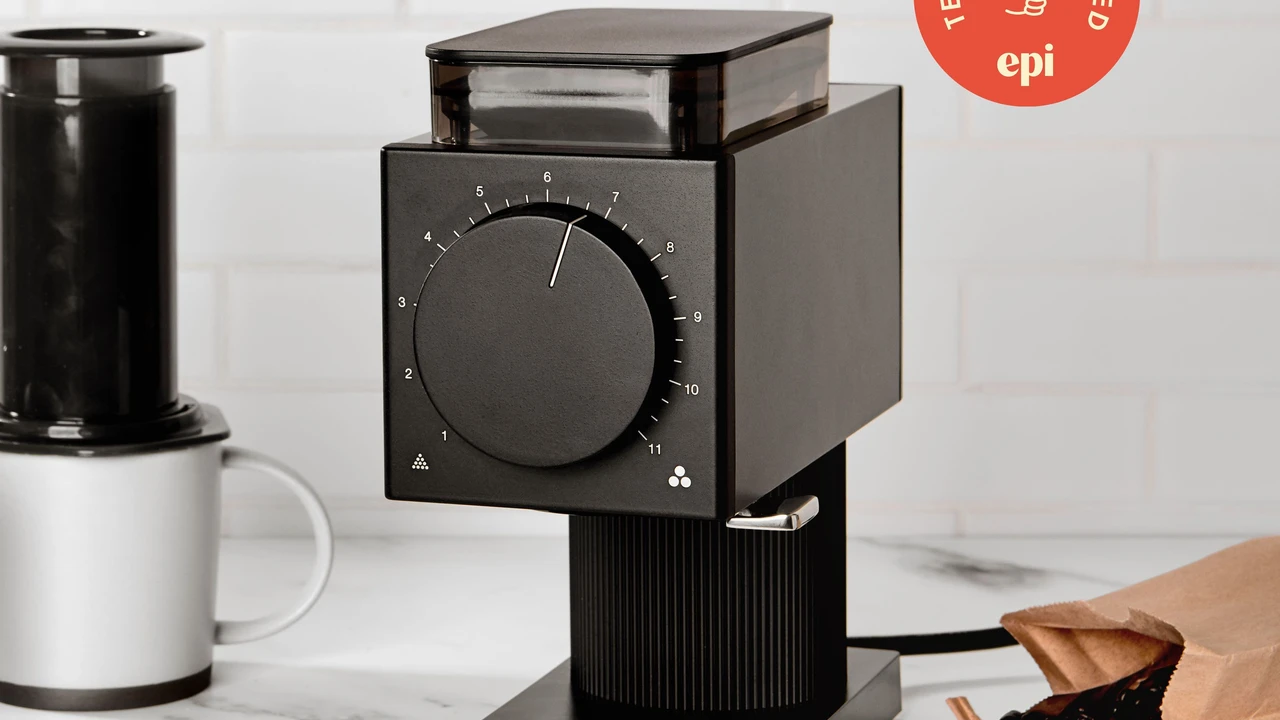
A good grinder is perhaps the most impactful investment for a home barista. Blade grinders are a no-go; they chop beans unevenly, leading to inconsistent extraction. You need a burr grinder.
- Baratza Encore Conical Burr Coffee Grinder: Often recommended as the best entry-level burr grinder. It offers 40 grind settings, making it versatile for various brew methods from French press to espresso (though it struggles with very fine espresso grinds). It's durable and easy to clean. Price: Around $170-$200.
- Niche Zero Single Dose Coffee Grinder: A premium option, highly regarded for its exceptional grind quality and minimal retention. It's a single-dose grinder, meaning you only grind the amount of beans you need, ensuring maximum freshness. Excellent for espresso and pour-over. Price: Around $600-$700.
- Comandante C40 MK4 Nitro Blade Hand Grinder: For those who prefer manual grinding, the Comandante is a top-tier choice. It offers incredibly consistent grinds, especially for pour-over and AeroPress, and is built to last. Price: Around $250-$300.
Brew Time The Contact Duration
Brew time refers to the duration for which the water is in contact with the coffee grounds. Along with grind size, it's a primary determinant of extraction level. Generally, a longer brew time allows for more compounds to be dissolved, while a shorter time results in less extraction.
Each brewing method has an optimal brew time range:
- Espresso: 25-30 seconds (for a single shot)
- Pour-over: 2:30 - 4:00 minutes
- AeroPress: 1:00 - 2:00 minutes (depending on immersion vs. inverted method)
- French Press: 4:00 - 5:00 minutes
- Drip Coffee: 5:00 - 8:00 minutes
- Cold Brew: 12-24 hours
If your brew time is too short for the chosen grind size and method, you'll likely end up with under-extracted coffee. If it's too long, over-extraction will occur. For methods like pour-over, controlling the flow rate of water is crucial for managing brew time. For immersion methods like French press, simply setting a timer is key.
Tools for Precise Timing
- Hario V60 Drip Scale: This scale combines a timer and a precise weight measurement, essential for pour-over and other manual methods. It allows you to accurately measure coffee grounds and water, while also timing your extraction. Price: Around $50-$70.
- Acaia Pearl Model S Coffee Scale: A premium smart scale with advanced features like flow rate indicators and brewing guides. It's highly accurate and responsive, perfect for serious home baristas. Price: Around $250-$300.
- Any Kitchen Timer or Smartphone App: For basic timing, a simple kitchen timer or a timer app on your smartphone will suffice. The key is to be consistent. Price: Free to $20.
Coffee to Water Ratio The Strength Factor
The coffee-to-water ratio, often referred to as the 'brew ratio,' determines the strength of your final cup. It's expressed as a ratio of grams of coffee to grams (or milliliters) of water. The SCA recommends a ratio of 1:18 (1 gram of coffee to 18 grams of water) for most brewing methods, but this can vary based on personal preference and the specific coffee bean.
A higher ratio (e.g., 1:15) means more coffee per water, resulting in a stronger brew. A lower ratio (e.g., 1:20) means less coffee per water, resulting in a weaker brew. While ratio primarily affects strength, it also indirectly influences extraction. If your ratio is too low (too little coffee), you might over-extract the limited grounds trying to achieve desired strength, leading to bitterness. If it's too high (too much coffee), you might under-extract, resulting in a weak but potentially sour cup.
Using a scale to measure both coffee and water is highly recommended for consistency. Volume measurements (like scoops) are notoriously inaccurate due to variations in bean density and grind size.
Why a Scale is Non-Negotiable
As mentioned above, scales like the Hario V60 Drip Scale or Acaia Pearl are excellent for precise ratio control. Even a basic kitchen scale that measures in grams will significantly improve your consistency compared to using scoops.
Water Quality The Unsung Hero
Often overlooked, water quality plays a significant role in coffee extraction and the final taste of your brew. Coffee is 98% water, so it makes sense that the water itself should be of high quality. Tap water can contain chlorine, minerals, and other impurities that can negatively impact flavor and even damage your brewing equipment.
Ideal brewing water should be clean, fresh, odorless, and free of chlorine. It should also have a balanced mineral content. Minerals like calcium and magnesium contribute to extraction by helping to dissolve coffee solids. However, too many minerals (hard water) can lead to scale buildup in your machine and mute coffee flavors. Too few minerals (soft water or distilled water) can result in flat, under-extracted coffee because there aren't enough ions to facilitate proper extraction.
The SCA recommends water with a total dissolved solids (TDS) level of 75-250 mg/L, with a target of 150 mg/L. The pH should be neutral, around 7.0.
Solutions for Better Water
- Brita or Pur Water Filter Pitcher: A simple and affordable way to remove chlorine and some impurities from tap water. While it won't perfectly balance mineral content, it's a good starting point. Price: Around $25-$40.
- Third Wave Water Mineral Packets: These packets contain precisely measured minerals that you add to distilled or reverse osmosis water. They are designed to create water with the ideal mineral composition for coffee brewing. Price: Around $15-$20 for a 12-pack.
- BWT Bestmax Premium Water Filter System: For serious home baristas or those with very hard water, an inline water filter system can be installed. These systems provide excellent filtration and mineral balancing, protecting your equipment and enhancing flavor. Price: Around $100-$200 (plus installation).
The Interplay of Variables and Troubleshooting Your Brew
It's important to understand that these variables don't act in isolation; they interact with each other. For example, if your grind is slightly too coarse, you might compensate with a slightly longer brew time or hotter water to achieve optimal extraction. However, it's generally best to dial in each variable as precisely as possible.
When your coffee doesn't taste right, use a systematic approach to troubleshoot:
- If your coffee is sour, weak, or tastes like 'lemon' or 'grass': It's likely under-extracted. Try one or more of these adjustments:
- Make your grind finer.
- Increase brew time.
- Increase water temperature (if it's too low).
- Increase your coffee-to-water ratio (use more coffee).
- If your coffee is bitter, astringent, or tastes 'burnt' or 'dry': It's likely over-extracted. Try one or more of these adjustments:
- Make your grind coarser.
- Decrease brew time.
- Decrease water temperature (if it's too high).
- Decrease your coffee-to-water ratio (use less coffee).
Always change only one variable at a time, then taste and evaluate. This allows you to pinpoint the exact cause of the issue and learn how each adjustment affects the final cup. Keep a brewing log to track your parameters and results; this will help you replicate great brews and diagnose problems more efficiently.
Beyond the Basics Advanced Extraction Concepts
For those looking to dive deeper, there are more nuanced aspects of coffee extraction:
Pre-infusion and Bloom
Many brewing methods, especially pour-over and espresso, benefit from a 'bloom' or 'pre-infusion' phase. This involves saturating the coffee grounds with a small amount of hot water (typically 2-3 times the weight of the coffee) for 30-45 seconds before the main brew. This allows the coffee to degas (release trapped CO2), which can otherwise create channels in the coffee bed and lead to uneven extraction. A good bloom ensures more even saturation and better flavor development.
Turbulence and Agitation
Agitation, or turbulence, during brewing can also affect extraction. In pour-over, the way you pour water creates turbulence. In French press, stirring the slurry can increase agitation. More agitation generally leads to faster extraction. However, too much can lead to over-extraction or the creation of fines that clog filters. Finding the right level of agitation for your method is part of the art.
Channeling
Channeling occurs when water finds preferential paths through the coffee bed, leading to uneven extraction. Some parts of the coffee bed will be over-extracted, while others are under-extracted. This is a common issue in espresso, often caused by uneven tamping or grind distribution. In pour-over, it can happen if the pour is too fast or uneven. Proper technique and equipment can minimize channeling.
Dissolved Solids and Refractometers
For the ultimate precision, some home baristas and professionals use a refractometer to measure the Total Dissolved Solids (TDS) in their brewed coffee. This allows them to calculate the 'extraction yield' – the percentage of the coffee's mass that has been dissolved into the water. The SCA recommends an ideal extraction yield of 18-22%. While a refractometer is a significant investment (often $200-$500+), it provides objective data to fine-tune your brewing process.
Embracing the Journey of Coffee Science
Understanding the science behind coffee extraction transforms brewing from a simple morning ritual into a fascinating exploration of chemistry and flavor. By meticulously controlling variables like water temperature, grind size, brew time, coffee-to-water ratio, and water quality, you gain the power to consistently craft exceptional coffee. It's a journey of continuous learning and refinement, where every cup offers an opportunity to experiment, taste, and discover new dimensions of flavor. So, grab your scale, dial in your grinder, and enjoy the delicious results of your scientific endeavors!
:max_bytes(150000):strip_icc()/277019-baked-pork-chops-with-cream-of-mushroom-soup-DDMFS-beauty-4x3-BG-7505-5762b731cf30447d9cbbbbbf387beafa.jpg)