Coffee Grinder Maintenance Tips for Longevity
Learn essential cleaning and maintenance tips for your coffee grinder. Keep it performing optimally and extend its lifespan.
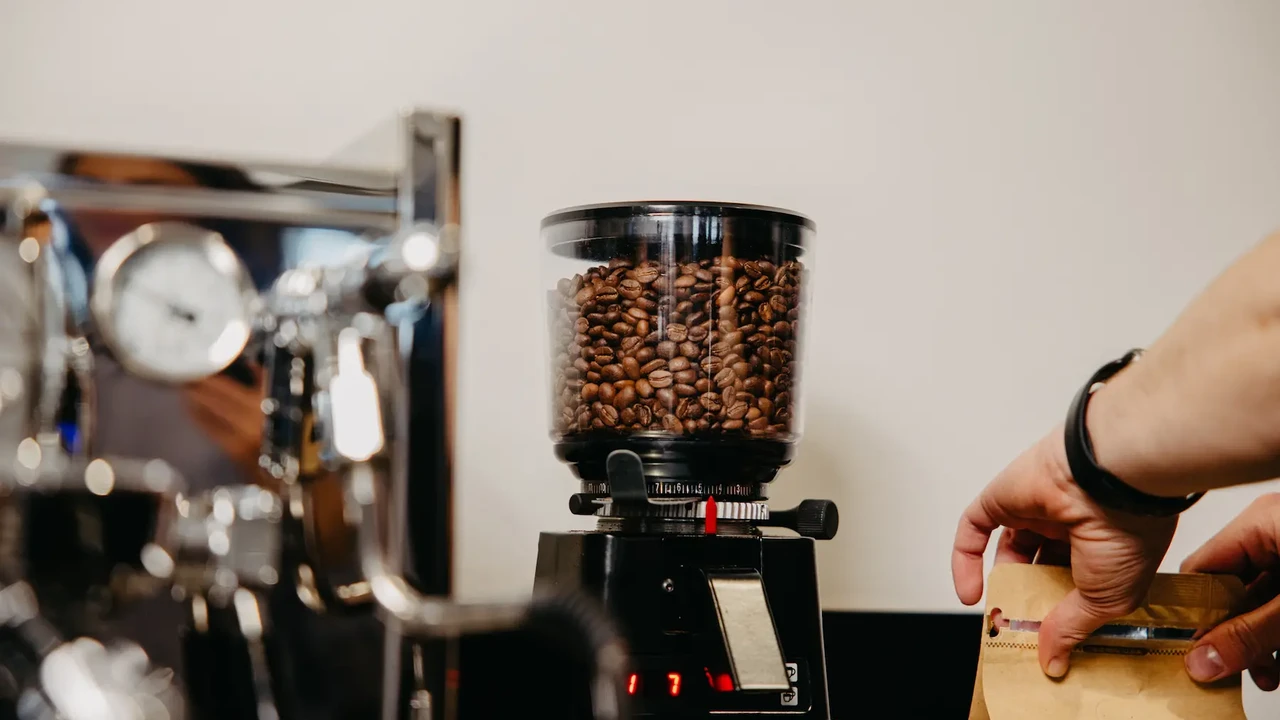
Learn essential cleaning and maintenance tips for your coffee grinder. Keep it performing optimally and extend its lifespan.
Coffee Grinder Maintenance Tips for Longevity
Hey there, fellow coffee lovers! We all know that a great cup of coffee starts with freshly ground beans. But what many of us overlook is the crucial role our coffee grinder plays in that equation. A well-maintained grinder isn't just about extending its life; it's about ensuring every single brew tastes as fantastic as the last. Think about it: stale coffee oils, tiny bean fragments, and even mineral buildup can seriously mess with your grind consistency and, by extension, your coffee's flavor. So, let's dive deep into how to keep your grinder in tip-top shape, ensuring you get the most out of your beans and your machine for years to come.
Why Regular Coffee Grinder Cleaning is Crucial for Flavor and Performance
You might be thinking, "It's just grinding beans, how dirty can it get?" Well, quite dirty, actually! Coffee beans, especially darker roasts, contain oils that can become rancid over time. These oils, along with fine coffee dust, accumulate on your burrs and in the grinding chamber. This buildup can lead to several problems:
- Stale Flavors: Old, rancid oils transfer their unpleasant taste to your fresh grounds, making your coffee taste bitter or off.
- Inconsistent Grinds: Buildup can interfere with the burrs' ability to grind evenly, leading to a mix of fine and coarse particles. This unevenness results in over or under-extraction, ruining your brew.
- Reduced Grinder Efficiency: Your grinder has to work harder to process beans through clogged burrs, potentially leading to motor strain and premature wear.
- Clogging: Excessive buildup can cause your grinder to jam, especially with finer grind settings.
Regular cleaning prevents these issues, ensuring your grinder operates efficiently and consistently delivers the perfect grind for your brewing method.
Daily Coffee Grinder Care Quick Habits for Freshness
You don't need to deep clean your grinder every day, but a few quick habits can make a huge difference in maintaining freshness and preventing major buildup:
- Empty the Hopper: If you're not going to use your grinder for a day or two, it's a good idea to empty any remaining beans from the hopper. This prevents oils from the beans from settling and becoming stale.
- Brush Off Excess Grounds: After each use, give the grinding chamber and chute a quick brush with a stiff-bristled brush (many grinders come with one). This removes loose grounds and prevents them from accumulating.
- Wipe Down the Exterior: A quick wipe with a damp cloth keeps the outside of your grinder looking good and prevents dust and spills from hardening.
Weekly Coffee Grinder Cleaning Deeper Dive for Optimal Performance
Once a week, or more frequently if you grind a lot of coffee or dark roasts, it's time for a slightly more thorough cleaning. This usually involves removing the burrs and giving them a good brush.
Step-by-Step Guide to Weekly Grinder Cleaning
- Unplug Your Grinder: Safety first! Always unplug your grinder before you start disassembling or cleaning it.
- Remove the Hopper and Upper Burr: Most home grinders have a removable hopper and an upper burr that twists or lifts out. Consult your grinder's manual for specific instructions.
- Brush Away Loose Grounds: Use a stiff brush (like the one that came with your grinder, or a dedicated coffee grinder brush) to brush away all visible loose grounds from the upper burr, lower burr, and the grinding chamber. Pay special attention to the grooves and crevices of the burrs.
- Clean the Chute: The chute where the ground coffee exits can get clogged. Use your brush or a pipe cleaner to clear any blockages.
- Wipe Down Components: Use a dry cloth to wipe down the burrs and other removable parts. Avoid using water or soap on the burrs themselves, as this can cause rust or damage.
- Reassemble: Once everything is clean and dry, carefully reassemble your grinder, ensuring all parts are securely in place.
Monthly Coffee Grinder Deep Clean Tackling Stubborn Buildup
Every month or so, depending on your usage, you'll want to perform a more comprehensive deep clean. This often involves using specialized grinder cleaning tablets or a rice-based method.
Using Grinder Cleaning Tablets for Thorough Cleaning
Grinder cleaning tablets, like those from Urnex Grindz or Cafetto Grinder Clean, are specifically designed to absorb coffee oils and dislodge old grounds without leaving any residue. They're super easy to use:
- Ensure Grinder is Empty: Make sure your grinder's hopper is empty of coffee beans.
- Add Tablets: Follow the instructions on the cleaning tablet packaging, but typically you'll add a small amount (e.g., one capful or a few tablets) to the empty hopper.
- Grind the Tablets: Run your grinder on a medium-coarse setting as if you were grinding coffee. The tablets will break down and absorb oils and dislodge old grounds.
- Discard First Grind: The first few grams of ground material will be a mix of tablet residue and old coffee. Discard this.
- Grind a Small Amount of Coffee: To flush out any remaining tablet residue, grind a small amount of fresh, inexpensive coffee beans (about 30-50g) and discard them.
Recommended Products:
- Urnex Grindz Grinder Cleaner: A widely popular and effective choice. A 430g bottle typically costs around $15-$20 USD and will last for many cleanings.
- Cafetto Grinder Clean: Another excellent option, often available in smaller, more convenient sachets. A box of 3-5 sachets might be around $10-$15 USD.
Usage Scenario: Ideal for all types of burr grinders (conical and flat) to remove stubborn oil buildup and fine particles that brushing alone can't reach. Use monthly or bi-monthly for best results.
The Rice Method A DIY Alternative for Grinder Cleaning
While cleaning tablets are highly recommended, some people opt for the rice method as a DIY alternative. However, it comes with a significant caveat.
How to do it: Grind a small amount of uncooked, plain white rice (about 1/4 cup) through your grinder on a medium-coarse setting. The hard grains are supposed to dislodge old coffee particles.
Comparison and Caution:
- Pros: Cheap, readily available.
- Cons: This is where the caution comes in. Many grinder manufacturers and coffee experts advise against using rice. Rice is harder than coffee beans and can potentially put undue strain on your grinder's motor, especially if it's a lower-end model. It can also leave behind starchy residue, which isn't ideal. While some people swear by it, it's generally safer to stick to dedicated grinder cleaning tablets, especially for expensive grinders.
Usage Scenario: Only consider this if you absolutely cannot get cleaning tablets and have a robust, high-quality grinder. Use with extreme caution and at your own risk.
Troubleshooting Common Grinder Issues and Maintenance Tips
Even with regular cleaning, you might encounter some common grinder issues. Here's how to tackle them:
Grinder Not Grinding or Jamming
- Check for Blockages: The most common culprit is a blockage in the chute or between the burrs. Unplug the grinder, remove the hopper and upper burr, and carefully clear any visible obstructions with a brush or a small, non-metallic tool.
- Too Fine a Setting: If you're trying to grind very fine for espresso, some grinders can struggle, especially with oily beans. Try a slightly coarser setting.
- Overfilling the Hopper: Don't overfill the hopper, as this can put too much pressure on the burrs.
Inconsistent Grind Size
- Clean the Burrs: Buildup on the burrs is a primary cause of inconsistent grinding. Perform a thorough cleaning as described above.
- Check for Worn Burrs: Over time, burrs can become dull, leading to inconsistent grinding. If your grinder is several years old and heavily used, it might be time to replace the burrs. Check your grinder's manual or manufacturer's website for replacement parts.
- Grinder Stability: Ensure your grinder is on a stable, flat surface. Vibrations can affect grind consistency.
Grinder Making Unusual Noises
- Foreign Objects: Unplug immediately! Check for any foreign objects (like small stones that sometimes come with beans) that might be caught in the burrs.
- Loose Parts: Ensure all parts are securely tightened and assembled correctly after cleaning.
- Motor Issues: If the noise persists after checking for blockages and loose parts, it could indicate a motor issue. Contact the manufacturer's customer support.
Extending Your Grinder's Lifespan Beyond Cleaning
Beyond regular cleaning, a few other practices can significantly extend the life of your coffee grinder:
- Use Quality Beans: Avoid very dark, oily beans if your grinder struggles with them, as they can cause more buildup and clogging. Also, be mindful of any foreign objects in cheaper beans.
- Don't Grind Anything Else: Your coffee grinder is for coffee beans only. Do not use it for spices, nuts, or anything else, as this can damage the burrs and contaminate your coffee flavor.
- Avoid Running Empty: Don't run your grinder for extended periods without beans, as this can cause unnecessary wear on the motor and burrs.
- Store Properly: Keep your grinder in a dry, cool place away from direct sunlight and excessive humidity.
- Read the Manual: Seriously, your grinder's manual is a treasure trove of specific cleaning and maintenance instructions for your model. Refer to it often!
When to Consider a Grinder Upgrade or Burr Replacement
Even with the best care, grinders don't last forever. Here are some signs it might be time for an upgrade or burr replacement:
- Consistently Inconsistent Grinds: If, despite thorough cleaning, your grind size is always uneven, your burrs might be worn out.
- Increased Grinding Time: If your grinder takes noticeably longer to grind the same amount of coffee, it could be a sign of dull burrs or a weakening motor.
- Excessive Heat: If your grinder gets unusually hot during operation, it might be struggling, indicating wear.
- Unusual Noises: Persistent grinding or whirring noises that aren't related to blockages can signal internal issues.
- Lack of Fine Grinds: If you can no longer achieve the fine grind necessary for espresso, even on the finest setting, your burrs are likely worn.
For many entry-level grinders (e.g., Capresso Infinity, Baratza Encore), replacement burrs are readily available and relatively inexpensive (typically $20-$40 USD). Replacing burrs can give your grinder a new lease on life. For higher-end models (e.g., Niche Zero, Eureka Mignon), burr replacement is also an option, though the cost might be higher (e.g., $50-$100+ USD depending on the burr type). If your grinder is very old, or if the cost of repair/replacement parts approaches the cost of a new, better grinder, then an upgrade might be the more sensible choice.
Keeping your coffee grinder clean and well-maintained is a simple yet powerful way to elevate your home brewing experience. It ensures consistent, delicious coffee every time and protects your investment. So, grab that brush, maybe some cleaning tablets, and give your grinder the love it deserves. Your taste buds will thank you!
:max_bytes(150000):strip_icc()/277019-baked-pork-chops-with-cream-of-mushroom-soup-DDMFS-beauty-4x3-BG-7505-5762b731cf30447d9cbbbbbf387beafa.jpg)