The Ultimate Guide to Coffee Bean Origins and Flavors
Explore coffee beans from around the world. Discover unique flavor notes and characteristics from different growing regions.
Explore coffee beans from around the world. Discover unique flavor notes and characteristics from different growing regions. Ever wondered why that Ethiopian Yirgacheffe tastes so floral, or why a Brazilian coffee has those rich chocolate notes? It all comes down to origin, and trust me, it's a fascinating journey. Understanding where your coffee comes from isn't just about geography; it's about appreciating the incredible diversity of flavors and aromas that the coffee plant offers. Let's dive deep into the world of coffee origins and unlock the secrets behind their unique tastes.
The Ultimate Guide to Coffee Bean Origins and Flavors
Understanding Coffee Terroir The Foundation of Flavor
Just like wine, coffee has its own 'terroir' – a fancy French word that basically means the complete natural environment in which a particular coffee is produced, including factors such as the soil, topography, and climate. These elements, combined with the specific coffee varietal and processing methods, create the unique flavor profile of beans from a particular region. Think about it: a coffee grown at high altitudes in volcanic soil will taste vastly different from one grown at lower elevations in clay-rich earth. It's all part of the magic!
African Coffee Origins Bright and Floral Notes
When we talk about African coffee, we're often talking about some of the most vibrant, complex, and aromatic coffees in the world. This continent is the birthplace of coffee, and its beans often boast bright acidity, floral notes, and fruity undertones. If you love a lively, clean cup, Africa is your go-to.
Ethiopia The Birthplace of Coffee and Floral Aromas
Ethiopia is truly special. It's where coffee originated, and it still produces some of the most sought-after beans. Ethiopian coffees, especially those from regions like Yirgacheffe, Sidamo, and Harrar, are renowned for their delicate, tea-like qualities, bright citrus acidity, and intense floral aromas (think jasmine or bergamot). You might also pick up notes of blueberry or strawberry, especially in natural-processed beans. These coffees are often light-bodied and incredibly aromatic. For example, a washed Yirgacheffe often presents with lemon and floral notes, while a natural Harrar can be intensely fruity and wine-like.
Kenya Bold and Berry Flavors
Kenyan coffees are famous for their bold, juicy, and often savory characteristics. They typically have a sparkling, wine-like acidity and complex fruit flavors, often reminiscent of blackcurrant, tomato, or grapefruit. The unique processing methods in Kenya, particularly the 'double fermentation' washing process, contribute to their distinctive bright and clean cup. Look for beans from regions like Nyeri or Kirinyaga. A great example is the Kenya AA Nyeri Hill Estate, which often sells for around $18-25 for a 12oz bag. It's perfect for pour-over, highlighting its vibrant acidity and berry notes.
Rwanda and Burundi Sweet and Balanced Profiles
These East African nations are producing increasingly high-quality coffees. Rwandan and Burundian beans often offer a beautiful balance of sweetness, bright acidity, and notes of citrus, red berries, and sometimes a hint of chocolate or caramel. They are often described as having a clean, delicate cup profile. They're a fantastic choice if you're looking for something a bit more approachable than a super-bright Ethiopian but still want that African complexity.
Latin American Coffee Origins Balanced and Classic Flavors
Latin America is a powerhouse of coffee production, known for producing a wide range of approachable and well-balanced coffees. These are often the beans that form the backbone of many espresso blends due to their consistent quality and classic flavor profiles.
Colombia Smooth and Nutty Undertones
Colombian coffee is a staple for a reason. It's generally known for its medium body, bright acidity, and a pleasant balance of nutty, chocolatey, and sometimes fruity notes. Regions like Huila, Nariño, and Antioquia produce excellent beans. Colombian coffees are incredibly versatile, working well in almost any brewing method. A popular choice is the Juan Valdez Supremo, widely available for about $10-15 for 12oz, offering a consistent, classic Colombian profile. For a more premium experience, look for single-origin beans from specific farms in Huila, which might cost $16-22 for 12oz and offer more nuanced fruit and caramel notes.
Brazil Chocolate and Low Acidity
Brazil is the world's largest coffee producer, and its beans are often characterized by a heavy body, low acidity, and prominent notes of chocolate, nuts (especially peanut), and caramel. They are fantastic as a base for espresso blends, providing a rich crema and a comforting flavor. If you prefer a less acidic, more comforting cup, Brazilian coffee is a great choice. Consider the Lavazza Super Crema Espresso Whole Bean Coffee (often containing Brazilian beans), priced around $15-20 for 2.2 lbs, ideal for espresso machines due to its consistent roast and flavor profile.
Guatemala Spicy and Full Bodied
Guatemalan coffees, particularly from regions like Antigua, Huehuetenango, and Atitlán, are celebrated for their full body, bright acidity, and complex flavors that often include chocolate, nuts, and a distinctive spicy or smoky note. They can also have floral or citrus undertones, making them quite dynamic. They're excellent for drip coffee or French press, where their full body can really shine.
Costa Rica Clean and Bright Profiles
Costa Rican coffees are known for their clean, bright, and often citrusy profiles. They tend to have a medium body and a crisp acidity, sometimes with notes of brown sugar or honey. The country has a strong emphasis on quality and sustainable farming practices. Look for beans from Tarrazú or Poás for a classic Costa Rican experience.
Asian Coffee Origins Earthy and Bold Flavors
Asian coffees, particularly from Indonesia, offer a distinct flavor profile that stands apart from their African and Latin American counterparts. They are often characterized by their earthy, bold, and sometimes spicy notes, with a heavier body and lower acidity.
Indonesia Earthy and Herbal Notes
Indonesian coffees, especially from Sumatra, Java, and Sulawesi, are famous for their unique earthy, woody, and sometimes spicy or herbal flavors. They typically have a very heavy body and low acidity, making them a favorite for those who prefer a robust, intense cup. The Giling Basah (wet-hulled) processing method common in Sumatra contributes to their distinctive flavor and often a slightly wild, untamed character. For example, Sumatra Mandheling is a popular choice, often available for $15-20 for a 12oz bag. It's fantastic for French press or cold brew, where its deep, earthy notes can truly develop.
Vietnam Strong and Robusta Focused
Vietnam is the world's second-largest coffee producer, primarily focusing on Robusta beans. Vietnamese coffee is known for its strong, bold flavor, high caffeine content, and often a slightly bitter or rubbery note. It's the foundation for traditional Vietnamese iced coffee (Ca Phe Sua Da), often brewed with a phin filter and sweetened condensed milk. While not typically sought after by specialty coffee enthusiasts for its nuanced flavors, it offers a powerful and distinct experience. A common brand is Trung Nguyen Creative 1 (Robusta), which can be found for around $8-12 for a 12oz bag.
Other Notable Coffee Regions Unique and Diverse Flavors
Beyond the major players, several other regions contribute unique and exciting flavors to the coffee world.
Hawaii Kona Smooth and Mellow
Kona coffee, grown on the slopes of Mauna Loa and Hualalai on the Big Island of Hawaii, is one of the most expensive and sought-after coffees globally. It's known for its smooth, mellow, and balanced profile with a clean finish, often featuring notes of nuts, chocolate, and a hint of fruit. Its limited production and unique growing conditions contribute to its premium price. Be wary of 'Kona blends' which may contain only a small percentage of actual Kona coffee. Authentic 100% Kona Coffee can range from $30-60+ for a 12oz bag, making it a luxury item best enjoyed as a special treat, perhaps in a pour-over to appreciate its delicate nuances.
Yemen Ancient and Exotic
Yemen is one of the oldest coffee-growing regions, and its beans are often dry-processed, leading to a wild, complex, and exotic flavor profile. You might find notes of chocolate, fruit, and even a hint of spice or wine. Yemeni coffee is often rare and expensive due to political instability and traditional farming methods. It's a truly unique experience for the adventurous palate.
How to Explore Coffee Origins and Find Your Favorite
So, how do you start your own flavor journey? Here are a few tips:
Buy Single Origin Beans
This is key! While blends are great for consistency, single-origin beans allow you to truly taste the unique characteristics of a specific region. Look for bags that specify the country, region, and even the farm or cooperative.
Experiment with Roasts
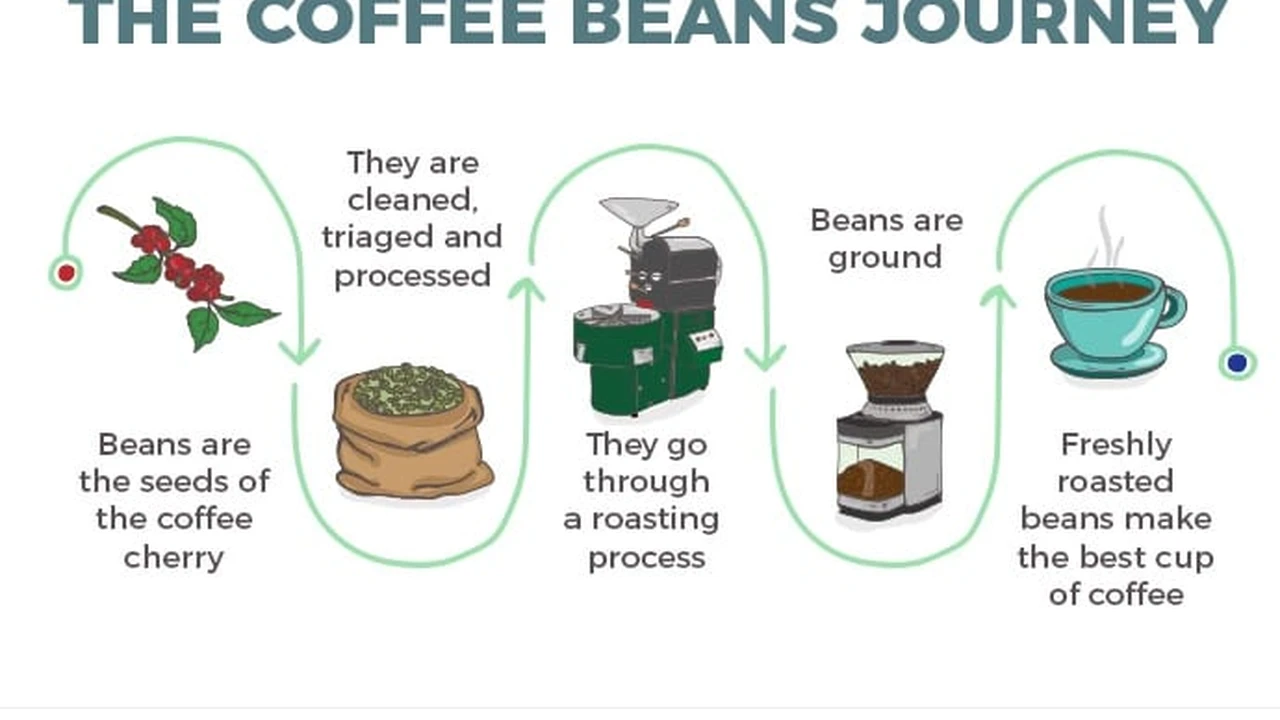
Remember that roast level significantly impacts flavor. A light roast will highlight the origin's inherent acidity and delicate notes, while a dark roast will bring out more body and roasty flavors, sometimes masking the origin's nuances. Try different roasts from the same origin to see how they change.
Try Different Brewing Methods
Some origins shine in specific brewing methods. For example, a bright Ethiopian might be incredible as a pour-over, while a heavy Brazilian could be perfect for espresso or French press. Don't be afraid to experiment!
Join a Coffee Subscription Service
Many specialty coffee subscription services curate beans from different origins, often with detailed tasting notes and origin information. This is a fantastic way to explore new regions without having to do all the research yourself. Services like Trade Coffee or Atlas Coffee Club (prices vary, typically $15-20 per bag) offer curated selections and educational materials, making it easy to discover new favorites.
Visit Local Roasters
Your local specialty coffee roaster is a treasure trove of knowledge. Ask them about their current single-origin offerings, their tasting notes, and their recommendations. They often have direct relationships with farms and can provide incredible insights.
The world of coffee origins is vast and endlessly fascinating. Each region, with its unique climate, soil, and processing methods, contributes a distinct chapter to the global coffee story. By exploring these origins, you're not just tasting coffee; you're experiencing a piece of culture, geography, and the incredible dedication of farmers around the globe. So, go forth, explore, and savor every sip!
:max_bytes(150000):strip_icc()/277019-baked-pork-chops-with-cream-of-mushroom-soup-DDMFS-beauty-4x3-BG-7505-5762b731cf30447d9cbbbbbf387beafa.jpg)