The Best Coffee Beans for Espresso
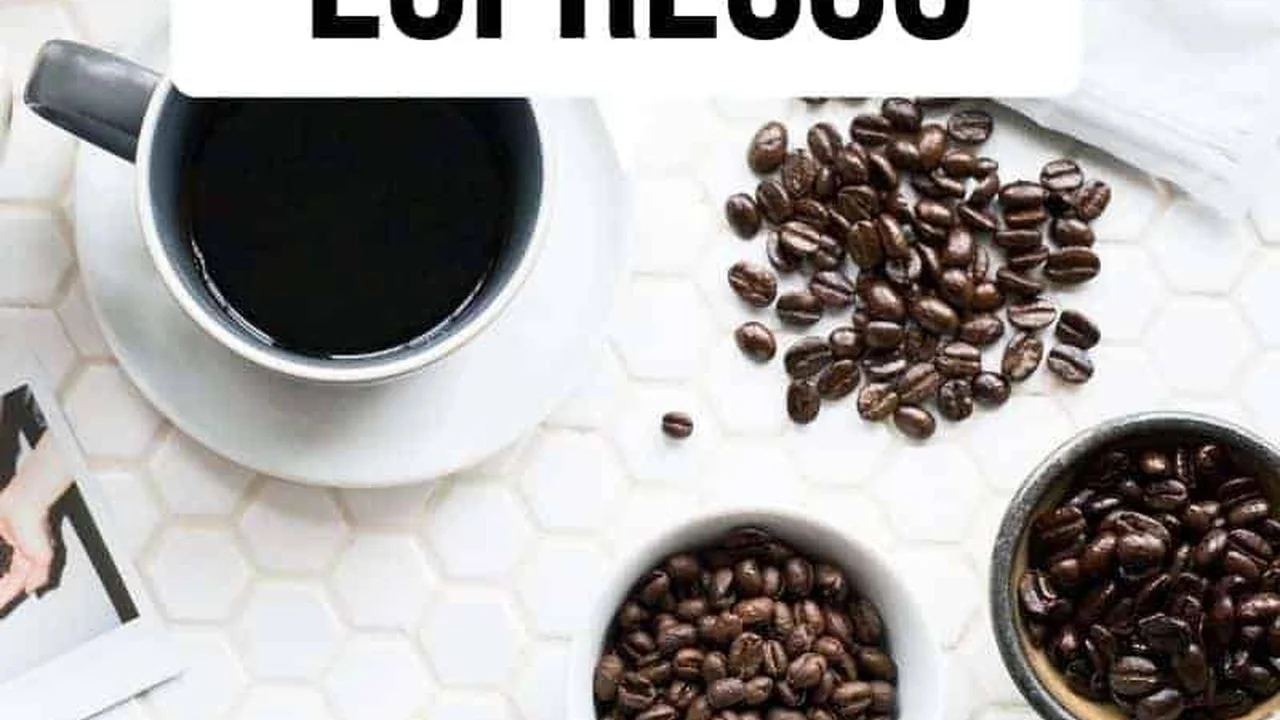
Find the ideal coffee beans for pulling perfect espresso shots. Learn about origins, roast levels, and flavor notes that excel in espresso.
Find the ideal coffee beans for pulling perfect espresso shots. Learn about origins, roast levels, and flavor notes that excel in espresso.
The Best Coffee Beans for Espresso
Understanding Espresso Coffee Bean Characteristics
Espresso isn't just a brewing method; it's a unique way to experience coffee. The intense pressure and short extraction time mean that the coffee beans you choose play an even more critical role than with other brewing methods. For a truly exceptional espresso, you need beans that can stand up to the process, delivering a rich crema, balanced flavor, and a satisfying body. But what exactly makes a coffee bean 'good for espresso'? It comes down to a few key characteristics: roast level, origin, and processing method.
Roast Levels for Optimal Espresso Flavor
When it comes to espresso, roast level is paramount. While you can technically make espresso with any roast, certain levels tend to perform better, offering a more harmonious and enjoyable shot.
Dark Roasts for Classic Espresso Profiles
Traditionally, espresso has been associated with dark roasts. These beans are roasted until they develop a dark, oily surface, often exhibiting notes of chocolate, caramel, nuts, and a pleasant bitterness. Dark roasts tend to produce a thicker, more stable crema and a full-bodied shot that cuts through milk beautifully, making them ideal for lattes and cappuccinos. The lower acidity in dark roasts also makes them more palatable for many, especially those new to espresso.
Medium Roasts for Balanced Espresso Flavors
In recent years, medium roasts have gained significant popularity in the espresso world. These roasts offer a balance between the bold intensity of dark roasts and the nuanced acidity of lighter roasts. Medium roasted espresso beans often showcase a wider range of flavors, including fruit, floral, and brighter notes, while still maintaining enough body and crema for a satisfying shot. They are versatile and can be enjoyed black or with milk, offering a more complex and aromatic experience.
Light Roasts and Their Place in Modern Espresso
While less common for traditional espresso, some specialty coffee enthusiasts are experimenting with light roasts. These beans retain more of their origin characteristics, offering vibrant acidity, complex fruitiness, and delicate floral notes. However, brewing light roroasted beans as espresso can be challenging. They often require precise grinding, higher temperatures, and careful extraction to avoid sourness. When done right, they can produce a surprisingly bright and clean shot, but they are generally not recommended for beginners or those seeking a classic espresso profile.
Coffee Bean Origins and Their Impact on Espresso
The origin of your coffee beans significantly influences their flavor profile, which in turn affects how they perform as espresso.
South American Coffee Beans for Smooth Espresso
Beans from South America, particularly Brazil and Colombia, are often the backbone of many espresso blends. Brazilian beans are known for their low acidity, heavy body, and notes of chocolate, nuts, and caramel, making them excellent for a smooth, classic espresso. Colombian beans offer a slightly brighter profile with notes of citrus and a balanced body, adding complexity without being overpowering.
African Coffee Beans for Bright and Fruity Espresso
African beans, especially from Ethiopia and Kenya, are celebrated for their vibrant acidity, complex fruitiness, and floral aromas. While these characteristics can be challenging to balance in espresso, they can create incredibly bright and aromatic shots. Ethiopian Yirgacheffe, for example, can yield espresso with notes of blueberry and jasmine, offering a truly unique experience for those who appreciate brighter flavors.
Asian Coffee Beans for Bold and Earthy Espresso
Beans from Asia, such as those from Indonesia (Sumatra, Java) and Vietnam, often contribute a bold, earthy, and sometimes spicy character to espresso. Sumatran beans are particularly known for their heavy body, low acidity, and notes of dark chocolate, tobacco, and cedar. These beans can add depth and a rich mouthfeel to espresso blends, making them a favorite for those who prefer a more robust shot.
Single Origin vs Espresso Blends for Your Brew
The choice between single-origin beans and espresso blends is a personal one, each offering distinct advantages for espresso.
The Art of Espresso Blending for Consistency
Most commercial espresso is made from blends. Blenders combine beans from different origins and roast levels to achieve a consistent flavor profile year-round, regardless of harvest variations. Blends are designed to be forgiving, producing a balanced shot with good crema and body. They often feature a mix of origins to achieve specific flavor goals, such as a rich chocolate base with hints of fruit or spice. For home baristas seeking reliability and a classic espresso taste, a well-crafted blend is often the best choice.
Exploring Single Origin Espresso for Unique Flavors
Single-origin espresso, on the other hand, highlights the unique characteristics of beans from a specific farm or region. This approach allows you to explore the distinct terroir and processing methods that define a particular coffee. While single-origin espresso can be more challenging to dial in, the reward is a highly nuanced and expressive shot that truly showcases the bean's inherent qualities. It's an excellent option for adventurous home baristas who enjoy experimenting and discovering new flavor profiles.
Recommended Coffee Beans for Espresso and Specific Products
Let's dive into some specific recommendations, considering different preferences and budgets. These are not exhaustive lists, but rather a starting point for your espresso journey.
For the Classic Espresso Lover (Dark to Medium-Dark Roasts)
If you crave that traditional, rich, and chocolatey espresso that pairs perfectly with milk, these options are for you:
1. Lavazza Super Crema Whole Bean Coffee Blend
- Description: A classic Italian espresso blend known for its rich crema and balanced flavor. It's a medium roast blend of Arabica and Robusta beans, offering notes of hazelnut and brown sugar.
- Why it's great for espresso: Designed specifically for espresso, it consistently produces a thick, tiger-striped crema and a full-bodied shot. It's very forgiving and easy to dial in, making it a favorite for home baristas.
- Usage Scenario: Daily espresso shots, lattes, cappuccinos. Excellent for automatic and semi-automatic machines.
- Price Range: Affordable to mid-range (typically $15-$25 for 2.2 lbs).
- Comparison: Compared to other dark roasts, it offers a smoother, less bitter profile than some pure Robusta blends, while still delivering that classic Italian punch.
2. Illy Classico Whole Bean Coffee Medium Roast
- Description: A signature blend of 100% Arabica beans from nine different origins, known for its consistent quality and smooth, balanced taste. It features notes of caramel, toast, and chocolate.
- Why it's great for espresso: Illy is synonymous with Italian espresso. Their beans are meticulously selected and roasted to ensure optimal extraction and a beautiful crema. The medium roast provides a perfect balance of sweetness and subtle bitterness.
- Usage Scenario: Everyday espresso, black or with milk. Works well across various espresso machines.
- Price Range: Mid-range to premium (typically $15-$25 for 8.8 oz).
- Comparison: Offers a more refined and nuanced flavor than Lavazza, with a slightly brighter acidity due to its 100% Arabica composition.
3. Peet's Coffee Espresso Forte Dark Roast Whole Bean
- Description: A bold, dark roast blend crafted for espresso, featuring a rich, intense flavor with notes of dark chocolate and a smoky finish.
- Why it's great for espresso: Peet's is known for its darker roasts, and Espresso Forte delivers on that promise. It produces a very strong, full-bodied shot with a substantial crema, perfect for those who like their espresso robust.
- Usage Scenario: Strong espresso shots, Americanos, and milk-based drinks where the coffee flavor needs to shine through.
- Price Range: Mid-range (typically $12-$18 for 12 oz).
- Comparison: Darker and more intense than both Lavazza and Illy, appealing to those who prefer a less subtle, more impactful espresso experience.
For the Modern Espresso Enthusiast (Medium Roasts)
If you're looking for a more complex, aromatic, and often brighter espresso that still has good body, consider these:
1. Counter Culture Coffee Big Trouble Blend
- Description: A popular blend from a renowned specialty roaster, Big Trouble is a medium roast with notes of chocolate, caramel, and a hint of fruit. It's designed to be versatile and approachable.
- Why it's great for espresso: It offers a balanced sweetness and acidity, producing a clean shot with good crema. It's a great entry point into specialty espresso without being overly challenging to brew.
- Usage Scenario: Black espresso, pour-overs, and drip coffee. Its versatility makes it a great all-rounder.
- Price Range: Mid-range to premium (typically $15-$20 for 12 oz).
- Comparison: Brighter and more nuanced than traditional Italian blends, showcasing more of the bean's inherent flavors.
2. Stumptown Coffee Roasters Hair Bender Blend
- Description: Stumptown's most popular and longest-running blend, Hair Bender is a complex medium roast with notes of dark chocolate, cherry, and fudge.
- Why it's great for espresso: It's specifically designed to perform well as espresso, offering a rich body, vibrant acidity, and a lingering finish. It's a benchmark for modern espresso blends.
- Usage Scenario: Excellent for black espresso, but also holds up well in milk drinks. A go-to for many specialty coffee shops.
- Price Range: Mid-range to premium (typically $16-$22 for 12 oz).
- Comparison: Similar in philosophy to Counter Culture's Big Trouble but often perceived as having a slightly more pronounced fruitiness and complexity.
3. Blue Bottle Coffee Hayes Valley Espresso
- Description: A medium-dark roast blend that aims for a balance of sweetness, acidity, and body, with notes of chocolate and dried fruit.
- Why it's great for espresso: Blue Bottle is known for its meticulous sourcing and roasting. Hayes Valley Espresso is crafted to be a versatile and approachable espresso, delivering a clean and satisfying shot.
- Usage Scenario: Daily espresso, both black and with milk. A reliable choice for consistent quality.
- Price Range: Premium (typically $18-$25 for 12 oz).
- Comparison: Often considered a slightly more refined and less overtly fruity option compared to Stumptown, leaning towards a more classic profile while retaining specialty characteristics.
For the Adventurous Home Barista (Single Origins and Lighter Roasts)
If you enjoy exploring unique flavors and are comfortable with dialing in your shots, these options offer exciting possibilities:
1. Onyx Coffee Lab Southern Weather Blend (Seasonal Single Origin Focus)
- Description: While a blend, Onyx often features rotating single-origin components in their blends, and their approach to roasting leans lighter. Southern Weather is designed to be a versatile, clean, and sweet coffee.
- Why it's great for espresso: Onyx roasts for clarity and sweetness. Their beans, even in blends, often highlight origin characteristics. This blend can produce a bright, clean, and complex espresso with vibrant acidity and nuanced sweetness. It requires careful attention to grind and temperature.
- Usage Scenario: Best for black espresso to appreciate its complexity, or in smaller milk drinks like cortados. Ideal for experienced baristas.
- Price Range: Premium (typically $20-$28 for 10 oz).
- Comparison: Significantly brighter and more acidic than the medium roasts listed above, pushing the boundaries of what espresso can be.
2. George Howell Coffee Single Origin (e.g., Ethiopia Worka Sakaro)
- Description: George Howell is a pioneer in specialty coffee, focusing on exceptional single-origin beans. Their Ethiopian offerings are often light-roasted to highlight their delicate floral and fruit notes.
- Why it's great for espresso: For those seeking a truly unique and vibrant espresso experience, a high-quality light-roasted Ethiopian single origin can deliver notes of jasmine, bergamot, and bright citrus. It's challenging but rewarding.
- Usage Scenario: Primarily for black espresso. Not recommended for milk drinks as the delicate flavors can be easily overwhelmed. Requires advanced espresso skills.
- Price Range: Premium (typically $20-$30 for 12 oz).
- Comparison: Represents the extreme end of light-roasted espresso, offering unparalleled clarity and aromatic complexity, but demanding precise technique.
3. Heart Coffee Roasters Stereo Blend
- Description: Heart is known for its very light roasts and emphasis on transparency. Stereo Blend is a seasonal offering, typically featuring two distinct single origins roasted to highlight their inherent sweetness and acidity.
- Why it's great for espresso: If you appreciate bright, clean, and sweet espresso with pronounced fruit and floral notes, Heart's offerings are excellent. Their beans are roasted to preserve the delicate aromatics.
- Usage Scenario: Best enjoyed as black espresso. Requires a high-quality grinder and precise temperature control.
- Price Range: Premium (typically $20-$28 for 12 oz).
- Comparison: Similar to Onyx and George Howell in its lighter roast philosophy, often showcasing very clean and sweet profiles with distinct fruit characteristics.
Factors to Consider When Choosing Espresso Beans
Beyond specific recommendations, keep these factors in mind when making your choice:
Freshness is Key for Espresso Quality
For espresso, freshness is non-negotiable. Coffee beans start to lose their volatile aromatics and CO2 (which contributes to crema) very quickly after roasting. Always look for a roast date on the bag, not a 'best by' date. Ideally, use beans that were roasted within 1-4 weeks for optimal espresso extraction. Beans that are too fresh (within a few days of roasting) might 'degas' too much, leading to inconsistent shots. Beans that are too old will produce thin crema and flat flavors.
Grind Consistency and Your Espresso Machine
The best beans in the world won't save a bad grind. Espresso requires an extremely fine and consistent grind. Your grinder is arguably as important as your espresso machine. A high-quality burr grinder (conical or flat) is essential. Different beans and roast levels will require slight adjustments to your grind setting to achieve the perfect extraction time (typically 25-30 seconds for a double shot).
Water Quality and Its Role in Espresso Flavor
Coffee is over 98% water, so the quality of your water significantly impacts the taste of your espresso. Filtered water, free from chlorine and excessive minerals, is crucial. Hard water can lead to scale buildup in your machine and dull the flavors of your coffee. Soft water can make your espresso taste sour. Aim for water with a balanced mineral content, often referred to as 'third wave water' or similar filtered options.
Personal Preference and Experimentation
Ultimately, the 'best' coffee beans for espresso are subjective. What one person loves, another might not. Don't be afraid to experiment with different origins, roasts, and blends. Keep a journal of your brewing parameters and tasting notes. This iterative process of trying new beans, adjusting your grind, and refining your technique is a core part of the home barista journey. Enjoy the process of discovery and finding what truly delights your palate.
Troubleshooting Common Espresso Bean Issues
Even with great beans, you might encounter issues. Here are some common problems and how they relate to your coffee beans:
Sour or Under-extracted Espresso
If your espresso tastes sour, thin, or watery, it's likely under-extracted. This can happen if your grind is too coarse, your water temperature is too low, or your dose is too small. For light-roasted beans, under-extraction is a common challenge due to their density and higher acidity. Try grinding finer, increasing your dose slightly, or ensuring your machine is at the correct temperature.
Bitter or Over-extracted Espresso
Conversely, if your espresso tastes overly bitter, burnt, or astringent, it's probably over-extracted. This can occur if your grind is too fine, your water temperature is too high, or your shot runs for too long. Darker roasts are more prone to bitterness if over-extracted. Try grinding coarser, reducing your dose, or shortening your shot time.
Lack of Crema or Thin Crema
Crema is a hallmark of good espresso. A lack of crema or a very thin, quickly dissipating crema often indicates stale beans. As beans age, they lose the CO2 necessary to form that beautiful golden-brown layer. It can also be a sign of an incorrect grind (too coarse) or insufficient pressure from your machine. Always check your roast date first if crema is an issue.
Inconsistent Shots
If your shots are wildly inconsistent, even with the same settings, it could be due to uneven bean quality, poor distribution in the portafilter, or an inconsistent grinder. Ensure your beans are fresh and of good quality, practice your puck preparation (distribution and tamping), and consider if your grinder is providing a uniform grind.
The Journey to Your Perfect Espresso Bean
Finding your ideal espresso bean is a continuous journey of exploration and refinement. It involves understanding the nuances of roast levels, appreciating the diversity of origins, and mastering the art of extraction. Start with reliable, forgiving blends, and as your skills and palate develop, venture into the exciting world of single origins and lighter roasts. Remember that every variable, from bean choice to water quality, plays a role in the final cup. Embrace the process, learn from each shot, and most importantly, enjoy the delicious results of your home barista efforts.
Whether you prefer the classic comfort of a dark roast blend or the vibrant complexity of a light-roasted single origin, the world of espresso beans offers endless possibilities. Happy brewing!
:max_bytes(150000):strip_icc()/277019-baked-pork-chops-with-cream-of-mushroom-soup-DDMFS-beauty-4x3-BG-7505-5762b731cf30447d9cbbbbbf387beafa.jpg)