Coffee Grinder Features to Look For
Learn about essential features to consider when buying a coffee grinder. From grind settings to hopper capacity, make an informed choice.
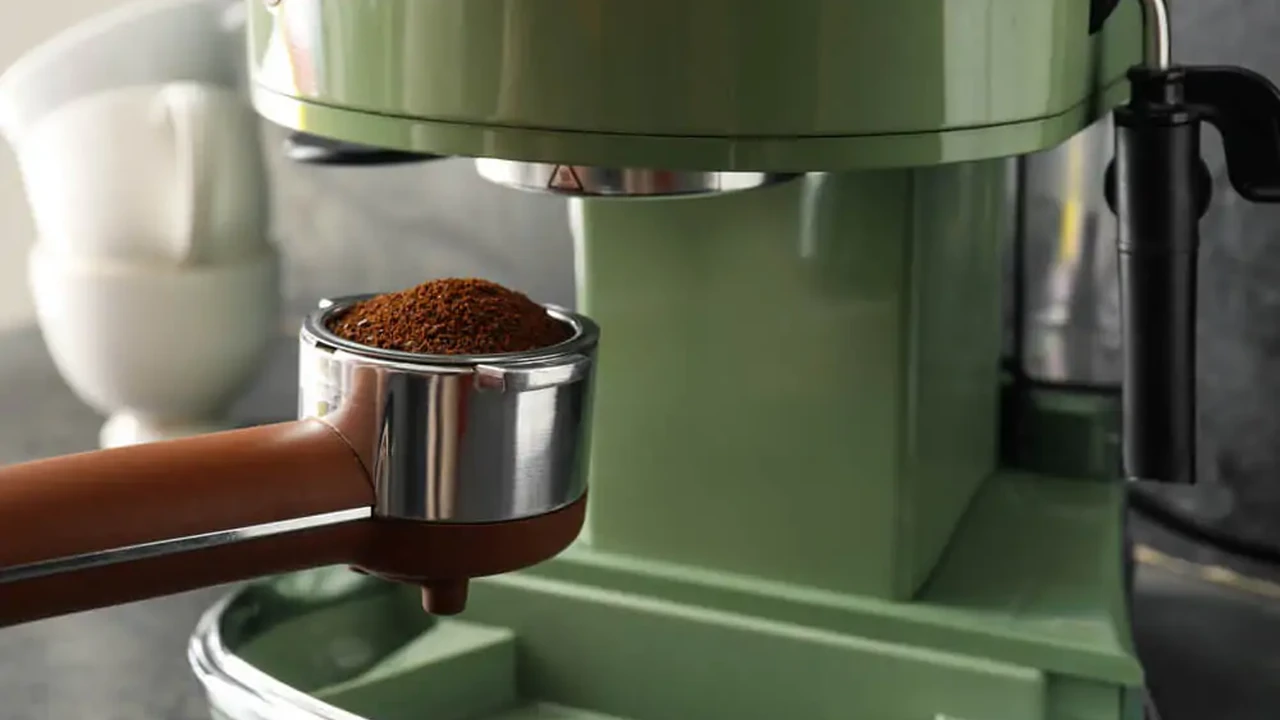
Learn about essential features to consider when buying a coffee grinder. From grind settings to hopper capacity, make an informed choice.
Coffee Grinder Features to Look For
So, you're ready to step up your coffee game and invest in a dedicated coffee grinder. That's fantastic! It's one of the most impactful upgrades you can make to your home brewing setup. But with so many options out there, how do you even begin to choose? It can feel a bit overwhelming, right? Don't worry, we're here to break down the essential features you should be looking for. We'll cover everything from the type of burrs to grind settings, hopper capacity, and even some smart features that might just surprise you. Our goal is to help you make an informed decision that perfectly matches your brewing style and budget.
Burr Type The Heart of Your Grinder
This is arguably the most critical feature. When we talk about coffee grinders, we're almost always talking about burr grinders. Blade grinders, which essentially chop coffee beans, are a big no-no for quality coffee because they produce an inconsistent grind, leading to uneven extraction and a less flavorful cup. So, let's focus on burr grinders, which come in two main types: conical and flat.
Conical Burrs Understanding Their Advantages
Conical burrs are, as the name suggests, cone-shaped. They typically consist of an outer ring and an inner cone. As beans fall between them, they are crushed and ground. Many popular home grinders, especially those geared towards espresso, use conical burrs. They are often praised for being quieter, producing less static, and being more efficient at grinding, which means less heat transfer to the beans. Less heat means less flavor degradation, which is a big win for your coffee. They also tend to be more forgiving with a wider range of grind sizes.
Recommended Conical Burr Grinders:
- Baratza Encore ESP: This is a fantastic entry-level conical burr grinder, especially for espresso. It offers 40 grind settings, making it versatile for various brew methods. It's known for its consistent grind and durability. Price: Around $199 USD. Use case: Ideal for beginners looking for a reliable grinder for both espresso and pour-over.
- Niche Zero: A highly acclaimed single-dose conical burr grinder. It's renowned for its exceptional grind quality, minimal retention, and premium build. Price: Around $600-700 USD. Use case: Serious home baristas who prioritize grind quality, especially for espresso, and prefer single-dosing.
- Fellow Ode Brew Grinder Gen 2: While primarily designed for filter coffee (pour-over, French press), its Gen 2 update significantly improved its grind range, making it more versatile. It features large 64mm flat burrs (though we're discussing conical here, it's worth noting for comparison of brands). Price: Around $345 USD. Use case: Home brewers focused on filter coffee, seeking precision and a sleek design. (Note: While Fellow Ode is flat burr, it's a popular brand often compared to conical options like Baratza for home use.)
Flat Burrs Exploring Their Precision
Flat burrs consist of two parallel rings with teeth. Beans are ground as they pass between these two flat surfaces. Flat burrs are often found in higher-end commercial grinders and are gaining popularity in the home market. They are known for producing a very uniform particle size distribution, which can lead to a cleaner, brighter cup, especially for filter coffee. However, they can sometimes be louder and generate more static than conical burrs, and they might retain a bit more coffee.
Recommended Flat Burr Grinders:
- Eureka Mignon Specialita: A popular choice for espresso enthusiasts, this compact grinder features 55mm flat burrs and stepless micrometric adjustment for incredibly precise grind settings. It's known for its quiet operation and excellent grind quality. Price: Around $650-750 USD. Use case: Dedicated espresso drinkers who want commercial-grade grind quality in a home-friendly size.
- DF64 Gen 2: This grinder has gained a cult following for its 64mm flat burrs and ability to be easily modded with different burr sets. It's a single-dose grinder, offering very low retention. Price: Around $400-500 USD. Use case: Enthusiasts who love to experiment with different burrs and prioritize single-dosing for maximum freshness.
- Baratza Sette 270Wi: While it has a unique conical burr design that acts somewhat like a flat burr in terms of grind path, it's often grouped with high-performance grinders. It features a built-in Acaia scale for grinding by weight, which is a game-changer for consistency. Price: Around $599 USD. Use case: Home baristas who want ultimate precision and convenience with grind-by-weight functionality, especially for espresso.
Grind Settings The Key to Versatility
The number and type of grind settings are crucial because different brewing methods require different grind sizes. Espresso needs a very fine, consistent grind, while French press requires a coarse, uniform grind. Pour-over and drip coffee fall somewhere in between. A good grinder will offer a wide range of settings, allowing you to dial in the perfect grind for your chosen brew method.
Stepped vs Stepless Adjustments Understanding the Nuances
Grinders typically have either stepped or stepless adjustments. Stepped grinders have predefined settings, like clicks on a dial. They are easier to use and reproduce settings, which is great for beginners or if you switch between brew methods frequently. Stepless grinders, on the other hand, allow for infinite micro-adjustments between settings. This is particularly important for espresso, where tiny changes in grind size can significantly impact extraction and flavor. If espresso is your primary focus, a stepless grinder is highly recommended.
Grind Range and Consistency Why It Matters
Beyond just the number of settings, consider the actual range from fine to coarse. Does it cover everything from Turkish coffee (super fine) to cold brew (very coarse)? More importantly, how consistent is the grind at each setting? A consistent grind means all coffee particles are roughly the same size, leading to even extraction and a better-tasting cup. Inconsistent grinds (often called 'fines' and 'boulders') lead to over-extraction of some particles and under-extraction of others, resulting in a muddy, bitter, or sour taste.
Hopper Capacity and Design Convenience and Freshness
The hopper is where you load your whole coffee beans. Its capacity can vary significantly between models.
Hopper Size Matching Your Usage
If you brew coffee multiple times a day or for a large household, a larger hopper might be convenient. However, for most home baristas, a smaller hopper is often preferred. Why? Because coffee beans start to lose their freshness the moment they are exposed to air. Grinding beans just before brewing is paramount for the best flavor. So, if you're not going to grind all the beans in a large hopper within a day or two, it's better to store them in an airtight container and only add what you need for each brew.
Single Dosing The Ultimate Freshness
Many enthusiasts, especially those focused on espresso, prefer 'single dosing.' This means you weigh out the exact amount of whole beans you need for your shot, grind them, and then brew. This minimizes bean exposure to air and ensures maximum freshness for every cup. Some grinders are specifically designed for single dosing, featuring minimal retention (how much coffee gets stuck in the grinder after grinding) and easy access to the burrs for cleaning.
Motor and Build Quality Durability and Performance
A grinder is an investment, so you want it to last. The motor and overall build quality play a huge role in its durability and performance.
Motor Power and Speed Understanding the Impact
A powerful motor can grind beans more efficiently and with less strain, potentially leading to a longer lifespan for the grinder. Some grinders operate at lower RPMs (revolutions per minute), which can reduce heat buildup during grinding, preserving the coffee's delicate aromas and flavors. Look for grinders with direct-drive motors or gear reduction systems that ensure consistent torque.
Materials and Construction What to Look For
High-quality materials, like metal casings and sturdy burrs (stainless steel or ceramic), indicate a more durable machine. Avoid grinders with flimsy plastic components, especially in critical areas like the burr housing or adjustment mechanism. A heavier grinder often suggests more robust construction and less vibration during operation.
Additional Features Enhancing Your Grinding Experience
Beyond the core functionalities, some grinders offer extra features that can enhance convenience and precision.
Timer or Scale Integration For Consistent Dosing
Many electric grinders come with a built-in timer, allowing you to grind for a set duration. While this offers some consistency, it's not as precise as grinding by weight. Some high-end grinders, like the Baratza Sette 270Wi, integrate a scale directly into the grinder, allowing you to grind precisely by weight. This is the gold standard for consistency, especially for espresso, as it eliminates variables related to bean density and grind speed.
Anti Static Features Reducing Mess
Static electricity can be a real nuisance when grinding coffee, causing grounds to fly everywhere and stick to your counter or portafilter. Some grinders incorporate anti-static technology or design elements to minimize this mess, making cleanup much easier.
Ease of Cleaning and Maintenance Prolonging Life
Regular cleaning is essential for maintaining your grinder's performance and preventing old coffee oils from tainting your fresh grounds. Look for grinders that are easy to disassemble for cleaning, with accessible burrs. Some grinders even come with cleaning brushes or tools.
Noise Level Considering Your Environment
Let's be honest, some grinders can be quite loud, especially first thing in the morning. If noise is a concern for you or your household, look for models that are specifically designed for quieter operation. Conical burr grinders tend to be a bit quieter than flat burr grinders, but advancements are being made in both categories.
Price Point and Value Finding Your Sweet Spot
Coffee grinders range widely in price, from under $100 to well over $1000. It's important to set a budget, but also to understand that a good grinder is an investment that will significantly improve your coffee experience. Don't necessarily go for the cheapest option, as it might lead to frustration and a desire to upgrade quickly. Instead, focus on getting the best grinder you can afford that meets your specific needs.
Entry Level Grinders Getting Started
For those just starting out, grinders like the Baratza Encore (around $169 USD) or the Capresso Infinity (around $100-120 USD) offer excellent value. They provide consistent grinds for most brew methods (though espresso can be a challenge for the Encore without modifications) and are a huge step up from blade grinders. They are perfect for drip, pour-over, and French press.
Mid Range Grinders Stepping Up Your Game
In the $200-$500 range, you'll find grinders that offer more precision, better build quality, and often more versatility for espresso. Examples include the Baratza Encore ESP (as mentioned, great for espresso beginners), the Eureka Mignon Notte/Manuale (around $350-400 USD, a solid entry into espresso-focused flat burr grinding), and the Rancilio Rocky (around $400 USD, a classic workhorse). These grinders are suitable for serious home baristas who want to explore different brew methods, including espresso.
High End Grinders For the Enthusiast
Once you cross the $500 mark, you're looking at grinders with commercial-grade components, exceptional grind quality, and advanced features. The Niche Zero, Eureka Mignon Specialita, and Baratza Sette 270Wi are prime examples. These are for the dedicated coffee lover who prioritizes consistency, precision, and is willing to invest for the ultimate brewing experience, especially for high-quality espresso.
Ultimately, the best coffee grinder for you depends on your brewing habits, your budget, and your priorities. Do you primarily brew pour-over, or are you an espresso fanatic? Do you value convenience, or are you willing to put in a bit more effort for ultimate precision? By considering these features and understanding the differences between models, you'll be well-equipped to choose a grinder that will elevate your home coffee experience for years to come. Happy grinding!
:max_bytes(150000):strip_icc()/277019-baked-pork-chops-with-cream-of-mushroom-soup-DDMFS-beauty-4x3-BG-7505-5762b731cf30447d9cbbbbbf387beafa.jpg)