Comparing Light Roast vs Dark Roast Coffee Beans
A detailed comparison of light and dark roast coffee beans. Explore their distinct flavor profiles, acidity, and body.
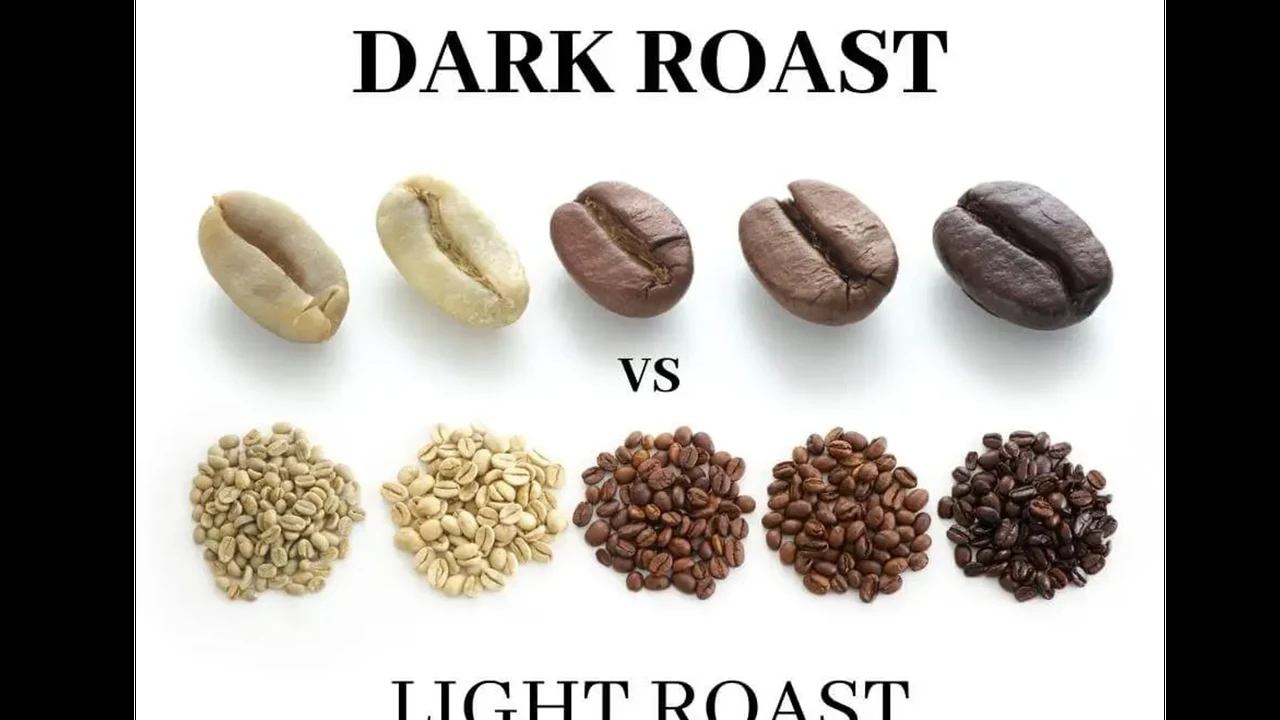
A detailed comparison of light and dark roast coffee beans. Explore their distinct flavor profiles, acidity, and body.
Comparing Light Roast vs Dark Roast Coffee Beans
Hey coffee lovers! Ever stood in the coffee aisle, staring at bags labeled 'light roast' and 'dark roast,' wondering what the real difference is beyond just the color of the beans? You're not alone! It's one of the most common questions in the coffee world, and understanding it is key to unlocking your perfect cup. Today, we're diving deep into the fascinating world of coffee roasting, breaking down light roasts versus dark roasts, and everything in between. We'll talk about flavor, acidity, body, and even recommend some specific beans and where you might find them. So, grab your favorite mug, and let's get brewing!
The Roasting Process Understanding Coffee Transformation
Before we get into the nitty-gritty of light versus dark, let's quickly touch on what roasting actually is. Coffee beans start as green, dense, and grassy-smelling seeds. They have almost no aroma or flavor that we associate with coffee. Roasting is the magical process that transforms these green seeds into the aromatic, flavorful beans we know and love. It involves applying heat, which causes a series of complex chemical reactions within the bean. Sugars caramelize, acids develop, and volatile compounds are created, all contributing to the final taste. The longer and hotter the roast, the more these compounds change, leading to different flavor profiles.
Light Roast Coffee Beans Bright and Aromatic
Light roast coffee beans are roasted for a shorter period and at a lower temperature than their darker counterparts. They typically reach an internal temperature of around 350-400°F (175-205°C) and are usually removed from the roaster shortly after the 'first crack' – a distinct popping sound the beans make as they expand. Visually, they're light brown, often with a dry surface, as the oils haven't yet migrated to the surface.
Flavor Profile of Light Roasts
This is where light roasts truly shine! Because they spend less time in the roaster, they retain more of their original characteristics from the bean's origin. Think of it like cooking vegetables – a quick steam preserves their natural flavor, while overcooking makes them taste uniform. Light roasts are celebrated for their:
- Higher Acidity: This isn't a bad thing! In coffee, acidity refers to a pleasant, bright, and lively sensation on the tongue, often described as citrusy, fruity, or wine-like. It adds complexity and vibrancy.
- Brighter Flavors: You'll often taste distinct notes of fruit (berries, citrus, stone fruit), floral aromas, nuts, or even tea-like qualities. The unique terroir of the coffee farm really comes through.
- Lighter Body: They tend to have a thinner, more delicate mouthfeel compared to darker roasts.
- Higher Caffeine Content: While often debated, light roasts generally have a slightly higher caffeine content by weight. This is because the roasting process burns off some caffeine, and light roasts are roasted less.
Ideal Brewing Methods for Light Roasts
Light roasts truly sing when brewed with methods that highlight their delicate flavors and acidity. Think pour-over, AeroPress, or even a good drip coffee maker. These methods allow for a clean extraction that lets the nuanced notes shine. Espresso can be tricky with light roasts due to their density and acidity, but some specialty cafes are mastering it for a unique, bright shot.
Recommended Light Roast Coffee Beans and Brands
If you're looking to explore light roasts, here are a few excellent options, often available from specialty roasters:
- Ethiopian Yirgacheffe (e.g., from Counter Culture Coffee): Known for its bright, floral, and citrusy notes, often with hints of blueberry. A 12oz bag typically ranges from $16-$20 USD. Great for pour-over.
- Kenya AA (e.g., from Blue Bottle Coffee): Expect vibrant acidity, blackcurrant, and sometimes tomato-like savory notes. A 12oz bag is usually $18-$22 USD. Excellent for drip or AeroPress.
- Colombia Geisha (e.g., from La Colombe Coffee Roasters): A highly prized varietal, even at a light roast, it offers incredibly complex floral, jasmine, and peach notes. Be prepared for a higher price point, often $30+ for a small bag, but it's an experience! Best for pour-over to savor every note.
- Sumatra Mandheling (lightly roasted, e.g., from Stumptown Coffee Roasters): While Sumatra is often dark roasted, a light roast can reveal unique earthy, herbal, and sometimes chocolatey notes with a surprisingly clean finish. A 12oz bag is around $15-$18 USD. Good for French Press or drip.
Medium Roast Coffee Beans The Balanced Choice
Medium roasts are the sweet spot for many coffee drinkers, offering a balance between the origin characteristics and the flavors developed during roasting. They are roasted longer than light roasts, typically reaching 400-430°F (205-220°C), usually between the first and second crack. They have a medium brown color and a slightly richer aroma than light roasts, though still dry on the surface.
Flavor Profile of Medium Roasts
Medium roasts aim for harmony, showcasing both the bean's inherent qualities and the pleasant bitterness and sweetness from caramelization:
- Balanced Acidity: Less pronounced than light roasts, but still present, offering a pleasant brightness.
- Fuller Body: They have a more substantial mouthfeel than light roasts.
- Rounded Flavors: You'll find notes of chocolate, caramel, nuts, and sometimes a hint of fruit. The original bean flavors are still discernible but are complemented by roast-developed sweetness.
- Versatile: This roast level is often considered the most versatile for various brewing methods.
Ideal Brewing Methods for Medium Roasts
Medium roasts are incredibly adaptable. They work wonderfully with drip coffee makers, pour-over, French press, and even espresso, offering a well-rounded and approachable shot.
Recommended Medium Roast Coffee Beans and Brands
For a great introduction to medium roasts, consider these:
- Starbucks Pike Place Roast: A classic medium roast with notes of cocoa and toasted nuts. Widely available, a 12oz bag is typically $10-$12 USD. Good for drip coffee.
- Peet's Coffee Major Dickason's Blend: A rich, complex blend with a full body and notes of chocolate and spice. A 12oz bag usually costs $12-$15 USD. Excellent for French Press or drip.
- Lavazza Super Crema (Espresso Blend): While often used for espresso, this medium roast blend offers a creamy body with notes of hazelnut and brown sugar. A 2.2lb bag is around $20-$25 USD. Perfect for espresso machines.
- Eight O'Clock Coffee Original: A very approachable and affordable medium roast with a smooth, balanced flavor. A 12oz bag is often under $10 USD. Great for everyday drip coffee.
Dark Roast Coffee Beans Bold and Intense
Dark roast coffee beans are roasted the longest and at the highest temperatures, typically reaching 430-480°F (220-250°C) or even higher, well into the 'second crack' and beyond. At this stage, the beans have expanded significantly, and their natural oils have migrated to the surface, giving them a shiny, almost black appearance. The original characteristics of the bean are largely overshadowed by the roast flavors.
Flavor Profile of Dark Roasts
Dark roasts are all about intensity and boldness, with flavors primarily derived from the roasting process itself:
- Low Acidity: The prolonged roasting breaks down most of the acids, resulting in a very low-acid cup.
- Heavy Body: They have a thick, syrupy, and often creamy mouthfeel.
- Pronounced Roast Flavors: Expect notes of dark chocolate, caramel, smoky, nutty, and sometimes even burnt or tar-like flavors. The bitterness is more prominent.
- Lower Caffeine Content: By weight, dark roasts generally have slightly less caffeine than light roasts due to the longer roasting time.
Ideal Brewing Methods for Dark Roasts
Dark roasts are fantastic for methods that can handle their intensity, such as French press, espresso, or cold brew. The French press brings out their full body, while espresso machines can create a rich, crema-laden shot. Cold brew tames their bitterness, resulting in a smooth, chocolatey concentrate.
Recommended Dark Roast Coffee Beans and Brands
If you love a bold, strong cup, these dark roasts are worth trying:
- Starbucks French Roast: A classic dark roast with intense smoky and sweet notes. A 12oz bag is typically $10-$12 USD. Excellent for French Press or drip.
- Death Wish Coffee (World's Strongest Coffee): While marketed for its high caffeine, it's a very dark roast with bold, intense flavor. A 12oz bag is around $20-$25 USD. Best for those who like a very strong cup.
- Illy Classico Whole Bean Coffee (Dark Roast): An Italian classic, this dark roast offers a rich, full-bodied espresso with notes of cocoa and toasted bread. A 8.8oz can is usually $15-$18 USD. Ideal for espresso machines.
- Dunkin' Donuts Original Blend (Dark Roast): A popular and accessible dark roast with a smooth, robust flavor. A 12oz bag is often $8-$10 USD. Good for everyday drip coffee.
- Lavazza Gran Crema Espresso: Another great Italian option, this dark roast blend is designed for espresso, producing a rich crema and intense flavor. A 2.2lb bag is around $20-$25 USD. Perfect for espresso.
Beyond the Basics Other Roast Levels and Considerations
While light, medium, and dark are the main categories, you might also encounter other terms:
- Cinnamon Roast: Even lighter than a light roast, often removed before the first crack. Very high acidity, rarely seen commercially.
- City Roast: Often synonymous with light roast, just after the first crack.
- Full City Roast: A medium-dark roast, just before the second crack. Offers a fuller body than medium roasts but still retains some origin characteristics.
- Vienna Roast: A dark roast, often with some oil on the surface, just into the second crack.
- French Roast: A very dark roast, shiny with oil, often with smoky and bitter notes.
- Italian Roast: The darkest of the dark, almost black and very oily, with pronounced bitter and smoky flavors.
The Impact of Origin on Roast Choice
It's important to remember that the origin of the coffee bean also plays a huge role. A light roast from Ethiopia will taste vastly different from a light roast from Brazil. Similarly, a dark roast of a naturally sweet Brazilian bean might be less bitter than a dark roast of a naturally acidic Kenyan bean. Roasters often choose a roast level that best highlights the inherent qualities of a particular bean.
Finding Your Perfect Roast Level
So, how do you choose? It really comes down to personal preference and what you're looking for in your cup. Here's a quick guide:
- If you love bright, fruity, and nuanced flavors with a clean finish: Go for light roasts.
- If you prefer a balanced cup with notes of chocolate, nuts, and a good body: Medium roasts are your friend.
- If you crave a bold, intense, smoky, and full-bodied cup: Dark roasts are calling your name.
Don't be afraid to experiment! Buy small bags of different roasts and origins. Pay attention to the tasting notes provided by the roaster. Try brewing them with different methods. Your palate will develop over time, and you might find yourself appreciating a wider range of flavors than you initially expected.
Storage and Freshness Roast Level Matters
One final, but crucial, point: storage. Darker roasts tend to go stale faster than lighter roasts because their cellular structure is more broken down, and the oils on the surface are more exposed to oxygen. Always store your coffee beans in an airtight container, away from light, heat, and moisture. And try to buy smaller quantities more frequently to ensure maximum freshness, regardless of the roast level.
Ultimately, there's no 'best' roast level – only the one that brings you the most joy. Happy brewing, and enjoy the journey of discovering your favorite coffee!
:max_bytes(150000):strip_icc()/277019-baked-pork-chops-with-cream-of-mushroom-soup-DDMFS-beauty-4x3-BG-7505-5762b731cf30447d9cbbbbbf387beafa.jpg)