How to Make Perfect Turkish Coffee at Home
Master the ancient art of Turkish coffee brewing. Learn the traditional method for a rich, unfiltered coffee experience.
Master the ancient art of Turkish coffee brewing. Learn the traditional method for a rich, unfiltered coffee experience.
How to Make Perfect Turkish Coffee at Home
Hey coffee lovers! Ever wanted to dive deep into a brewing method that's steeped in history and delivers an incredibly rich, intense cup? Well, you're in for a treat because today we're talking all about Turkish coffee. This isn't your average morning brew; it's a ritual, a cultural experience, and a truly unique way to enjoy coffee. Forget filters, forget fancy machines – Turkish coffee is all about simplicity, tradition, and a whole lot of flavor. Let's get brewing!
Understanding Turkish Coffee What Makes It Unique
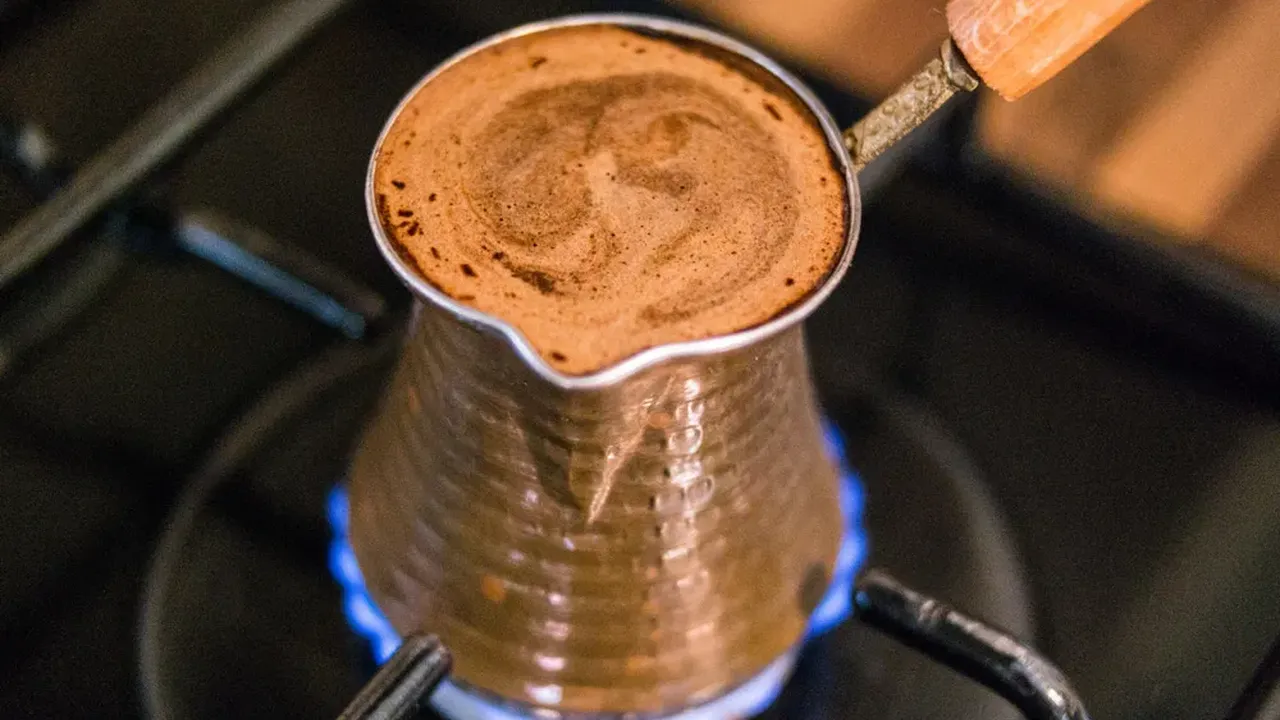
So, what exactly is Turkish coffee? At its core, it's a method of preparing unfiltered coffee. Unlike espresso or drip coffee, where the grounds are separated from the liquid, Turkish coffee is served with the very fine coffee grounds still in the cup. This gives it a distinctive thick, velvety texture and a powerful, concentrated flavor. It's traditionally prepared in a special pot called a 'cezve' (pronounced jez-veh) or 'ibrik' (pronounced ee-breek), and it's known for its rich foam on top, which is highly prized.
The key to Turkish coffee lies in the grind. It's incredibly fine – finer than espresso, almost like powdered sugar or flour. This super-fine grind allows for maximum extraction of flavor and creates that characteristic sediment at the bottom of the cup. The brewing process is also unique: the coffee, water, and often sugar are brought to a gentle boil multiple times, creating a strong, aromatic brew.
Essential Equipment for Authentic Turkish Coffee Brewing
You don't need a ton of gear to make Turkish coffee, but a few specific items are crucial for an authentic experience. Let's break them down:
The Cezve or Ibrik Your Turkish Coffee Pot
This is the star of the show. A cezve is a small, long-handled pot, usually made of copper, brass, or stainless steel, with a wide base and a narrow neck. The narrow neck helps to build up the foam, which is a hallmark of good Turkish coffee. They come in various sizes, typically measured by the number of demitasse cups they can brew (e.g., 1-cup, 2-cup, 4-cup).
- Copper Cezves: These are traditional and excellent heat conductors, allowing for precise temperature control. They often look beautiful too.
- Stainless Steel Cezves: More durable and easier to clean, but might not offer the same heat responsiveness as copper.
- Brass Cezves: Similar to copper in heat conductivity and aesthetic appeal.
Recommended Cezve Products and Comparisons
When choosing a cezve, consider the material, size, and handle. Here are a few popular options:
1. Soy Caffe Copper Cezve (Luxury Pick)
- Material: Solid Copper with silver lining.
- Features: Hand-hammered, excellent heat distribution, beautiful craftsmanship. Comes in various sizes.
- Use Case: For the serious enthusiast who wants the best traditional experience and is willing to invest.
- Price Range: $100 - $300+ (depending on size and design).
- Comparison: Top-tier quality, heirloom piece. Heats very evenly and quickly.
2. Demmex Turkish Coffee Pot (Mid-Range)
- Material: Solid Copper with tin lining.
- Features: Often comes with a wooden handle for comfortable grip, good heat conductivity, available in multiple sizes.
- Use Case: Great balance of traditional feel, performance, and affordability. Perfect for daily use.
- Price Range: $30 - $60.
- Comparison: A very popular choice, offers excellent value. Good for beginners and experienced brewers alike.
3. Godmorn Stainless Steel Turkish Coffee Pot (Budget Friendly)
- Material: Stainless Steel.
- Features: Durable, easy to clean, often dishwasher safe, suitable for induction cooktops (check specific model).
- Use Case: If you're just starting out or prefer the convenience of stainless steel. Less traditional but still functional.
- Price Range: $15 - $30.
- Comparison: Most affordable and practical for modern kitchens. Might not produce as much foam as copper due to different heat properties, but still makes good coffee.
The Right Coffee Grind Finer Than Fine
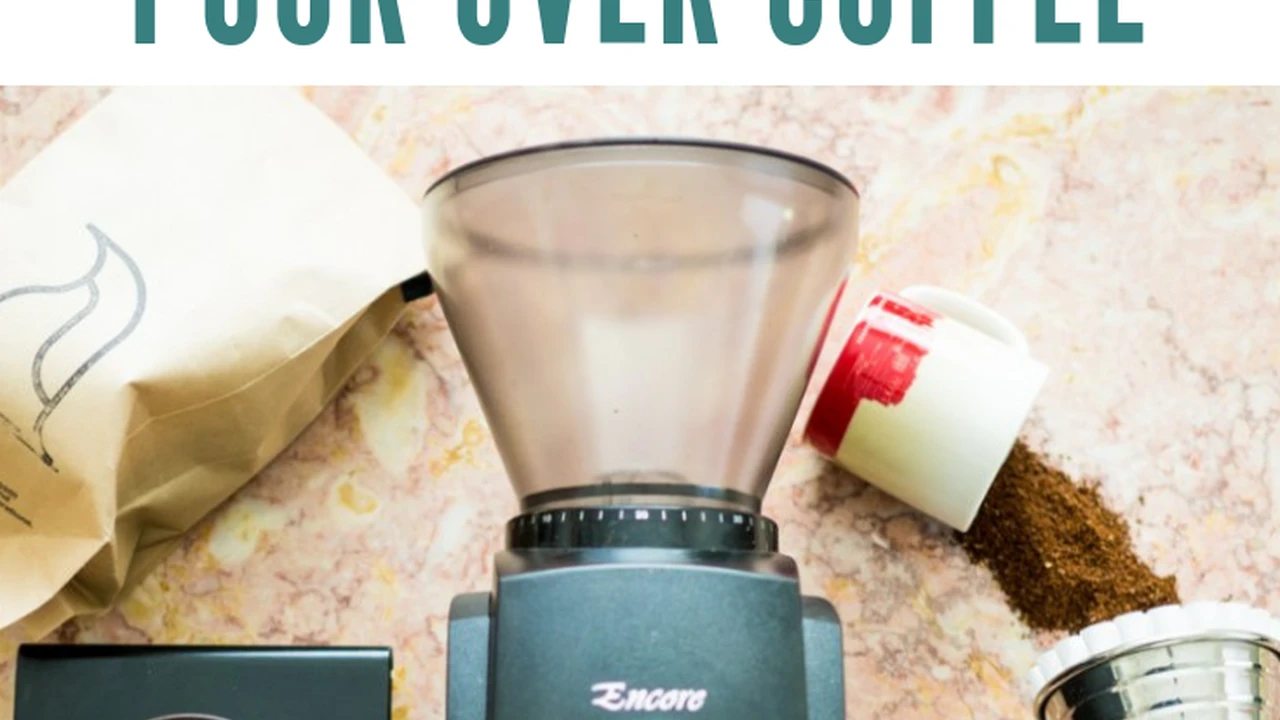
This is non-negotiable. You need coffee ground to an incredibly fine powder. Most standard coffee grinders, even burr grinders, won't get it fine enough. You'll either need a specialized Turkish coffee grinder or buy pre-ground Turkish coffee.
Recommended Grinder Products and Comparisons
1. Zassenhaus Santiago Manual Coffee Grinder (Premium Manual)
- Type: Manual Burr Grinder.
- Features: High-quality steel burrs, very precise grind adjustment, can achieve Turkish fine.
- Use Case: For those who want fresh grounds and enjoy the ritual of manual grinding. Excellent for various brew methods, including Turkish.
- Price Range: $100 - $150.
- Comparison: Durable, consistent, and built to last. A significant upgrade from cheaper manual grinders.
2. Porlex Mini Stainless Steel Coffee Grinder (Portable Manual)
- Type: Manual Ceramic Burr Grinder.
- Features: Compact, portable, ceramic burrs, can achieve a fine grind with effort.
- Use Case: Good for travel or if you only make Turkish coffee occasionally and want a versatile manual grinder.
- Price Range: $40 - $60.
- Comparison: More affordable and portable than the Zassenhaus, but might require more effort for a truly Turkish fine grind.
3. Pre-ground Turkish Coffee (Convenience Option)
- Brands: Kurukahveci Mehmet Efendi, Al-Ameed Coffee, Cafe Najjar.
- Features: Already ground to the perfect consistency, widely available.
- Use Case: Easiest option if you don't have a suitable grinder or want to try Turkish coffee without investing in one.
- Price Range: $5 - $15 per bag.
- Comparison: While fresh grinding is always best, these brands offer a very good and convenient starting point.
Other Useful Tools for Your Turkish Coffee Setup
- Small Spoon: For stirring and serving.
- Demitasse Cups: Traditional small cups for serving Turkish coffee.
- Heat Source: A stovetop (gas or electric) is common. Some traditionalists use hot sand, but that's a whole other level!
The Traditional Turkish Coffee Brewing Method Step by Step
Alright, let's get to the good stuff – brewing! This method is simple but requires a bit of patience and attention to detail to get that perfect foam.
Ingredients for Your Perfect Cup
- Fresh, Cold Water: Filtered water is always best for coffee.
- Finely Ground Turkish Coffee: About 1-2 teaspoons per demitasse cup.
- Sugar (Optional): To taste. Turkish coffee is often served sweet, medium sweet, or unsweetened.
The Brewing Process
Step 1: Measure Your Ingredients
For each demitasse cup you plan to serve, add one full demitasse cup of cold water to your cezve. Then, add 1-2 teaspoons of finely ground Turkish coffee per cup. If you like sugar, add it now. A common ratio is 1 teaspoon of sugar per cup for medium sweet, or more for very sweet. For unsweetened, just skip the sugar.
Step 2: Gentle Stirring
Give the mixture a gentle stir with a small spoon to combine the coffee, water, and sugar. Don't over-stir; just enough to ensure there are no dry clumps of coffee.
Step 3: Heat Slowly and Watch for Foam
Place the cezve over low to medium heat. This is crucial: you want to heat it slowly. As the coffee heats, a dark, rich foam will begin to form on the surface. This foam is called 'köpük' and is highly prized. Do not stir the coffee once the foam starts to form, as this will break it up.
Step 4: Collect the Foam
As the foam rises and approaches the rim of the cezve, carefully spoon a small amount of this foam into each demitasse cup. This ensures everyone gets a share of the coveted foam.
Step 5: The Second Rise (and maybe a third!)
Return the cezve to the heat. The coffee will continue to rise. Just before it boils over, remove it from the heat. You can repeat this process one or two more times (bringing it to the point of rising, then removing from heat) to further develop the flavor and foam. Each time, you'll see the coffee rise and then recede when removed from heat. Be careful not to let it boil vigorously, as this can burn the coffee and destroy the foam.
Step 6: Serve and Settle
After the final rise, pour the coffee slowly into the demitasse cups, distributing any remaining foam evenly. Allow the coffee to sit for a minute or two before drinking. This allows the fine grounds to settle at the bottom of the cup. Do not stir the coffee once it's in the cup, as this will disturb the settled grounds.
Tips for the Best Turkish Coffee Experience
- Freshness is Key: Always use fresh, cold water and freshly ground coffee if possible.
- Don't Boil Vigorously: A gentle, slow heat is essential for developing the foam and preventing bitterness.
- Mind the Foam: The foam is a sign of a well-made Turkish coffee. Don't stir it away!
- Sip Slowly: Turkish coffee is meant to be savored. Sip slowly and enjoy the rich, intense flavor.
- Leave the Grounds: Remember, you don't drink the grounds at the bottom. Stop sipping when you feel the sediment.
- Serve with Water and Sweets: It's traditional to serve Turkish coffee with a glass of cold water to cleanse the palate, and often with a piece of Turkish delight or other sweet treat.
Common Turkish Coffee Mistakes to Avoid
Even though it seems simple, there are a few pitfalls that can ruin your Turkish coffee. Let's make sure you steer clear of them:
Grind Size Matters A Lot
Using coffee that isn't fine enough is probably the most common mistake. If your grind is too coarse, you won't get that characteristic thick body and rich foam. It'll taste watery and lack the intensity Turkish coffee is known for. Invest in a proper grinder or buy pre-ground Turkish coffee.
Over-Boiling Your Brew
Letting the coffee boil vigorously for too long will destroy the foam and can lead to a bitter, burnt taste. The goal is to bring it to the point of rising, then remove it from the heat. It's a delicate dance, not a rolling boil.
Stirring After Foam Forms
Once that beautiful foam starts to appear, resist the urge to stir! Stirring will break up the foam, and you'll lose that essential part of the Turkish coffee experience. Only stir initially to mix the ingredients.
Drinking Too Quickly
Turkish coffee is not a grab-and-go drink. It's meant to be enjoyed slowly, allowing the grounds to settle. If you drink it too fast, you'll end up with a mouthful of gritty coffee grounds, which isn't pleasant.
The Cultural Significance of Turkish Coffee More Than Just a Drink
Turkish coffee is deeply embedded in Turkish culture and beyond. It's a symbol of hospitality, friendship, and tradition. Offering Turkish coffee to guests is a sign of welcome and respect. It's often served during social gatherings, after meals, and for special occasions.
Beyond just drinking, Turkish coffee also has a fascinating tradition of fortune-telling, known as 'tasseography' or 'kahve falı'. After finishing the coffee, the cup is inverted onto its saucer, and once cooled, the patterns left by the coffee grounds are interpreted to reveal insights into the future. It's a fun and mystical aspect of the Turkish coffee experience.
The preparation and serving of Turkish coffee are also part of elaborate rituals, especially in traditional settings. From the way the cezve is handled to the presentation of the cups, every detail contributes to the overall experience. It's a testament to how much a simple beverage can mean to a culture.
Pairing Turkish Coffee What to Enjoy It With
Turkish coffee, with its strong and concentrated flavor, pairs wonderfully with certain foods and experiences. Here are some ideas:
Traditional Sweets and Desserts
The most classic pairing is with Turkish delight (lokum). The sweetness and chewy texture of the lokum perfectly complement the bitterness and intensity of the coffee. Other traditional sweets like baklava, halva, or even simple dates also work beautifully. The idea is to balance the strong coffee with something sweet.
Savory Snacks and Light Bites
While less common, Turkish coffee can also be enjoyed with certain savory items. Think about small pastries, nuts, or even some mild cheeses. The key is to choose something that won't overpower the coffee's distinct flavor but rather provide a contrasting texture or subtle taste.
A Moment of Reflection
Perhaps the best pairing for Turkish coffee is a quiet moment of reflection. It's not a coffee to rush. Sit down, relax, and savor each sip. It's an invitation to slow down and enjoy the present moment, whether you're alone or sharing it with friends and family.
Troubleshooting Common Turkish Coffee Issues
Even with the best intentions, you might run into a few hiccups. Here's how to fix them:
No Foam or Very Little Foam
- Problem: The coffee is boiling too quickly, or you're stirring too much.
- Solution: Reduce the heat to low. Be patient and let the foam build slowly. Avoid stirring once the foam starts to form. Ensure your coffee grind is fine enough.
Bitter Taste
- Problem: Over-extraction due to boiling too long or too high heat.
- Solution: Remove the cezve from the heat as soon as the coffee rises to the rim. Don't let it boil vigorously. Ensure your water quality is good.
Gritty Coffee
- Problem: Not allowing enough time for grounds to settle, or drinking too far down the cup.
- Solution: Let the coffee sit for 1-2 minutes after pouring to allow the grounds to settle. Stop drinking when you feel the sediment at the bottom.
Weak Flavor
- Problem: Not enough coffee grounds, or grind is too coarse.
- Solution: Increase the amount of coffee grounds (e.g., 2 teaspoons per cup). Double-check that your coffee is ground to a super-fine, powdery consistency.
Making Turkish coffee is a rewarding experience that connects you to centuries of tradition. It's a testament to the fact that sometimes, the simplest methods yield the most profound flavors. So, grab your cezve, find some super-fine coffee, and embark on your own Turkish coffee journey. Enjoy the rich aroma, the velvety texture, and the unique ritual of this ancient brew. Happy brewing!
:max_bytes(150000):strip_icc()/277019-baked-pork-chops-with-cream-of-mushroom-soup-DDMFS-beauty-4x3-BG-7505-5762b731cf30447d9cbbbbbf387beafa.jpg)