Understanding Coffee Bean Processing Washed Natural Honey
Explore coffee beans from around the world. Discover unique flavor notes and characteristics from different growing regions.
Explore coffee beans from around the world. Discover unique flavor notes and characteristics from different growing regions.
The Ultimate Guide to Coffee Bean Origins and Flavors
Understanding Coffee Terroir The Foundation of Flavor
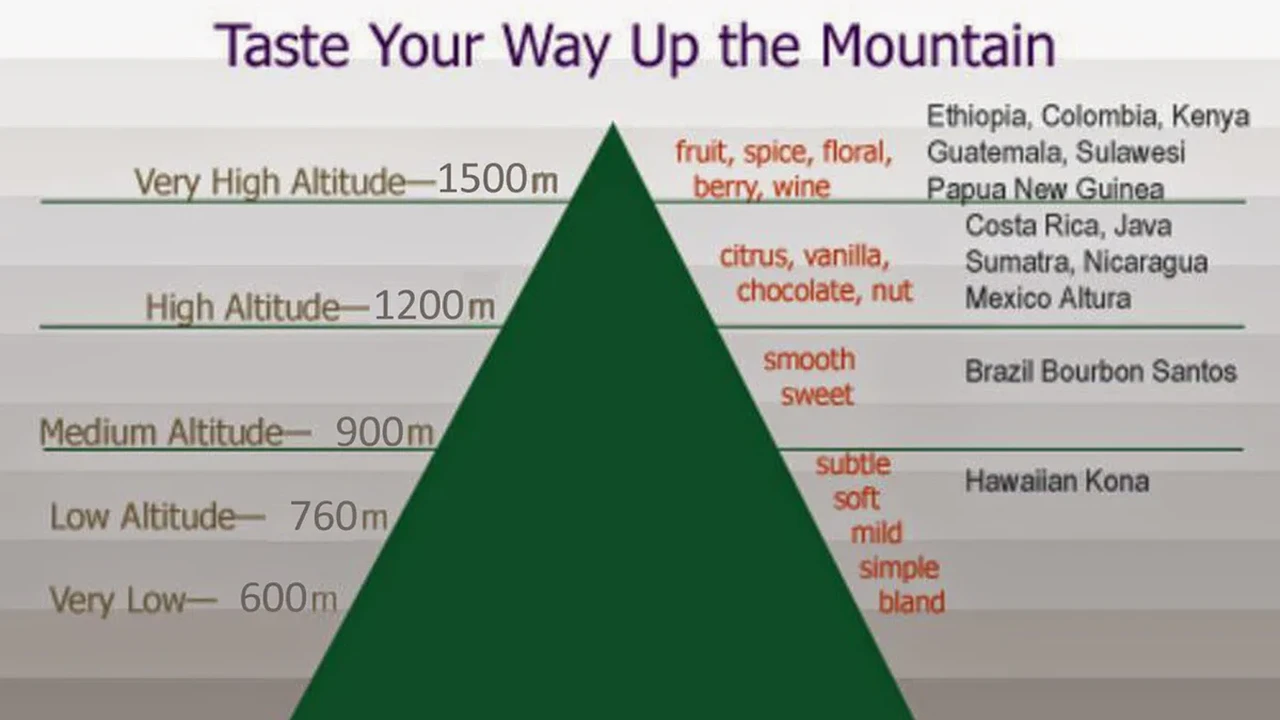
Just like wine, coffee has a concept called 'terroir' – the complete natural environment in which a particular coffee is produced, including factors such as the soil, topography, and climate. These elements, combined with the specific coffee varietal and processing methods, create the unique flavor profile of beans from different regions. Understanding terroir is key to appreciating the vast spectrum of coffee flavors available. It's not just about where the coffee comes from, but how all these environmental factors interact to shape the bean's inherent characteristics. For instance, high-altitude coffees often develop greater acidity and complexity due to slower maturation, while volcanic soils can impart distinct mineral notes. The amount of rainfall, sunlight, and even the specific microclimates within a region all play a crucial role in defining the final cup.
African Coffee Beans Bright Acidity and Floral Notes
Africa is widely considered the birthplace of coffee, and its beans are renowned for their vibrant acidity, complex fruitiness, and often delicate floral notes. The diverse climates and altitudes across the continent contribute to a wide range of flavor profiles.
Ethiopian Coffee The Cradle of Coffee
Ethiopia is where coffee originated, and its beans are celebrated for their incredible diversity and complexity. Ethiopian coffees are often processed using either washed or natural methods, each yielding distinct results.
- Yirgacheffe: Known for its bright, clean, and floral notes, often with hints of lemon, bergamot, and jasmine. Washed Yirgacheffe is particularly prized for its clarity.
- Sidamo: Offers a balanced cup with berry and citrus notes, often with a wine-like acidity.
- Harrar: Typically natural processed, Harrar coffees are wilder and fruitier, with notes of blueberry, strawberry, and sometimes a hint of chocolate.
Recommended Product: Counter Culture Coffee Ethiopian Yirgacheffe Idido. This washed Yirgacheffe is a fantastic example of the region's bright, floral characteristics. It's perfect for pour-over or AeroPress, highlighting its delicate notes. Price: Around $18-22 for 12oz.
Kenyan Coffee Bold and Juicy
Kenyan coffees are famous for their intense, juicy acidity, often described as blackcurrant or tomato-like, with a full body and complex aromatics. The unique processing method, involving a double fermentation, contributes to their distinctive character.
- Flavor Profile: Bright acidity, notes of blackcurrant, citrus, wine, and sometimes savory undertones.
Recommended Product: Blue Bottle Coffee Kenya Nyeri Gatomboya. This coffee exemplifies the classic Kenyan profile with its vibrant acidity and juicy fruit notes. Excellent for drip or French press. Price: Around $20-25 for 12oz.
Rwandan and Burundian Coffee Emerging Gems
These East African nations are producing increasingly high-quality coffees, often with a clean, sweet profile, bright acidity, and notes of citrus, berries, and sometimes caramel.
Latin American Coffee Beans Balanced and Sweet
Latin America is the largest coffee-producing region in the world, known for its consistent, well-balanced, and often sweet coffees. These beans typically have medium acidity and body, making them versatile for various brewing methods.
Colombian Coffee The Classic Cup
Colombia is synonymous with quality coffee, often characterized by a medium body, bright acidity, and notes of chocolate, nuts, and citrus. The country's diverse microclimates allow for year-round harvesting.
- Flavor Profile: Balanced, sweet, with notes of chocolate, caramel, nuts, and sometimes red fruit.
Recommended Product: La Colombe Nizza Blend. While a blend, it heavily features Colombian beans, offering a classic, balanced, and approachable profile with notes of nuts and chocolate. Great for espresso or drip. Price: Around $15-18 for 12oz.
Brazilian Coffee Low Acidity and Nutty
Brazil is the world's largest coffee producer, and its beans are often used as a base for espresso blends due to their low acidity, heavy body, and prominent nutty and chocolatey notes.
- Flavor Profile: Low acidity, heavy body, notes of chocolate, nuts, caramel, and sometimes a hint of spice.
Recommended Product: Peet's Coffee Brazil Minas Naturais. This single-origin Brazilian coffee showcases the typical low acidity and rich, nutty, chocolatey flavors. Ideal for espresso or French press. Price: Around $14-17 for 12oz.
Central American Coffee Bright and Clean
Countries like Costa Rica, Guatemala, and Honduras produce excellent coffees with distinct characteristics.
- Costa Rica: Known for clean, bright, and well-balanced coffees with notes of citrus, honey, and sometimes stone fruit.
- Guatemala: Often features a full body, bright acidity, and notes of chocolate, nuts, and sometimes floral or spicy undertones.
- Honduras: Offers a balanced cup with notes of chocolate, caramel, and a mild fruitiness.
Recommended Product: Stumptown Coffee Roasters Guatemala Finca El Injerto Pacamara. A premium example of Guatemalan coffee, often showcasing complex floral and fruity notes with a clean finish. Best for pour-over. Price: Can be higher, around $25-30 for 12oz due to its specialty nature.
Asian and Pacific Coffee Beans Earthy and Full-Bodied
This region is known for its unique processing methods and coffees with distinct earthy, spicy, and full-bodied characteristics, often with lower acidity.
Indonesian Coffee Bold and Earthy
Indonesia, particularly Sumatra, is famous for its Giling Basah (wet-hulled) processing method, which results in coffees with a heavy body, low acidity, and unique earthy, woody, and sometimes spicy notes.
- Sumatra Mandheling: Known for its deep, earthy, chocolatey, and sometimes tobacco-like flavors with a syrupy body.
- Java: Often cleaner than Sumatran, with a slightly brighter acidity and notes of dark chocolate and spice.
Recommended Product: Starbucks Sumatra. While a large chain, their Sumatra is a widely accessible and representative example of the region's bold, earthy profile. Good for drip or French press. Price: Around $12-15 for 12oz.
Vietnamese Coffee Strong and Robusta
Vietnam is the world's second-largest coffee producer, primarily growing Robusta beans. These are known for their strong, bold flavor, high caffeine content, and often rubbery or chocolatey notes. They are commonly used in traditional Vietnamese iced coffee with condensed milk.
Papua New Guinea Coffee Balanced and Fruity
Often compared to Indonesian coffees but with a cleaner, brighter profile. Papua New Guinea beans can offer a balanced cup with notes of chocolate, fruit, and a pleasant acidity.
Comparing Flavor Profiles and Brewing Applications
Understanding the typical flavor profiles of different origins helps you choose the right beans for your preferred brewing method and taste preferences.
Espresso Blends The Art of Combination
Many espresso blends combine beans from different regions to achieve a balanced shot with good crema, body, and flavor. A common approach is to use a Brazilian bean for body and crema, a Colombian for balance and sweetness, and an Ethiopian or Central American for brightness and complexity.
Comparison:
- Dark Roast Espresso (e.g., Italian style): Often features a higher percentage of Brazilian or Indonesian beans for a bold, low-acid, chocolatey profile.
- Medium Roast Espresso (e.g., Third Wave style): Might incorporate more African or Central American beans for a brighter, fruitier, and more complex shot.
Recommended Product: Intelligentsia Black Cat Classic Espresso. A popular blend known for its consistent chocolate and caramel notes, with a hint of fruit. Excellent for espresso, but also works well as drip. Price: Around $17-20 for 12oz.
Pour Over and Drip Coffee Highlighting Nuance
For pour-over and drip methods, single-origin coffees from Africa or Central America are often preferred as they allow the delicate floral, fruity, and acidic notes to shine through.
Comparison:
- Ethiopian Yirgacheffe (Washed): Ideal for pour-over to emphasize its bright, tea-like, and floral characteristics.
- Colombian Supremo: Great for a balanced, everyday drip coffee with pleasant sweetness and nutty notes.
French Press and Cold Brew Full Body and Low Acidity
For methods that emphasize body and lower acidity, such as French press or cold brew, beans from Brazil or Indonesia are often excellent choices due to their inherent characteristics.
Comparison:
- Brazilian Cerrado: Perfect for French press, delivering a rich, full-bodied cup with chocolate and nut flavors.
- Sumatra Mandheling: Excellent for cold brew, providing a smooth, earthy, and low-acid concentrate.
The Impact of Processing Methods on Flavor
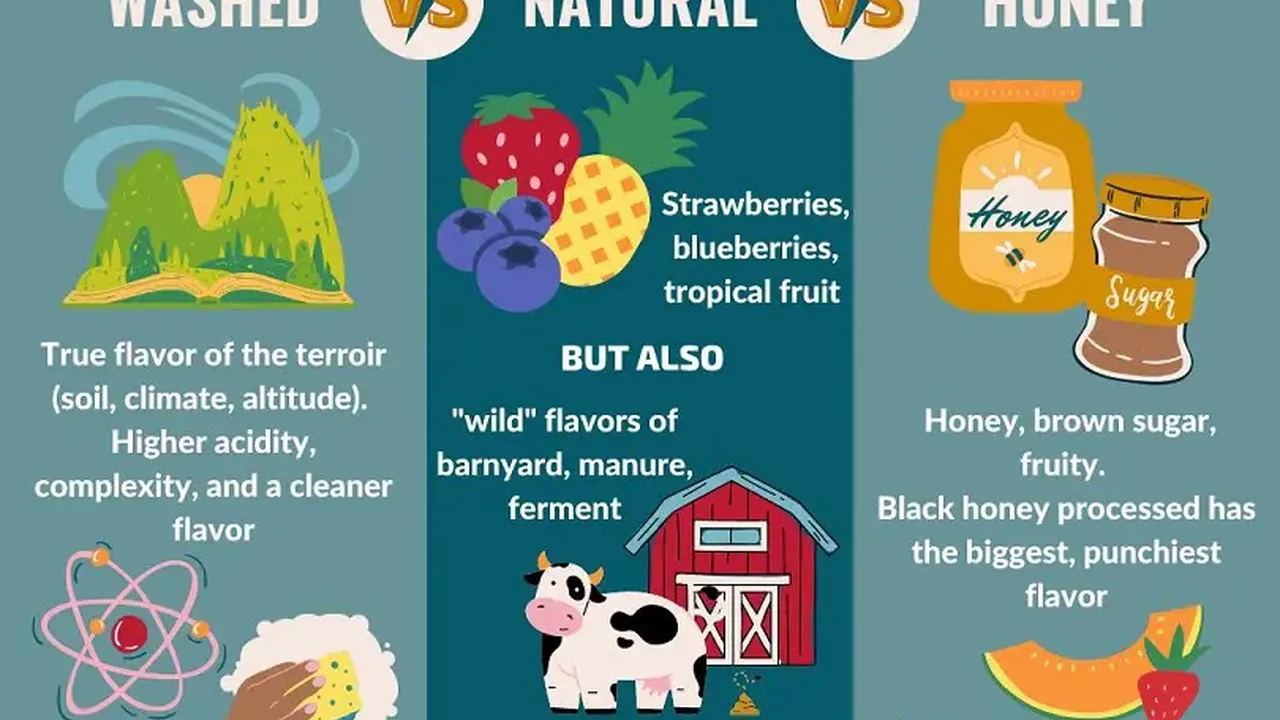
Beyond origin, the way coffee cherries are processed significantly influences the final flavor. The three main methods are washed, natural, and honey.
Washed Process Clean and Bright
In the washed process, the fruit is removed from the coffee bean before drying. This method typically results in a cleaner, brighter cup with higher acidity and more distinct flavor notes, allowing the inherent characteristics of the bean to shine through. Most African and Central American coffees use this method.
Natural Process Fruity and Full-Bodied
The natural (or dry) process involves drying the entire coffee cherry with the bean inside. This allows the fruit's sugars to impart flavor to the bean, resulting in a fruitier, sweeter, and often more full-bodied cup with lower acidity. Ethiopian Harrar and many Brazilian coffees are natural processed.
Honey Process Sweet and Balanced
The honey process is a hybrid method where some or all of the fruit's mucilage (the sticky layer) is left on the bean during drying. This can result in a sweet, balanced cup with characteristics between washed and natural, often with a syrupy body and complex fruit notes. It's particularly popular in Costa Rica.
Exploring Micro-Lots and Specialty Coffee
Beyond broad regional characteristics, the world of specialty coffee delves into 'micro-lots' – small, specific plots within a farm that produce exceptional beans with unique profiles. These coffees are often highly sought after and can offer incredibly distinct and nuanced flavors.
Example: A specific micro-lot from a farm in Panama's Boquete region might produce a Geisha varietal with intense floral, citrus, and tea-like notes, commanding premium prices. These are often roasted by specialty roasters who highlight their unique characteristics.
Recommended Product: Gesha Village Coffee Estate Gesha 1931 Natural Process. This is a high-end, specialty coffee that exemplifies the unique flavors possible from specific varietals and processing. Expect intense fruit and floral notes. Price: Varies wildly, often $50+ for a small bag (e.g., 4oz or 100g).
Tips for Discovering Your Favorite Coffee Origins
The best way to find your preferred coffee origins and flavors is to experiment. Here are some tips:
- Buy Single Origin Beans: Focus on one origin at a time to understand its unique characteristics.
- Try Different Roasters: Even the same origin can taste different depending on the roaster's approach.
- Experiment with Brewing Methods: Some origins shine brighter with specific brewing techniques.
- Take Tasting Notes: Keep a journal of what you taste and what you like.
- Visit Local Coffee Shops: Many specialty coffee shops offer a rotating selection of single-origin coffees.
- Join a Coffee Subscription Service: Many services curate selections from different origins, introducing you to new flavors regularly.
The world of coffee origins and flavors is vast and exciting. By understanding the influence of terroir, processing, and varietals, you can embark on a delicious journey of discovery, finding the perfect beans to suit your palate and elevate your home brewing experience.
:max_bytes(150000):strip_icc()/277019-baked-pork-chops-with-cream-of-mushroom-soup-DDMFS-beauty-4x3-BG-7505-5762b731cf30447d9cbbbbbf387beafa.jpg)