Understanding Coffee Bean Freshness and Roast Dates
Learn why fresh coffee beans are crucial for taste. Understand the importance of roast dates and how they impact flavor.
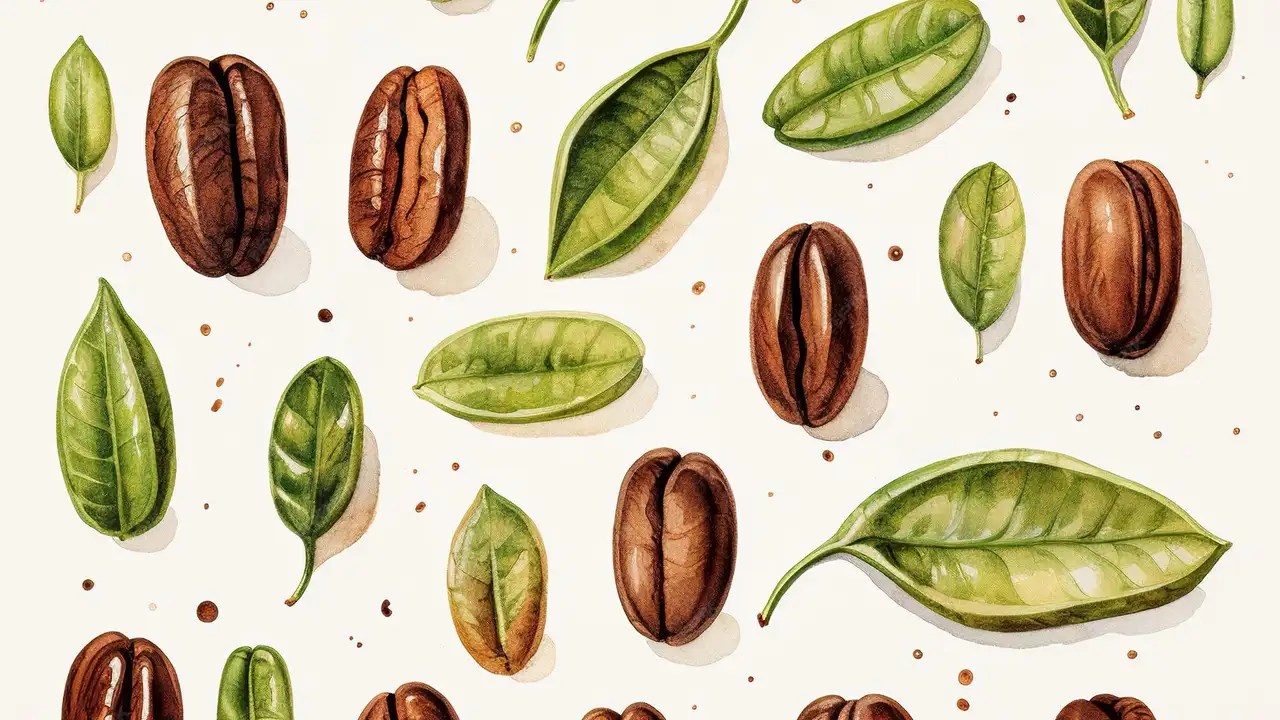
Learn why fresh coffee beans are crucial for taste. Understand the importance of roast dates and how they impact flavor.
Understanding Coffee Bean Freshness and Roast Dates
Hey coffee lovers! Ever wondered why some cups of coffee taste absolutely divine, bursting with vibrant flavors, while others fall flat, tasting stale or just… meh? The secret often lies in one crucial factor: freshness. Just like bread or fruit, coffee beans are at their best when they're fresh. And the key indicator of that freshness? The roast date. This isn't just a random number on a bag; it's a vital piece of information that tells you everything about the potential of your brew.
Why Freshness Matters The Science of Flavor Degradation
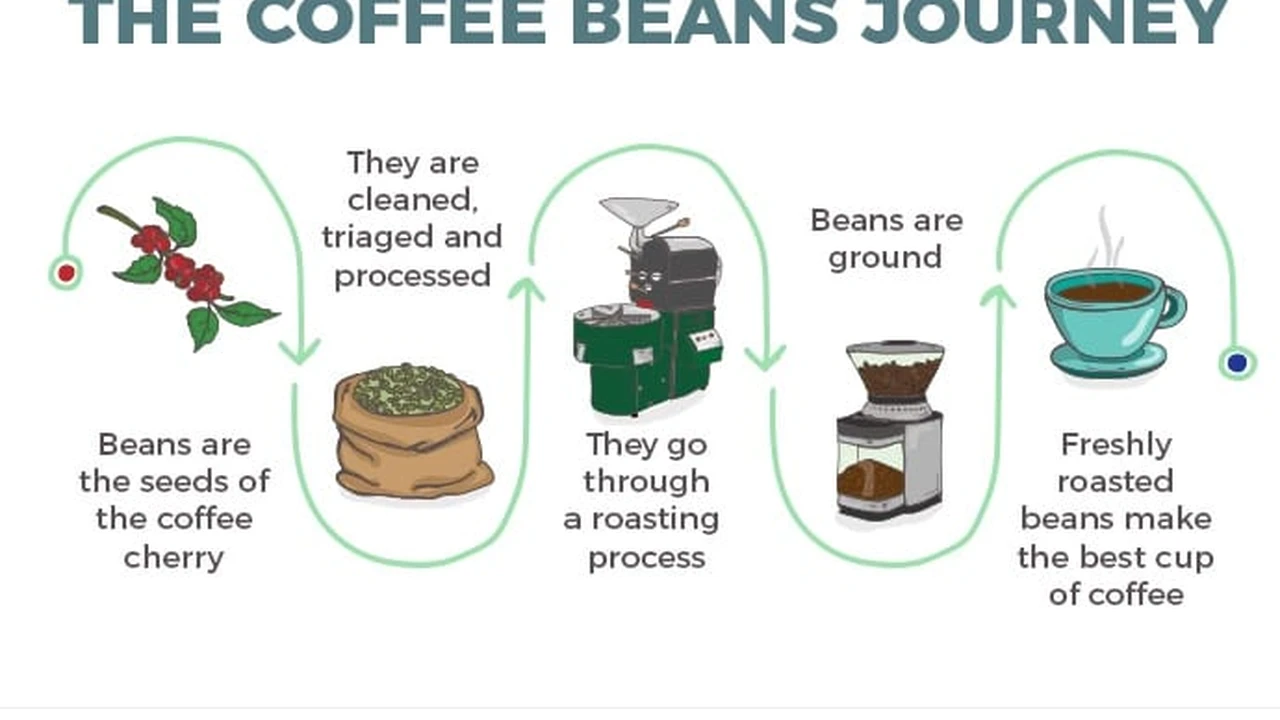
Coffee beans are complex little wonders, packed with thousands of aromatic compounds that contribute to their unique flavors and aromas. These compounds are volatile, meaning they start to degrade and dissipate the moment they're exposed to air, light, and moisture. Roasting is the process that unlocks these flavors, but it also kickstarts the clock on their freshness. Once roasted, coffee beans begin to degas, releasing carbon dioxide. While some degassing is good (it helps create that beautiful crema in espresso), too much means the beans are losing their precious aromatics. Over time, the oils in the beans can also go rancid, leading to unpleasant, bitter, or cardboard-like flavors. Think of it like a freshly baked cookie versus one that's been sitting out for a week. The difference is palpable, and the same goes for coffee.
Decoding the Roast Date Your Freshness Compass
The roast date is your most important tool for gauging coffee freshness. Unlike a 'best by' or 'expiration' date, which can be vague and often refer to when the coffee might start tasting bad, the roast date tells you exactly when the beans were transformed from green to roasted. This is crucial because the peak flavor window for coffee is relatively short. Generally, coffee is at its best anywhere from 5-7 days after roasting up to about 4-6 weeks. After that, while it might still be drinkable, you'll notice a significant decline in flavor complexity and aroma.
Where to Find the Roast Date on Coffee Packaging
Reputable coffee roasters proudly display the roast date on their packaging. You'll typically find it stamped or printed on the bag, often near the bottom, on the side, or on a label. It might be labeled as 'Roast Date,' 'Roasted On,' or simply a date code. If a bag of coffee doesn't have a roast date, that's a red flag. It usually means the coffee is mass-produced and likely stale, or at least past its prime. Always prioritize coffee with a clear, visible roast date.
The Ideal Freshness Window Brewing for Peak Flavor
So, you've got your freshly roasted beans. When should you brew them? It's not immediately after roasting. Coffee needs a few days to 'rest' and degas. This allows the carbon dioxide to escape, preventing overly sour or gassy flavors in your brew. For most brewing methods, a sweet spot is usually 7-14 days post-roast. For espresso, which is more sensitive to degassing, you might want to wait a bit longer, perhaps 10-21 days, to ensure stable extraction and beautiful crema.
Optimizing Your Brew with Fresh Beans
When using fresh beans, you might notice a few things. They'll smell incredibly aromatic when you open the bag. When you grind them, the aroma will intensify. During brewing, especially with pour-over or espresso, you'll see a more vigorous 'bloom' (the bubbling and rising of the coffee bed when hot water hits it), indicating active degassing. This bloom is a visual cue of freshness and helps with even extraction.
Factors Affecting Coffee Freshness Beyond the Roast Date
While the roast date is paramount, other factors play a significant role in preserving your coffee's freshness once it's in your hands. Understanding these can help you extend the life of your beans and enjoy better coffee for longer.
Storage Solutions Protecting Your Precious Beans
The four enemies of coffee freshness are air, light, moisture, and heat. To combat these, proper storage is essential. An airtight, opaque container stored in a cool, dark place is your best bet. Avoid clear containers, as light can degrade the beans. And please, don't store your coffee in the refrigerator or freezer for daily use. While freezing can extend the life of large quantities for long-term storage, frequent temperature fluctuations from taking it in and out can introduce moisture and freezer burn, damaging the beans.
Recommended Storage Products for Home Baristas
- Fellow Atmos Vacuum Canister: This popular option features an integrated vacuum pump that removes air, creating an airtight seal. It comes in various sizes and colors, making it both functional and stylish. Prices range from $30-$45 depending on size.
- Airscape Coffee Canister: The Airscape uses a patented inner lid that forces air out and locks it away. It's durable, made from stainless steel, and comes in different capacities. Expect to pay around $25-$40.
- Coffee Gator Stainless Steel Canister: This canister includes a CO2 release valve to let gases escape while keeping oxygen out. It often comes with a date tracker on the lid to remind you when you opened the bag. Typically priced around $20-$30.
Grinding Freshness The Moment of Truth
Grinding coffee beans increases their surface area exponentially, accelerating the rate at which they lose freshness. This is why grinding your beans just before brewing is one of the most impactful steps you can take to improve your coffee. Pre-ground coffee, even if it was roasted recently, will lose its vibrancy much faster than whole beans.
Top Grinders for Preserving Freshness
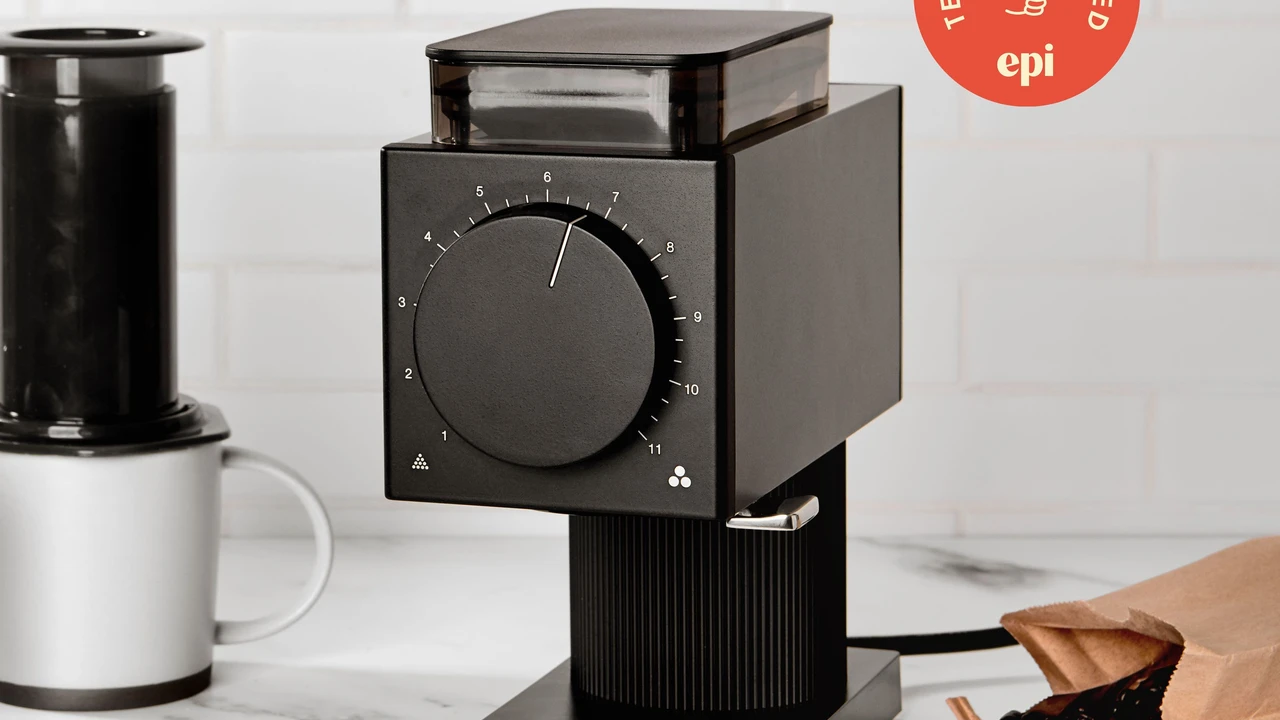
Investing in a good burr grinder is non-negotiable for serious home baristas. Burr grinders provide a consistent grind size, which is crucial for even extraction and superior flavor.
- Baratza Encore (Electric): A fantastic entry-level electric burr grinder, known for its consistency and durability. Great for drip, pour-over, and French press. Around $170.
- Comandante C40 MK4 (Manual): If you're looking for precision and portability, this manual grinder is top-tier. It produces incredibly consistent grinds, especially for espresso and pour-over. Priced around $280-$300.
- Niche Zero (Electric): A popular single-dose grinder, meaning you only grind the exact amount of beans you need, minimizing waste and maximizing freshness. Excellent for espresso and all brew methods. Around $600-$700.
The Impact of Stale Coffee What to Expect
So, what happens if you brew with stale coffee? You'll likely notice a significant drop in quality. The vibrant aromas will be muted or absent. The flavors will be flat, dull, or even bitter and woody. You might miss those delicate fruity or floral notes that were present when the coffee was fresh. The body might feel thin, and the overall experience will be less satisfying. For espresso, stale beans will produce very little crema, and the shots will often run too fast, tasting watery and sour.
When to Discard Coffee Beans A Practical Guide
While coffee doesn't truly 'spoil' in the way food does (it won't make you sick), it does become unpleasant to drink. As a general rule, if your coffee beans are more than 6-8 weeks past their roast date, they've likely lost most of their desirable characteristics. If you've stored them poorly, this degradation can happen even faster. Trust your senses: if the beans don't smell appealing when you open the bag, or if the brewed coffee tastes off, it's probably time to compost them and get a fresh batch.
Embracing Freshness The Home Barista Advantage
Understanding and prioritizing coffee bean freshness is a game-changer for any home barista. It's the foundation upon which all other brewing techniques and equipment build. By paying attention to roast dates, storing your beans correctly, and grinding fresh, you're setting yourself up for consistently delicious coffee experiences. It's a small effort that yields massive rewards in your daily cup. So go forth, seek out those roast dates, and enjoy the incredible flavors that truly fresh coffee has to offer!
:max_bytes(150000):strip_icc()/277019-baked-pork-chops-with-cream-of-mushroom-soup-DDMFS-beauty-4x3-BG-7505-5762b731cf30447d9cbbbbbf387beafa.jpg)