The Evolution of Espresso Machine Technology
Trace the history and advancements in espresso machine technology. From lever machines to modern automatic brewers.
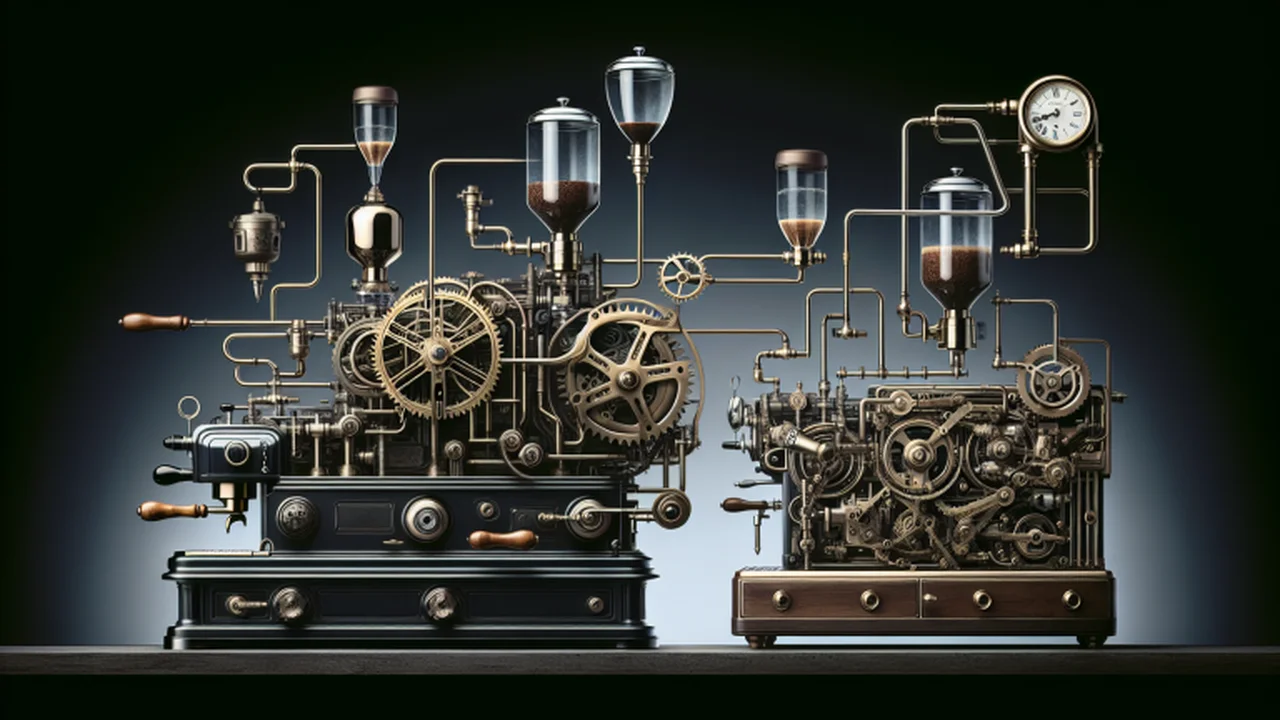
Trace the history and advancements in espresso machine technology. From lever machines to modern automatic brewers.
The Evolution of Espresso Machine Technology
Early Espresso Machine Innovations and Their Impact
Let's take a trip back in time, way before your fancy smart espresso machine was even a twinkle in an inventor's eye. The story of espresso machines is a fascinating journey of innovation, driven by a desire for faster, more efficient coffee brewing. It all started in the late 19th century in Italy, a country synonymous with coffee culture. Before espresso, coffee was brewed slowly, often in large batches, and the quality could be inconsistent. People wanted something quicker, something that could deliver a fresh, strong cup on demand.
The very first patents for espresso machines emerged in the late 1800s. Angelo Moriondo of Turin is often credited with one of the earliest patents in 1884 for a steam-powered coffee machine. His invention focused on making coffee quickly for large groups, like in cafes and restaurants. It wasn't quite the espresso we know today, but it laid the groundwork by using steam pressure to extract coffee more rapidly. Think of it as the great-grandparent of your modern machine – a bit clunky, perhaps, but revolutionary for its time.
Then came Luigi Bezzera and Desiderio Pavoni in the early 1900s. Bezzera patented improvements to Moriondo's design, and Pavoni bought the patent and started manufacturing the machines. These early machines, like the 'Ideale' from Pavoni, were still steam-driven. They used high steam pressure to force water through finely ground coffee. The result was a strong, concentrated coffee, but it often tasted burnt or bitter due to the extremely high temperatures of the steam. This was because the water was boiling, and boiling water extracts undesirable flavors from the coffee grounds. Despite this, these machines were a huge step forward, allowing cafes to serve coffee much faster than traditional methods. They were big, beautiful, and often adorned with brass and copper, becoming a centerpiece in Italian cafes.
The impact of these early innovations was profound. They transformed coffee service, making it possible to serve individual portions of strong, fresh coffee quickly. This speed was crucial for the bustling urban environments of the early 20th century. It also started to define what 'espresso' was – a small, concentrated shot of coffee. While the taste wasn't perfect by today's standards, it was a significant improvement in speed and convenience, setting the stage for all the advancements that would follow.
The Lever Machine Era A Hands On Approach
Fast forward a few decades, and we enter the era of the lever machine, a pivotal moment in espresso history. This is where we start to see the 'crema' – that beautiful, reddish-brown foam on top of an espresso shot – truly emerge. The problem with the early steam-driven machines was the superheated water, which scorched the coffee. The solution? Lower the temperature and increase the pressure, but not with steam directly.
Achille Gaggia, a Milanese bar owner, is the hero of this chapter. In 1947, he patented a revolutionary design that used a spring-piston lever system. Instead of relying solely on steam pressure, the barista would pull a lever, which would compress a spring. This spring, in turn, would force hot (but not boiling) water through the coffee grounds at a much higher and more consistent pressure than steam alone could provide. This innovation was a game-changer. The lower temperature prevented the coffee from burning, and the higher pressure extracted more oils and solids, resulting in a richer, more aromatic, and less bitter shot with that coveted layer of crema.
Gaggia's machines, like the Gaggia Classica, became incredibly popular. They required skill and strength from the barista, as pulling the lever was a physical act. This hands-on approach became part of the espresso ritual, and baristas were seen as true artisans. The lever machine era also saw the rise of iconic designs that are still admired today. Think of the sleek, often chrome-plated machines that became symbols of Italian cafe culture.
While lever machines are less common in commercial settings today, they still have a dedicated following among home baristas and enthusiasts. Why? Because they offer unparalleled control over the brewing process. You can feel the resistance of the coffee puck, adjust your pull, and truly connect with the espresso-making process. For example, the La Pavoni Europiccola (around $800-$1,200) is a classic example of a home lever machine. It's compact, beautiful, and capable of producing incredible espresso if you master its nuances. Another popular choice is the Flair Espresso Maker (various models from $160-$400), which is a fully manual, portable lever press that has gained immense popularity for its ability to produce cafe-quality shots without electricity. These machines are for those who love the ritual, the control, and the satisfaction of crafting each shot by hand. They might not be for everyone, especially if you're looking for speed and convenience, but for the purist, they're a joy.
The Rise of Pump Driven Machines Automation and Consistency
While lever machines brought us crema, they were still quite manual and required significant effort. The next big leap in espresso machine technology came with the introduction of pump-driven machines. This innovation moved away from the physical act of pulling a lever and towards automated pressure generation, leading to greater consistency and ease of use.
The first pump-driven machines started appearing in the 1960s. Instead of a spring-piston, these machines used an electric pump to force water through the coffee grounds. This meant that the pressure could be precisely controlled and maintained throughout the extraction process, leading to more consistent shots regardless of the barista's strength or technique. Faema's E61 group head, introduced in 1961, was a monumental development in this regard. The E61 group head incorporated a pre-infusion system, which gently wets the coffee grounds before full pressure is applied. This allows the coffee to expand evenly, leading to a more uniform extraction and a better-tasting shot. The E61 design became so influential that variations of it are still found in many high-end espresso machines today.
The shift to pump-driven technology made espresso machines more accessible and easier to operate, both in commercial settings and eventually for home use. Baristas no longer needed to be strong to pull a shot; they just needed to understand the parameters. This led to a boom in espresso consumption worldwide, as cafes could serve more customers more quickly and with greater consistency.
For home baristas, pump-driven machines offer a fantastic balance of control and convenience. They come in various forms, from semi-automatic to super-automatic. Let's look at some popular examples:
Semi-Automatic Espresso Machines for Home Baristas
These are perhaps the most popular type for home enthusiasts. They use an electric pump, but you control the grind, dose, tamp, and shot duration. This gives you significant control over the final product. You're still very much involved in the process, but the machine handles the pressure.
- Breville Barista Express Impress (around $700-$800): This machine is a fantastic all-in-one option for beginners and intermediate users. It features an integrated conical burr grinder and an intelligent dosing system that helps you get the right amount of coffee. The 'Impress Puck System' provides assisted tamping, making it easier to achieve consistent pressure. It's known for its user-friendliness and ability to produce decent espresso and steam milk for lattes. It's a great choice if you want a relatively compact setup that includes a grinder and helps guide you through the process.
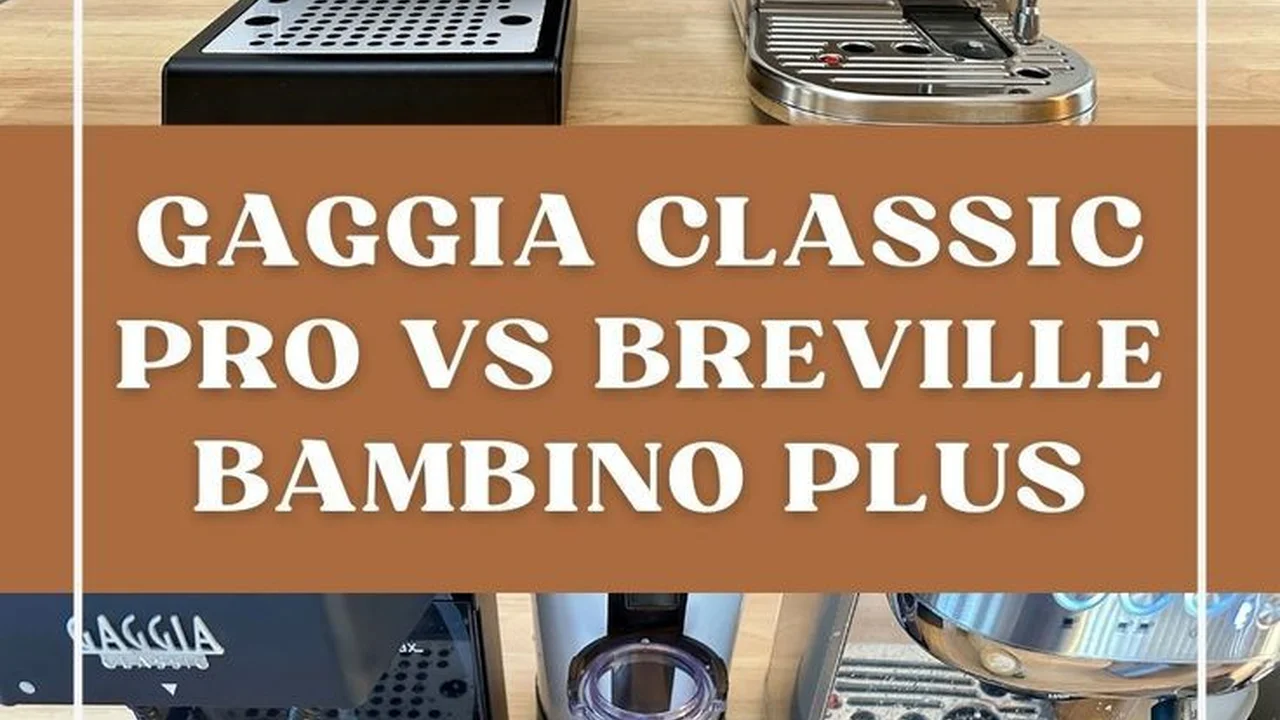
- Gaggia Classic Pro (around $450-$550): A legendary machine in the home barista community, the Gaggia Classic Pro is a workhorse. It's known for its durability, simple design, and excellent steam wand for milk frothing. It doesn't have an integrated grinder, so you'll need a separate one (which is often recommended for better grind quality). The Classic Pro is a favorite for those who want to learn the art of espresso making, as it requires more manual input but rewards you with high-quality shots once mastered. It's also highly moddable, allowing enthusiasts to upgrade components for even better performance.
- Rancilio Silvia (around $800-$900): Another iconic single-boiler machine, the Rancilio Silvia is built like a tank. It's known for its robust construction and powerful steam wand. Like the Gaggia Classic Pro, it requires a separate grinder and a bit of a learning curve, but it's capable of producing excellent espresso and microfoam. It's a popular choice for those looking for a durable, long-lasting machine that can grow with their skills.
Automatic and Super-Automatic Espresso Machines for Convenience
These machines take automation to the next level. Automatic machines typically handle the brewing process once you've ground and dosed the coffee, stopping the shot automatically. Super-automatic machines do everything at the touch of a button – grinding, dosing, tamping, brewing, and even milk frothing.
- DeLonghi Dinamica Plus (around $1,000-$1,300): This super-automatic machine offers incredible convenience. It has an integrated burr grinder, a touch display, and a wide range of pre-programmed coffee drinks, including lattes and cappuccinos, which it makes with its automatic milk system. It's perfect for those who want cafe-quality drinks with minimal effort and cleanup. The Dinamica Plus is praised for its intuitive interface and consistent results.
- Jura ENA 8 (around $1,500-$2,000): Jura is known for its premium super-automatic machines, and the ENA 8 is a compact yet powerful option. It features Jura's Pulse Extraction Process (P.E.P.) for optimized extraction time, ensuring maximum flavor. It has a sleek design, a color display, and can make a variety of specialty coffees at the touch of a button. It's an investment, but it delivers exceptional convenience and quality for those who prioritize ease of use and consistent results.
- Philips 3200 Series LatteGo (around $700-$900): This super-automatic machine is a great mid-range option. It features an integrated ceramic burr grinder and the unique LatteGo milk system, which is incredibly easy to clean and produces smooth milk foam. It can make several coffee varieties, including espresso, coffee, cappuccino, and latte macchiato, all at the touch of a button. It's a popular choice for families or individuals who want convenience without breaking the bank.
The transition to pump-driven machines truly democratized espresso, making it accessible to a wider audience and paving the way for the home barista movement we see today. They offer a balance of consistency and control, allowing users to enjoy high-quality espresso without the physical demands of a lever machine.
Modern Advancements Smart Features and Precision Control
In recent years, espresso machine technology has continued to evolve at a rapid pace, bringing us into an era of smart features, unparalleled precision, and even greater user-friendliness. It's not just about pulling a shot anymore; it's about optimizing every single variable to achieve the perfect cup, often with the help of advanced electronics and connectivity.
Temperature Stability and PID Controllers
One of the most significant advancements has been in temperature control. The temperature of the water during extraction is critical for flavor. Even a few degrees can make a huge difference. Modern machines often incorporate PID (Proportional-Integral-Derivative) controllers. A PID controller is a sophisticated algorithm that constantly monitors and adjusts the boiler temperature, ensuring it remains incredibly stable throughout the brewing process. This eliminates temperature fluctuations that can lead to inconsistent shots. Many high-end home machines and almost all commercial machines now feature PID control, allowing baristas to dial in the exact temperature for different beans and roast levels.
Pressure Profiling and Flow Control
Beyond just consistent pressure, some advanced machines now offer pressure profiling or flow control. This allows the barista to manipulate the pressure or flow rate during different stages of the extraction. For example, you might start with a lower pressure for pre-infusion, ramp it up to a higher pressure for the main extraction, and then taper it off towards the end. This level of control can unlock new flavors and textures in the coffee, allowing for experimentation and fine-tuning that was previously only possible on very high-end commercial machines. For example, the Decent Espresso DE1PRO (around $3,500-$4,500) is a prime example of a home machine that offers extensive pressure and flow profiling capabilities, controlled via a tablet interface. It's a highly technical machine for those who want to dive deep into the science of espresso.
Integrated Grinders and Dosing Systems
While separate grinders are often recommended for optimal quality, many modern home machines, especially super-automatics and some semi-automatics, now come with integrated grinders. These have improved significantly in quality, offering conical burrs and multiple grind settings. Some even feature intelligent dosing systems that automatically weigh or measure the correct amount of coffee for your shot, reducing waste and improving consistency. The Breville Barista Touch Impress (around $1,200-$1,500) is a great example, combining an integrated grinder with a touch screen interface and assisted tamping for ease of use.
Smart Connectivity and App Control
The 'smart home' trend has also reached espresso machines. Some high-end models now offer Wi-Fi connectivity and can be controlled via a smartphone app. This allows you to pre-heat your machine remotely, schedule brewing times, customize drink recipes, and even receive maintenance alerts. While perhaps not essential for everyone, it adds a layer of convenience and customization for the tech-savvy barista. For instance, the Smarter Coffee Machine (around $200-$300) offers app control for basic drip coffee, while some higher-end super-automatics like certain Jura models (e.g., Jura Z10, around $3,500-$4,000) integrate app control for advanced customization and remote operation.
User Interfaces and Touchscreens
Gone are the days of just a few buttons and knobs. Many modern machines feature intuitive touchscreens and digital displays, making it easier to navigate settings, select drink profiles, and get feedback on the brewing process. These interfaces often guide the user through steps like cleaning cycles or descaling, simplifying maintenance.
Energy Efficiency and Sustainability
As environmental awareness grows, manufacturers are also focusing on making machines more energy-efficient. Features like automatic shut-off, faster heat-up times, and improved insulation help reduce power consumption. Some brands are also exploring more sustainable materials and manufacturing processes.
These modern advancements have made espresso brewing more precise, more convenient, and more accessible than ever before. Whether you're a beginner looking for a simple, automated solution or an experienced enthusiast seeking ultimate control, there's a modern espresso machine designed to meet your needs and elevate your home coffee experience.
The Future of Espresso Machines What to Expect Next
So, what's next for espresso machine technology? It's an exciting time, and we can expect even more innovation driven by artificial intelligence, sustainability, and a continued push for personalization and ease of use.
AI and Machine Learning for Perfect Extraction
Imagine an espresso machine that learns from your preferences and adjusts its brewing parameters automatically. AI and machine learning could play a significant role in optimizing extraction. Machines might analyze the coffee beans (perhaps through optical sensors), assess the grind size, and then dynamically adjust temperature, pressure, and flow rate in real-time to achieve the ideal shot. This could lead to truly 'adaptive' brewing, where the machine compensates for subtle variations in beans or grind, ensuring consistency even for novice users. We might see machines that can 'taste' the espresso and provide feedback or make adjustments.
Enhanced Personalization and Customization
The trend towards personalization will undoubtedly continue. Future machines might offer even more granular control over every aspect of the drink, allowing users to create and save highly specific profiles for different beans or moods. This could extend beyond just espresso to milk texturing, with machines capable of producing a wider range of milk consistencies for various drinks, or even plant-based milk alternatives with perfect foam.
Greater Sustainability and Eco-Friendly Designs
As environmental concerns become more pressing, espresso machine manufacturers will likely focus even more on sustainability. This could mean:
- More Recyclable Materials: Using materials that are easier to recycle or have a lower environmental impact in their production.
- Reduced Water Waste: More efficient heating systems and brewing processes that minimize water consumption.
- Energy Harvesting: Potentially incorporating small-scale energy harvesting (e.g., from waste heat) to further reduce power consumption.
- Modular Designs: Machines designed for easier repair and component replacement, extending their lifespan and reducing electronic waste.
Advanced Sensor Technology
Expect more sophisticated sensors to be integrated into machines. This could include sensors that analyze the coffee puck's density, monitor extraction flow rates with extreme precision, or even detect subtle changes in water quality. This data could then be used by the machine's AI to fine-tune the brewing process or provide detailed feedback to the user.
Integration with Smart Home Ecosystems
Espresso machines will likely become even more seamlessly integrated into smart home ecosystems. Imagine your machine automatically starting to pre-heat when your alarm goes off, or ordering new beans when your supply runs low, all managed through voice commands or smart home routines.
Miniaturization and Portability
While high-end machines might remain substantial, there could be a push for even more compact and portable espresso solutions that don't compromise on quality. This could involve new heating technologies or pressure generation methods that allow for smaller footprints without sacrificing performance.
The future of espresso machines promises an exciting blend of cutting-edge technology and a continued dedication to the art of coffee. Whether it's through AI-driven perfection, hyper-personalization, or a stronger focus on sustainability, our home coffee experiences are only going to get better and more sophisticated.
:max_bytes(150000):strip_icc()/277019-baked-pork-chops-with-cream-of-mushroom-soup-DDMFS-beauty-4x3-BG-7505-5762b731cf30447d9cbbbbbf387beafa.jpg)