Comparing Single Dose vs Hopper Coffee Grinders
Understand the pros and cons of single-dose and hopper-style coffee grinders. Choose the best option for your daily routine.
Understand the pros and cons of single-dose and hopper-style coffee grinders. Choose the best option for your daily routine.
Comparing Single Dose vs Hopper Coffee Grinders
Hey there, fellow coffee lovers! Ever stood in front of a coffee grinder, wondering whether to go for that sleek single-dose model or the more traditional one with a big hopper on top? You're not alone. This is a common dilemma for home baristas, and honestly, there's no one-size-fits-all answer. Both single-dose and hopper grinders have their unique strengths and weaknesses, and the best choice for you really depends on your brewing habits, your budget, and how much counter space you're willing to dedicate to your coffee setup. Let's dive deep into the world of coffee grinders and figure out which one is your perfect match.
Understanding Single Dose Coffee Grinders for Freshness and Precision
Single-dose grinders, as the name suggests, are designed for grinding just the right amount of coffee beans for a single brew. You weigh out your beans, pour them into the grinder, grind, and then brew. This method is all about maximizing freshness and minimizing waste. There's no leftover coffee sitting in a hopper, potentially going stale. This approach is particularly popular among espresso enthusiasts and those who like to switch between different coffee beans frequently.
Key Advantages of Single Dose Grinders for Home Baristas
- Unmatched Freshness: This is the big one. When you grind on demand, you're getting the freshest possible coffee. Coffee beans start to lose their aromatic compounds and flavor almost immediately after grinding. With a single-dose grinder, you eliminate the issue of stale grounds sitting in a hopper.
- Zero Retention: Many single-dose grinders are engineered for 'zero retention' or very low retention. This means that almost all the coffee you put in comes out as ground coffee. This is crucial for consistency, especially for espresso, where even a small amount of retained old coffee can affect the taste of your shot.
- Flexibility with Beans: Love trying different origins, roasts, or even decaf? A single-dose grinder makes it super easy to switch between beans without having to empty out a large hopper. This is a dream come true for adventurous palates.
- Compact Design: Often, single-dose grinders have a smaller footprint compared to their hopper-equipped counterparts, making them ideal for kitchens with limited counter space.
- Precision and Control: Because you're weighing your beans precisely before grinding, you have ultimate control over your coffee-to-water ratio, leading to more consistent and repeatable brews.
Potential Downsides of Single Dose Grinders for Daily Use
- Workflow: The single-dose workflow involves weighing beans for each brew, which can add a few extra steps to your morning routine. If you're in a rush, this might feel like a minor inconvenience.
- Cost: High-quality single-dose grinders, especially those with excellent burr sets and low retention, can be quite an investment.
- Noise: Some single-dose grinders can be quite loud during operation, as they're often designed for powerful, quick grinding.
- Capacity: Obviously, they're not designed for grinding large batches of coffee, so if you're brewing for a crowd, it might be a bit tedious.
Recommended Single Dose Grinder Models for Espresso and Brewed Coffee
Niche Zero Grinder for Espresso Excellence
The Niche Zero Grinder is practically a legend in the home barista community, especially for espresso. It's renowned for its near-zero retention and excellent grind quality, thanks to its conical burrs. It's incredibly easy to use: just weigh your beans, pour them in, and grind. The Niche Zero produces fluffy, consistent grounds perfect for espresso, but it's also versatile enough for pour-over and other brew methods. It's a bit of an investment, typically ranging from $600 to $700 USD, but its performance and build quality make it a worthwhile splurge for serious enthusiasts. Its compact, stylish design also makes it a countertop showpiece.
DF64 Grinder for Versatility and Value
The DF64 Grinder (often referred to as the G-Iota DF64) has gained immense popularity as a more affordable alternative to the Niche Zero, offering excellent single-dosing capabilities. It features 64mm flat burrs, which many argue produce a more uniform grind, especially beneficial for filter coffee, but it also excels at espresso. The DF64 typically costs around $400 to $500 USD, making it a fantastic value proposition. It's highly moddable, allowing users to swap out burrs for even better performance. It might have slightly more retention than the Niche Zero out of the box, but it's still very low and easily managed with a few taps.
Baratza Sette 270Wi for Weight-Based Grinding
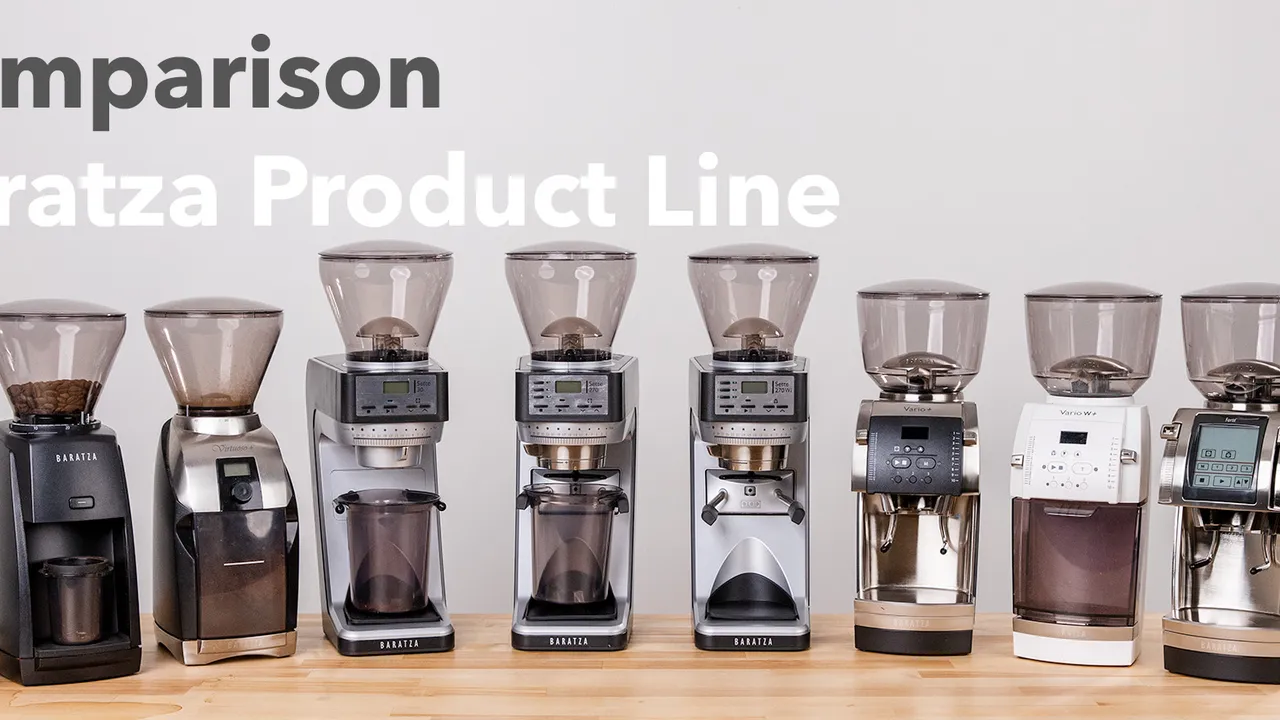
While not strictly a single-dose grinder in the traditional sense (it has a small hopper), the Baratza Sette 270Wi deserves a mention for its innovative weight-based grinding. You can set the desired weight of coffee, and it grinds precisely that amount directly into your portafilter or brew basket. This eliminates the need for a separate scale, streamlining the workflow. It's incredibly fast and produces excellent espresso grinds. The Sette 270Wi usually retails for around $500 to $600 USD. Its unique design and speed make it a strong contender for those who prioritize convenience and precision.
Exploring Hopper Style Coffee Grinders for Convenience and Batch Grinding
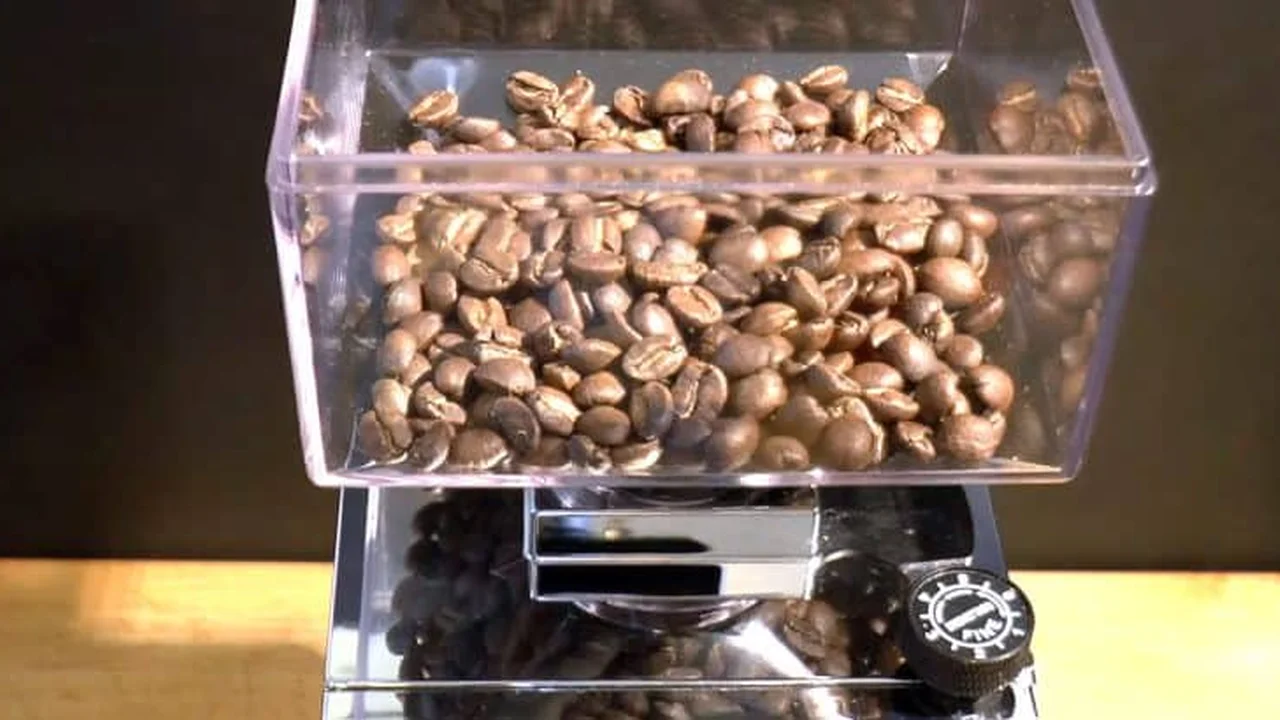
Hopper-style grinders are what most people picture when they think of a coffee grinder. They have a large container (the hopper) on top where you can store a significant amount of whole coffee beans. When you're ready to brew, you simply turn the grinder on, and it dispenses the ground coffee. These grinders are all about convenience and are perfect for those who brew coffee regularly, often for multiple people, or who stick to one type of bean for extended periods.
Key Advantages of Hopper Grinders for Everyday Brewing
- Convenience: This is their strongest suit. Fill the hopper once, and you're good for several days or even a week of coffee. No need to measure beans every single time.
- Speed: For multiple servings, hopper grinders are generally faster as they don't require the individual weighing step.
- Consistency for Batch Brewing: If you're brewing the same type of coffee every day, a hopper grinder provides consistent results without much fuss.
- Often More Affordable: While high-end hopper grinders exist, there's a wider range of budget-friendly options available that still offer decent grind quality.
- Less Hands-On: For those who prefer a more automated process, a hopper grinder is often the preferred choice.
Potential Downsides of Hopper Grinders for Optimal Freshness
- Stale Beans in Hopper: The biggest drawback is that beans stored in the hopper are exposed to air, light, and heat, which can lead to them staling faster. This is especially true if you don't go through coffee quickly.
- Retention Issues: Many hopper grinders can have significant retention of ground coffee in the chute or burr chamber. This old, stale coffee can then mix with your fresh grounds, negatively impacting flavor.
- Less Flexibility: Switching between different types of beans is more cumbersome, as you'd need to empty the hopper and potentially purge the grinder to avoid mixing flavors.
- Larger Footprint: The hopper adds to the overall height and sometimes width of the grinder, requiring more counter space.
Recommended Hopper Grinder Models for Reliability and Ease of Use
Baratza Encore for Entry-Level Excellence
The Baratza Encore is a perennial favorite for entry-level home baristas. It's a workhorse that offers excellent grind consistency for drip, pour-over, and French press, and can even handle coarser espresso grinds (though it's not ideal for fine espresso). It's incredibly durable and easy to clean, and Baratza's customer service is legendary. Priced around $170 to $200 USD, it's an unbeatable value for its performance and reliability. While it has a hopper, many users choose to single-dose with it by simply adding the desired amount of beans for each grind.
Rancilio Rocky for Espresso Focused Performance
The Rancilio Rocky has been a staple in the home espresso world for decades. It's a robust, no-frills grinder known for its durability and consistent grind quality, particularly for espresso. It features 50mm flat burrs and a powerful motor. While its stepped adjustment can be a bit limiting for dialing in espresso, many users find it perfectly adequate. It typically costs around $350 to $400 USD. It's a solid choice if you're primarily making espresso and want a reliable machine that will last for years.
Eureka Mignon Specialita for Quiet and Consistent Grinding
The Eureka Mignon Specialita is a fantastic mid-range option that bridges the gap between single-dose and hopper grinders. While it has a hopper, its design allows for very low retention, making it almost single-dose capable if you choose to use it that way. It's incredibly quiet, features 55mm flat burrs, and offers stepless micrometric adjustment, which is crucial for dialing in espresso. It also has a convenient touchscreen interface for timed dosing. The Specialita usually retails for $550 to $700 USD, offering premium features and performance without breaking the bank.
Choosing Your Ideal Coffee Grinder Workflow and Lifestyle Considerations
So, how do you decide between these two types of grinders? It really boils down to your personal coffee habits and priorities.
Consider Your Daily Coffee Routine and Brewing Frequency
If you're someone who brews one or two cups of coffee a day, perhaps just for yourself, and you value ultimate freshness and the ability to switch beans often, a single-dose grinder might be your best bet. The slightly longer workflow is a small price to pay for peak flavor and flexibility. This is especially true if you're an espresso aficionado, as grind consistency and freshness are paramount for a perfect shot.
On the other hand, if you're brewing multiple cups throughout the day, or making coffee for a household, and convenience is your top priority, a hopper grinder will likely serve you better. The ability to fill it once and grind on demand without weighing each time can be a huge time-saver. Just be mindful of how long beans sit in the hopper and consider buying smaller quantities of beans if you don't go through them quickly.
Evaluating Grind Retention and Its Impact on Flavor
Grind retention refers to the amount of ground coffee that gets stuck in the grinder's burrs or chute after grinding. This old, stale coffee can then mix with your fresh grounds during the next use, leading to off-flavors and inconsistency. Single-dose grinders are typically designed with very low or zero retention in mind, making them superior in this regard. Hopper grinders, especially older or less expensive models, can have higher retention. If you opt for a hopper grinder, consider models known for lower retention or be prepared to purge a small amount of coffee before each brew to ensure freshness.
Budget and Space Allocations for Your Coffee Setup
Your budget will play a significant role in your decision. While there are affordable options in both categories, high-performance single-dose grinders tend to be on the pricier side. Hopper grinders offer a wider range of price points, from very budget-friendly to high-end commercial-grade machines. Also, consider your available counter space. Single-dose grinders are often more compact, while hopper grinders can be taller and bulkier due to the hopper itself.
Maintenance and Cleaning Requirements for Longevity
Both types of grinders require regular cleaning to maintain performance and prevent oil buildup. Single-dose grinders, with their focus on low retention, often have simpler designs that make them easier to clean thoroughly. Hopper grinders might require more frequent cleaning of the chute and burr chamber, especially if you're grinding oily beans. Regardless of your choice, make sure you're comfortable with the cleaning process to ensure your grinder lasts and performs optimally for years to come.
Final Thoughts on Your Grinder Decision
Ultimately, the best coffee grinder for you is the one that fits seamlessly into your lifestyle and helps you achieve your desired coffee experience. If you're a meticulous home barista who chases perfection in every shot, loves experimenting with different beans, and doesn't mind a slightly more involved workflow, a single-dose grinder like the Niche Zero or DF64 will be a game-changer. You'll appreciate the freshness, precision, and flexibility they offer.
However, if convenience is king, you brew regularly for a household, and you typically stick to one or two types of beans, a reliable hopper grinder like the Baratza Encore or Eureka Mignon Specialita might be a more practical and enjoyable choice. You'll love the ease of use and consistent performance for your daily brews.
No matter which path you choose, investing in a quality burr grinder (whether single-dose or hopper) is one of the most impactful upgrades you can make to your home coffee setup. It's the foundation of a great cup, ensuring uniform particle size for optimal extraction and unlocking the full flavor potential of your beans. Happy grinding, and even happier brewing!
:max_bytes(150000):strip_icc()/277019-baked-pork-chops-with-cream-of-mushroom-soup-DDMFS-beauty-4x3-BG-7505-5762b731cf30447d9cbbbbbf387beafa.jpg)