Comparing Coffee Shop vs Home Brewed Coffee Costs
Analyze the cost savings of brewing coffee at home versus buying from coffee shops. See how much you can save over time.

Analyze the cost savings of brewing coffee at home versus buying from coffee shops. See how much you can save over time.
Comparing Coffee Shop vs Home Brewed Coffee Costs
The Daily Grind Coffee Shop Habits and Your Wallet
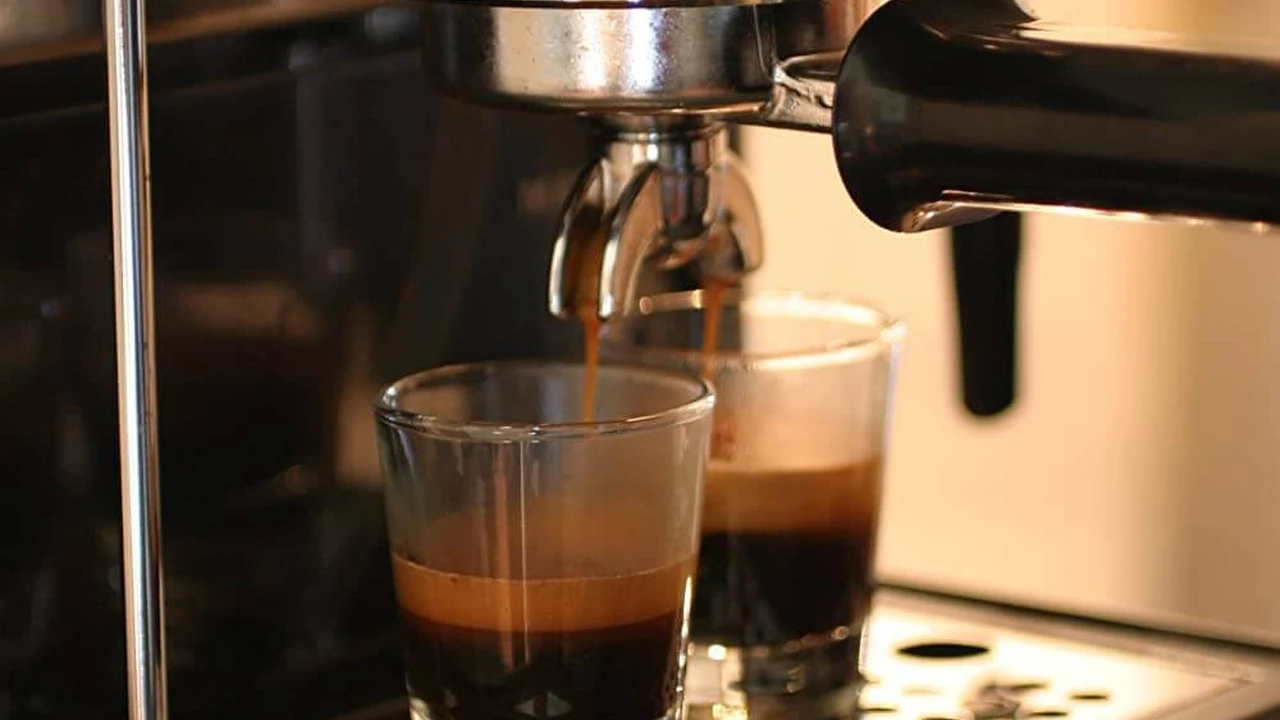
Let's be real, that daily coffee shop run is a ritual for many of us. The aroma, the friendly barista, the perfect latte art – it's a little slice of heaven to kickstart your day or get through that afternoon slump. But have you ever stopped to truly calculate how much that convenience is costing you? It might be more than you think. We're talking about the cumulative effect of those seemingly small daily purchases. A typical latte might set you back $5, a fancy cold brew $6, and a simple drip coffee around $3. These numbers, on their own, don't seem too bad. But let's do some quick math. If you grab a $5 coffee five times a week, that's $25. Multiply that by 52 weeks in a year, and you're looking at $1,300 annually. For just one person! If you're a couple, or if you grab multiple coffees a day, that number skyrockets. This doesn't even account for tips, or those tempting pastries and snacks that often accompany your coffee order. The convenience factor is undeniable, but the financial impact is significant. This section will break down the typical costs associated with various coffee shop drinks, helping you visualize the outflow of cash and setting the stage for understanding the potential savings of home brewing.
The Home Brewing Revolution Initial Investment vs Long Term Savings
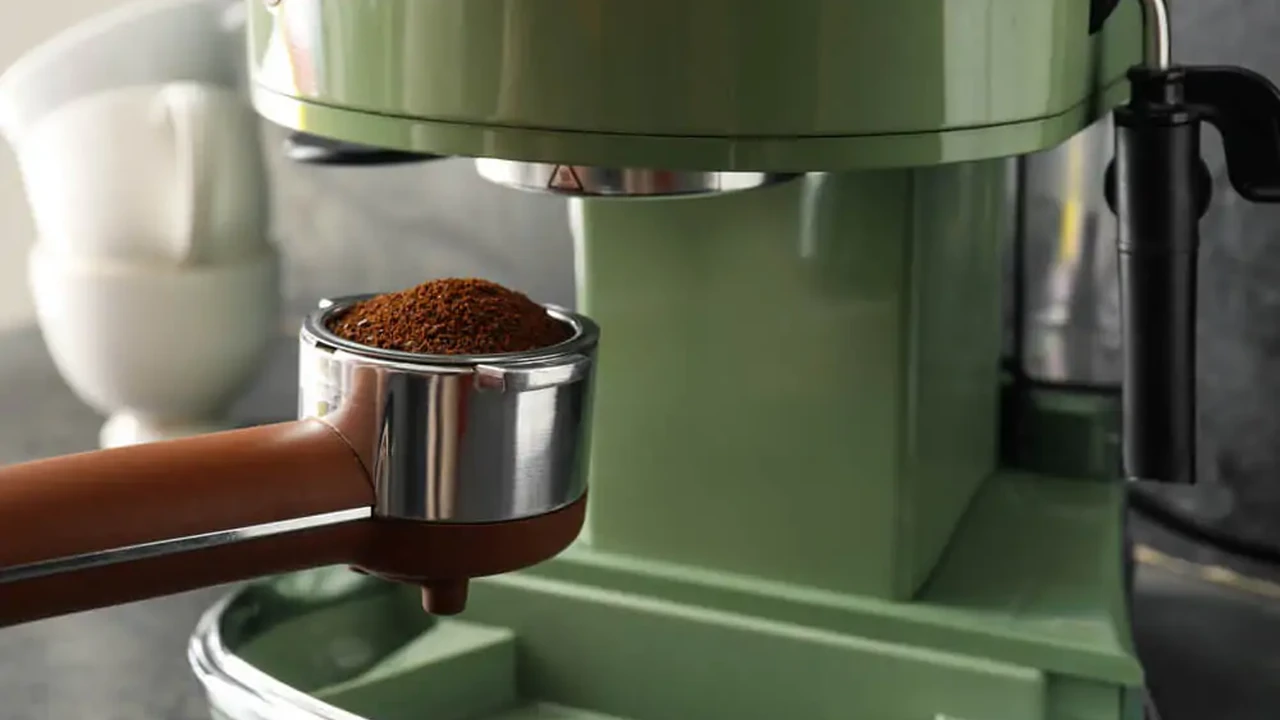
Now, let's talk about bringing the coffee shop experience home. The initial thought might be, "But I have to buy all this equipment!" And yes, there's an upfront investment. However, this is where the long-term savings truly shine. Think of it as an investment in your daily coffee habit. You'll need a coffee maker, a grinder (highly recommended for fresh beans!), and perhaps some accessories like a scale or a good quality mug. The good news is, you don't have to break the bank to get started. There are fantastic budget-friendly options that still deliver excellent results. For example, a decent drip coffee maker can be found for $30-$50. A reliable burr grinder might cost $50-$100. Even if you splurge on a more advanced espresso machine, the payback period can be surprisingly short when compared to your coffee shop spending. This section will delve into the typical costs of setting up a basic to intermediate home coffee station, emphasizing that this is a one-time (or infrequent) expense that quickly pays for itself through reduced daily spending. We'll also touch upon the cost of coffee beans, which is significantly lower per cup when bought in bulk or from specialty roasters for home use.
Breaking Down the Beans Cost Per Cup Analysis
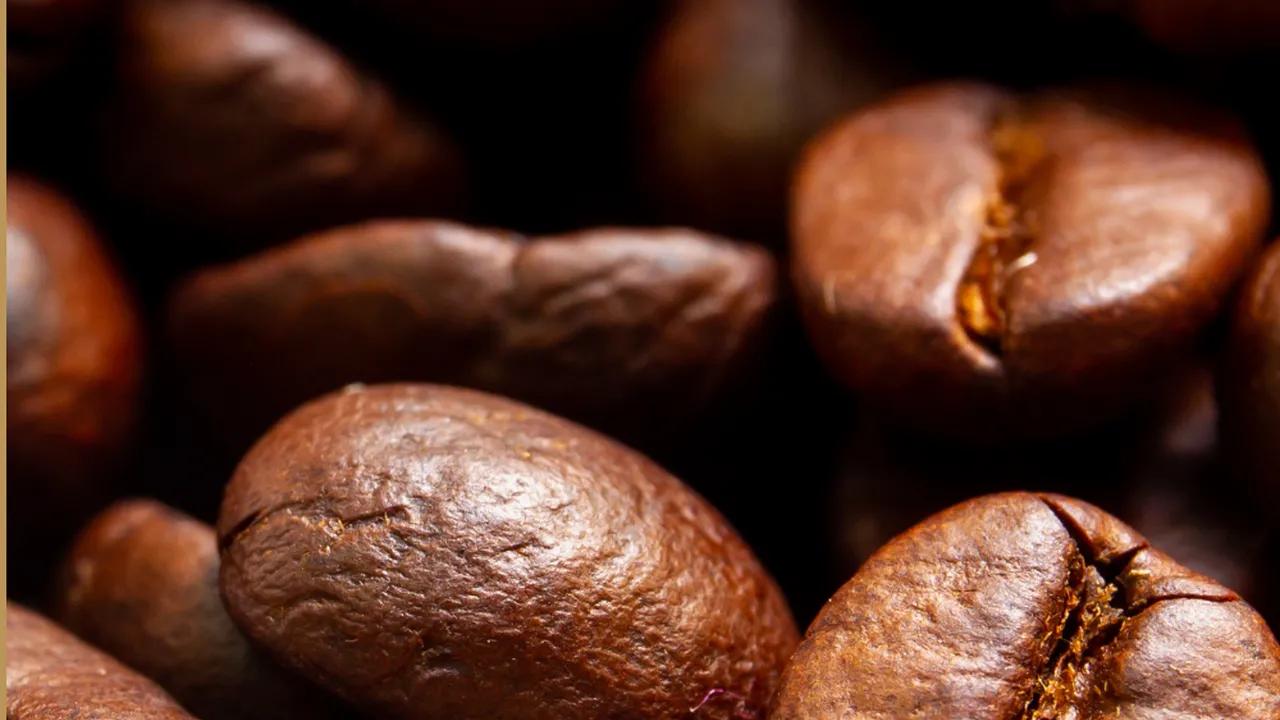
The true heart of home brewing savings lies in the cost of the raw materials: coffee beans. When you buy a coffee at a cafe, you're paying for the beans, the water, the milk (if applicable), the labor, the rent, the utilities, and the profit margin. At home, you're primarily paying for the beans and a tiny fraction of your water and electricity bill. Let's compare. A 12-ounce bag of quality whole bean coffee might cost you anywhere from $12 to $20. This bag can yield approximately 20-25 cups of coffee, depending on your brewing method and strength preference. If we take the average of 22 cups from a $15 bag, that's roughly $0.68 per cup. Compare that to the $3-$6 you'd spend at a coffee shop. The difference is staggering. Even if you opt for premium, ethically sourced beans, your per-cup cost will still be a fraction of what you'd pay out. This section will provide a detailed breakdown of coffee bean costs, including different types of beans (e.g., commodity vs. specialty), and how buying in larger quantities can further reduce your per-cup expense. We'll also discuss the benefits of buying whole beans and grinding them fresh at home for superior flavor, which is an added bonus to the cost savings.
Recommended Home Brewing Equipment Budget Friendly to Enthusiast Level
To help you get started or upgrade your home brewing setup, here are some specific product recommendations across different price points, focusing on value and performance:
Entry Level Budget Friendly Coffee Makers and Grinders
- Mr. Coffee 12-Cup Programmable Coffee Maker: This is a classic for a reason. It's incredibly affordable, reliable, and gets the job done for basic drip coffee. You can often find it for around $30-$40. It's perfect for those who just want a consistent cup without fuss.
- Proctor Silex Durable Coffee Grinder: If you're on a super tight budget and just need to grind whole beans, this blade grinder is usually under $20. While burr grinders are superior, this is a step up from pre-ground coffee and a good starting point.
- Hario V60 Pour Over Starter Kit: For manual brewing enthusiasts, this kit (around $25-$35) includes a ceramic dripper, server, and filters. It's a fantastic way to explore pour-over coffee without a huge investment.
Mid Range Best Value Coffee Machines and Grinders
- Bonavita Connoisseur 8-Cup One-Touch Coffee Maker: This SCAA-certified brewer (around $150-$180) consistently brews excellent drip coffee. It heats water to the optimal temperature and has a showerhead design for even saturation. A significant upgrade for daily drip coffee drinkers.
- Baratza Encore Conical Burr Coffee Grinder: Widely regarded as the best entry-level burr grinder (around $170-$200). It offers consistent grinds for various brewing methods, from French press to espresso (though it's better for coarser grinds). This is a game-changer for flavor.
- AeroPress Coffee Maker: A versatile and portable brewer (around $30-$40) that can make espresso-style concentrates, Americanos, and more. It's incredibly easy to clean and perfect for travel or small spaces.
Enthusiast Level Premium Home Barista Setups
- Breville Barista Express Espresso Machine: This all-in-one machine (around $700-$800) includes a built-in conical burr grinder, allowing you to go from beans to espresso in under a minute. It's a fantastic choice for those serious about espresso and latte art at home.
- Rancilio Silvia Espresso Machine with PID: A classic, durable single-boiler espresso machine (around $800-$1000, plus PID kit). It requires a separate grinder but offers excellent temperature stability and steam power for serious home baristas.
- Niche Zero Coffee Grinder: A premium single-dose conical burr grinder (around $600-$700) known for its exceptional grind quality and minimal retention. Ideal for espresso enthusiasts who frequently switch beans.
Beyond the Brew Additional Savings and Benefits of Home Coffee
The financial savings are just one piece of the puzzle. Home brewing offers a plethora of other benefits that enhance your daily life. Think about the time you save by not commuting to the coffee shop, waiting in line, and then commuting back. That's precious time you can reinvest in yourself, whether it's an extra few minutes of sleep, a quick workout, or spending quality time with family. Then there's the customization aspect. At home, you are the barista. You control the bean origin, the roast level, the grind size, the water temperature, and the brewing method. This allows for endless experimentation and the ability to craft your perfect cup, tailored precisely to your taste preferences. No more settling for a drink that's too sweet, too bitter, or just not quite right. Furthermore, home brewing can be a wonderfully mindful and relaxing ritual. The process of grinding fresh beans, heating water, and watching your coffee brew can be a calming start to your day, a moment of peace before the hustle and bustle begins. It's a small act of self-care that can significantly improve your daily routine. This section will explore these intangible benefits, highlighting how home brewing contributes to a more personalized, convenient, and enjoyable coffee experience, adding value beyond just monetary savings.
The Environmental Impact Sustainable Coffee Choices at Home
Beyond your wallet, home brewing also offers significant environmental advantages compared to frequenting coffee shops. Consider the waste generated by daily coffee shop visits: disposable cups, plastic lids, stirrers, and sleeves. While many cafes are moving towards more sustainable options, the sheer volume of single-use items is still a major concern. By brewing at home, you drastically reduce your personal waste footprint. You can use reusable mugs, your own filters (like metal or cloth for pour-over), and even compost your coffee grounds. Many coffee shops also rely on energy-intensive equipment and transportation for their beans and supplies. While home brewing still uses energy, the overall impact per cup is generally lower, especially if you're mindful of your energy consumption. Furthermore, home brewing allows you to be more intentional about your bean choices. You can seek out ethically sourced, fair trade, and organic beans directly from roasters who prioritize sustainability. This gives you greater control over the entire supply chain, ensuring your coffee habit supports responsible practices. This section will delve into the environmental benefits of home brewing, discussing waste reduction, energy consumption, and the ability to make more sustainable bean choices, empowering readers to make a positive impact with their coffee habits.
Making the Switch Practical Tips for Transitioning to Home Brewing
Ready to make the switch and start saving? Here are some practical tips to help you transition smoothly from coffee shop regular to home brewing pro. First, start small. You don't need to buy the most expensive equipment right away. Begin with a basic setup, like a pour-over cone or a French press, and a good quality bag of whole beans. Experiment with different brewing methods to find what you enjoy most. Second, invest in a good grinder. This is arguably the most important piece of equipment for improving your coffee's flavor. Freshly ground beans make a world of difference. Third, learn about water quality. Filtered water can significantly enhance the taste of your coffee. Fourth, don't be afraid to experiment with different beans and roasts. There's a vast world of coffee out there to explore. Finally, make it a ritual. Turn your home brewing into a pleasant part of your morning routine. The more you enjoy the process, the more likely you are to stick with it. This section will offer actionable advice and encouragement for readers looking to embrace home brewing, providing a roadmap for a successful and enjoyable transition.
The Long Term Financial Impact Your Coffee Savings Over Years
Let's revisit those numbers, but this time, let's look at the long game. If you save, say, $4 per day by brewing at home instead of buying from a coffee shop, that's $20 a week, $80 a month, and nearly $1,000 a year. Over five years, that's $5,000. Over ten years, that's $10,000! Imagine what you could do with that extra money. It could go towards a vacation, a down payment on a car, paying off debt, or investing in your future. The cumulative effect of these small daily savings is truly remarkable. This section will provide a compelling long-term financial projection, illustrating the significant wealth accumulation potential from consistently choosing home-brewed coffee. It will serve as a powerful motivator, showcasing how a simple lifestyle change can lead to substantial financial gains over time.
:max_bytes(150000):strip_icc()/277019-baked-pork-chops-with-cream-of-mushroom-soup-DDMFS-beauty-4x3-BG-7505-5762b731cf30447d9cbbbbbf387beafa.jpg)