Troubleshooting Common Espresso Machine Problems
Solve common issues with your espresso machine. Our guide helps you diagnose and fix problems like no pressure or weak shots.
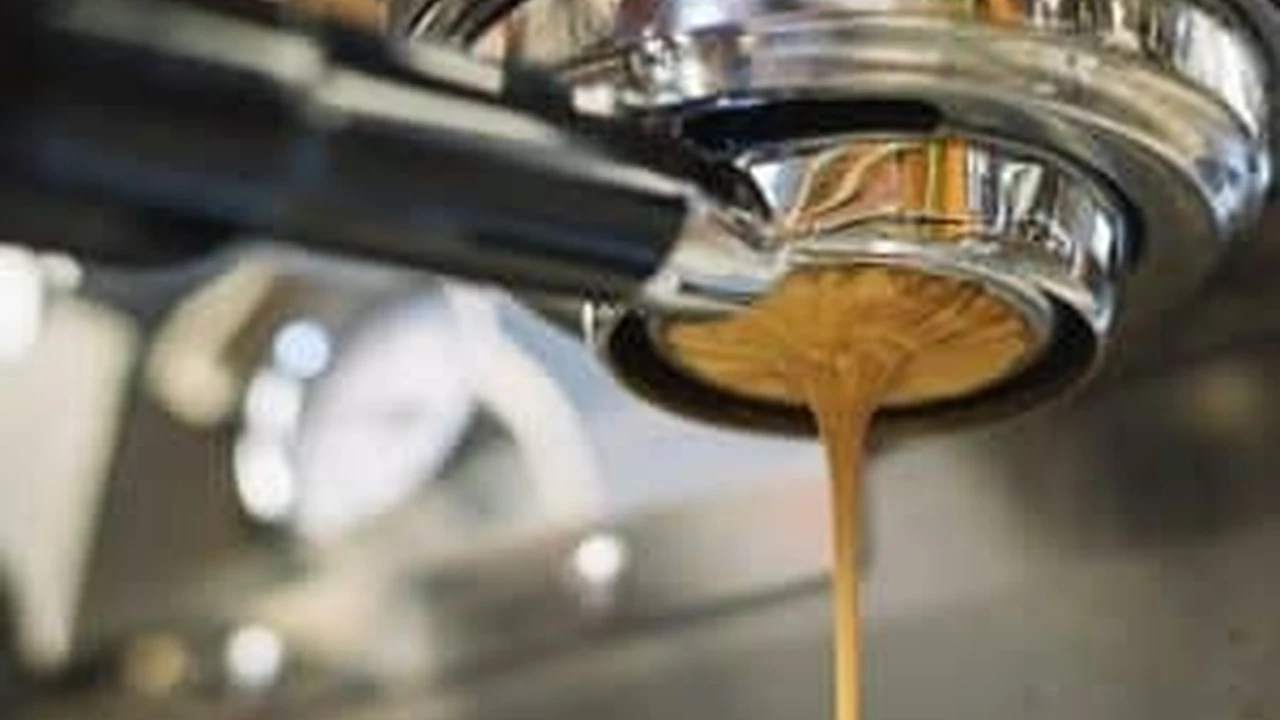
Solve common issues with your espresso machine. Our guide helps you diagnose and fix problems like no pressure or weak shots.
Troubleshooting Common Espresso Machine Problems
Understanding Your Espresso Machine Common Issues and Solutions
Hey there, fellow coffee lovers! There's nothing quite like the rich aroma and taste of a perfectly pulled espresso shot. But let's be real, sometimes our beloved espresso machines can be a bit temperamental. Whether you're dealing with a finicky Breville, a stubborn Gaggia, or any other brand, encountering issues is part of the home barista journey. Don't fret! Most common problems have straightforward solutions. This comprehensive guide will walk you through diagnosing and fixing the most frequent espresso machine woes, ensuring you get back to brewing delicious coffee in no time. We'll cover everything from no pressure to weak shots, and even recommend some specific products that can help.
No Pressure or Low Pressure Diagnosing and Fixing the Flow
One of the most frustrating issues is when your espresso machine just isn't building enough pressure. This can lead to watery, under-extracted shots that lack crema and flavor. Let's break down why this happens and how to fix it.
Grind Size and Dose Optimizing Your Coffee Grounds
The most common culprit for low pressure is an incorrect grind size or dose. If your grind is too coarse, water will flow through too quickly, resulting in under-extraction and low pressure. If your dose is too low, there isn't enough coffee to create resistance.
- Solution: Adjust your grinder to a finer setting. For espresso, you want a grind consistency similar to powdered sugar or fine sand. If your shots are still running too fast, increase your coffee dose slightly. Aim for 18-20 grams for a double shot in most standard baskets.
- Product Recommendation: A good quality burr grinder is essential here. The Baratza Encore ESP (around $199) is fantastic for beginners, offering precise grind adjustments for espresso. For a step up, the Niche Zero (around $600) is a single-dose grinder renowned for its consistency and minimal retention, perfect for dialing in espresso.
Clogged Group Head or Portafilter Ensuring Clear Pathways
Over time, coffee oils and fine particles can build up in your group head or portafilter, restricting water flow and causing pressure issues.
- Solution: Regularly backflush your machine (if it has a 3-way solenoid valve) with a blind basket and a descaling solution like Urnex Cafiza (around $10 for a tub). For the portafilter, remove the basket and scrub it thoroughly with a brush and hot soapy water. Use a toothpick or a small needle to clear any clogged holes in the basket.
- Maintenance Tip: Perform a daily rinse of your group head after your last shot and a weekly backflush.
Pump Issues Diagnosing a Failing Pump
Sometimes, the problem isn't with your coffee but with the machine's pump itself. If you hear the pump working but no water is coming out, or it's very weak, the pump might be failing or airlocked.
- Solution: First, try priming the pump. Many machines have a priming procedure in their manual, often involving opening the steam wand while the pump is running to release air. If that doesn't work, and your machine is older, the pump might need replacement. This is a more advanced repair, often requiring professional help or a DIY kit if you're handy.
- Common Scenario: This is more prevalent in older vibratory pump machines like some Gaggia Classic Pro models. Rotary pumps (found in higher-end machines like the ECM Synchronika, around $3000) are generally more robust but can still fail.
Weak or Watery Shots Understanding Under Extraction
A weak or watery shot is a clear sign of under-extraction. This means the water hasn't had enough contact time with the coffee grounds to extract all the delicious flavors. It often goes hand-in-hand with low pressure.
Temperature Stability The Importance of Heat
Espresso extraction is highly sensitive to temperature. If your machine isn't reaching or maintaining the correct brewing temperature (typically 195-205°F or 90-96°C), your shots will be weak and sour.
- Solution: Allow your machine ample time to heat up, usually 15-30 minutes. For machines with PID controllers (like the Breville Barista Express Impress, around $800, or the Rancilio Silvia Pro X, around $1800), ensure your set temperature is correct. If your machine struggles to maintain temperature, it might indicate a faulty thermostat or heating element, which would require professional repair.
- Pre-heating: Always run a blank shot (just hot water) through the portafilter and group head before brewing to pre-heat everything.
Tamping Technique Ensuring a Level and Firm Puck
An uneven or insufficient tamp can lead to channeling, where water finds easy paths through the coffee puck instead of evenly saturating it. This results in under-extraction.
- Solution: Ensure you're tamping with consistent, firm pressure (around 30 lbs, though consistency is more important than exact force). Use a level tamp to avoid slanting the puck. A good tamper makes a huge difference.
- Product Recommendation: Consider an auto-leveling tamper like the Force Tamper (around $150) or a calibrated tamper like the Espro Calibrated Tamper (around $80) to ensure consistent pressure and a level tamp every time.
Old or Stale Coffee Beans The Foundation of Flavor
Even the best machine can't make good espresso from bad beans. Stale coffee beans have lost their volatile aromas and oils, leading to flat, lifeless shots.
- Solution: Always use freshly roasted coffee beans, ideally within 2-4 weeks of their roast date. Store them in an airtight container away from light, heat, and moisture.
- Storage Tip: The Fellow Atmos Vacuum Canister (around $30-40) is excellent for keeping beans fresh by removing air.
No Water Coming Out or Machine Not Heating Up Addressing Critical Failures
These are more serious issues, often indicating a problem with the water path or heating system.
Empty Water Reservoir or Air Lock Checking the Basics
It sounds obvious, but sometimes the simplest things are overlooked. An empty reservoir or an air bubble in the water line can prevent water from flowing.
- Solution: Ensure your water reservoir is full and properly seated. If you suspect an airlock, try removing the reservoir, refilling it, and reinserting it firmly. Some machines benefit from running the steam wand for a few seconds to draw water through.
Scale Buildup The Silent Killer of Espresso Machines
Mineral deposits (scale) from hard water can clog internal pipes, valves, and the heating element, leading to no water flow or heating issues. This is one of the most common and preventable problems.
- Solution: Descale your machine regularly, typically every 1-3 months depending on your water hardness. Use a dedicated espresso machine descaler like Dezcal by Urnex (around $15 for a pack). Follow your machine's descaling instructions carefully.
- Prevention: Use filtered water! A simple Brita filter pitcher (around $30) can significantly reduce scale buildup. For more serious protection, consider an in-tank water filter like the Claris Blue filter (around $20-30, compatible with many Jura and other machines) or a plumbed-in filtration system for higher-end setups.
Faulty Heating Element or Thermostat When Parts Fail
If your machine isn't heating up at all, or only gets lukewarm, the heating element or thermostat might be faulty. This is a less common but more serious issue.
- Solution: This usually requires professional repair or replacement of the specific component. Unless you're experienced with electrical repairs, it's best to consult a qualified technician.
- Cost Consideration: Replacing a heating element can be costly, sometimes making it more economical to consider a new machine if yours is very old.
Excessive Dripping or Leaking Identifying the Source
Drips and leaks are annoying and can indicate worn-out seals or internal issues.
Worn Gaskets or O-Rings Replacing Seals
The group head gasket (the rubber ring where the portafilter locks in) and various O-rings inside the machine can degrade over time, leading to leaks.
- Solution: Inspect your group head gasket. If it's hard, cracked, or flattened, it needs replacement. These are inexpensive and relatively easy to replace. Many manufacturers sell replacement kits. For internal O-rings, it's a more involved process, often requiring disassembly.
- Product Recommendation: Search for 'group head gasket replacement' for your specific machine model. For example, a Breville 54mm Group Head Gasket (around $10-15) is a common replacement part.
Loose Connections or Cracked Hoses Checking the Plumbing
Internal hoses or connections can become loose or crack, causing leaks.
- Solution: If you're comfortable opening your machine (unplugged, of course!), visually inspect all hoses and connections for signs of leaks or cracks. Tighten any loose clamps. If a hose is cracked, it will need to be replaced. This is often a job for a technician.
Espresso Tastes Sour or Bitter Adjusting for Perfect Flavor
The taste of your espresso is the ultimate indicator of a successful extraction. Sourness usually means under-extraction, while bitterness points to over-extraction.
Sour Espresso Under Extraction Clues
If your espresso tastes unpleasantly sour, it's likely under-extracted. This means not enough of the coffee's soluble compounds have dissolved into the water.
- Solution:
- Grind Finer: This is the first and most impactful adjustment. A finer grind increases resistance and contact time.
- Increase Dose: A slightly higher dose can also increase resistance.
- Increase Brew Temperature: If your machine allows, a slightly higher temperature can aid extraction.
- Increase Brew Time: Aim for a shot time of 25-30 seconds for a double shot (including pre-infusion). If it's much shorter, you're under-extracting.
Bitter Espresso Over Extraction Warnings
If your espresso tastes burnt, acrid, or overly bitter, it's likely over-extracted. Too many undesirable compounds have been pulled from the coffee.
- Solution:
- Grind Coarser: This is the primary adjustment. A coarser grind reduces resistance and contact time.
- Decrease Dose: A slightly lower dose can also help.
- Decrease Brew Temperature: If your machine allows, a slightly lower temperature can reduce over-extraction.
- Decrease Brew Time: If your shot is running significantly longer than 30 seconds, you're likely over-extracting.
General Maintenance Tips for Longevity Keeping Your Machine Happy
Prevention is always better than cure. Regular maintenance will save you a lot of headaches and extend the life of your espresso machine.
Daily Cleaning Habits Simple Steps for Freshness
- Wipe Down: After each use, wipe down the steam wand with a damp cloth. Purge it briefly to clear any milk residue.
- Rinse Portafilter: After pulling a shot, knock out the puck and rinse the portafilter and basket under hot water.
- Flush Group Head: Run a quick flush of water through the group head after removing the portafilter to rinse away loose grounds.
Weekly and Monthly Deep Cleaning Ensuring Optimal Performance
- Backflushing: If your machine has a 3-way solenoid valve, backflush with a blind basket and a cleaning detergent (like Cafiza) weekly.
- Soak Portafilter and Baskets: Soak your portafilter and baskets in a solution of hot water and espresso machine cleaner monthly to remove stubborn coffee oils.
- Clean Water Reservoir: Wash your water reservoir with soap and water regularly to prevent mold or slime buildup.
Descaling Regular Removal of Mineral Buildup
As mentioned, descaling is crucial. The frequency depends on your water hardness and machine usage. If you use filtered water, you might get away with descaling every 2-3 months. If you use tap water, monthly might be necessary.
- Product Recommendation: Dezcal by Urnex is a widely recommended and effective descaler. Follow the instructions on the product and your machine's manual.
When to Call a Professional Knowing Your Limits
While many issues can be resolved at home, some problems are best left to the experts. If you've tried all the troubleshooting steps and your machine is still not working, or if you suspect a major electrical or pump failure, it's time to seek professional help. Attempting complex repairs without proper knowledge can be dangerous and may void your warranty.
By understanding these common problems and implementing regular maintenance, you'll be well on your way to enjoying consistently delicious espresso from your home setup. Happy brewing!
:max_bytes(150000):strip_icc()/277019-baked-pork-chops-with-cream-of-mushroom-soup-DDMFS-beauty-4x3-BG-7505-5762b731cf30447d9cbbbbbf387beafa.jpg)