Top 5 Coffee Grinders for Espresso
Discover the best coffee grinders specifically designed for espresso. Achieve the perfect grind consistency for optimal extraction.
Discover the best coffee grinders specifically designed for espresso. Achieve the perfect grind consistency for optimal extraction.
Top 5 Coffee Grinders for Espresso
Why a Dedicated Espresso Grinder Matters for Your Home Barista Setup
If you're serious about making exceptional espresso at home, you've probably heard the adage: 'The grinder is more important than the espresso machine.' While that might sound extreme, there's a lot of truth to it. Espresso is a highly sensitive brewing method that demands an incredibly precise and consistent grind. Unlike drip coffee or French press, where a slightly uneven grind might just result in a minor flavor deviation, for espresso, it can mean the difference between a heavenly shot and a sour, bitter, or watery disaster.
The reason lies in the extraction process. Espresso involves forcing hot, pressurized water through a compact puck of finely ground coffee. If your grind is too coarse, the water rushes through too quickly, leading to under-extraction and a weak, sour shot. If it's too fine, the water struggles to pass through, resulting in over-extraction and a bitter, burnt taste. Even worse, an inconsistent grind – where you have a mix of fine and coarse particles – leads to uneven extraction, where some parts of the puck are over-extracted and others under-extracted simultaneously. This is known as 'channeling' and it's the bane of any home barista's existence.
A dedicated espresso grinder provides the micro-adjustments necessary to dial in your grind to perfection. It offers the precision to make tiny changes that significantly impact your shot. Furthermore, quality espresso grinders are built with durable burrs (not blades!) that produce a uniform particle size, minimizing fines and boulders that can ruin your extraction. Investing in a good espresso grinder is not just about getting a better shot; it's about gaining control, consistency, and ultimately, a more enjoyable and rewarding home barista experience.
Key Features to Look for in an Espresso Coffee Grinder
When you're on the hunt for the perfect espresso grinder, it's easy to get overwhelmed by the sheer number of options and technical jargon. To simplify your search, focus on these critical features:
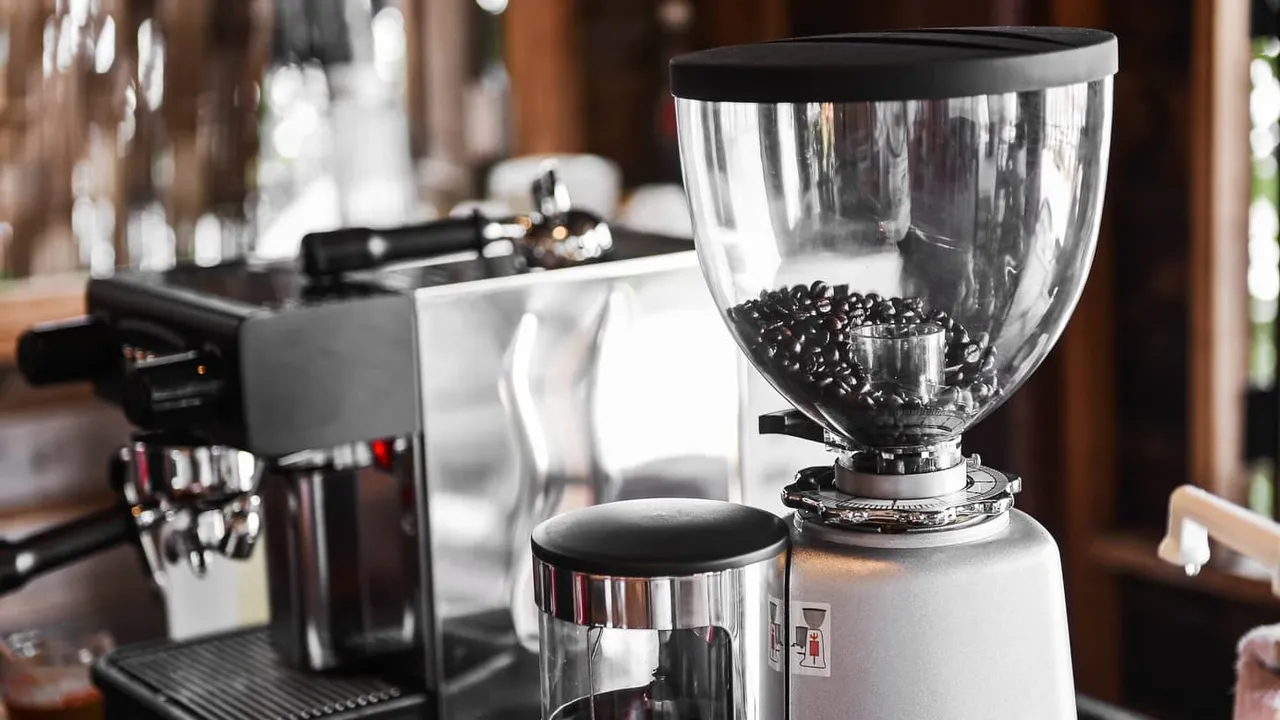
Burr Type Flat vs Conical Burrs for Espresso Grinding
This is perhaps the most fundamental distinction. Both flat and conical burrs are excellent for grinding coffee, but they operate differently and can influence the grind profile and taste. Flat burrs consist of two parallel rings with teeth, one stationary and one rotating. Coffee beans are ground as they pass between these two surfaces. Conical burrs, on the other hand, have a cone-shaped inner burr that rotates within a stationary outer burr. Both types can produce excellent espresso grinds. Historically, flat burrs were often associated with more uniform particle distribution and a slightly different flavor profile (often described as more 'clarity' or 'brightness'), while conical burrs were known for their consistency and ease of use, often producing a grind that leads to a richer body. For home use, the difference in cup quality between high-quality flat and conical burrs is often negligible to the average palate. Focus more on the overall quality of the burrs and the grinder's adjustability.
Grind Adjustment Stepped vs Stepless for Espresso Precision
This is crucial for espresso. Stepped grinders have pre-defined settings, meaning you click through different grind sizes. While convenient for other brew methods, these steps can sometimes be too large for espresso, making it difficult to dial in the perfect shot. Stepless grinders, however, allow for infinite micro-adjustments between settings. This fine-tuning capability is essential for espresso, as even a tiny adjustment can significantly impact extraction time and flavor. For serious espresso enthusiasts, a stepless or micro-stepped adjustment system is highly recommended.
Dosing Method On Demand vs Doser for Espresso Workflow
Grinders typically come in two main dosing styles: on-demand or doser. Doser grinders have a chamber where ground coffee accumulates before you dispense it, usually with a lever. While common in commercial settings, for home use, dosers can lead to stale coffee sitting in the chamber. On-demand grinders, which are far more popular for home baristas, grind coffee directly into your portafilter as you need it. This ensures maximum freshness and minimizes waste. Look for an on-demand grinder with a portafilter holder or cradle for hands-free grinding.
Motor Power and Durability for Consistent Espresso Grinding
A powerful motor is important for consistent grinding, especially with harder, lighter roasted beans. It helps prevent the motor from bogging down, which can lead to inconsistent grinds and increased heat generation. Look for grinders with robust motors and durable construction. The burrs themselves should be made of high-quality hardened steel or ceramic for longevity and consistent performance. While ceramic burrs are known for their durability and heat resistance, steel burrs are more common in high-end espresso grinders and can be sharper, leading to a more precise cut.
Retention and Static Minimization for Clean Espresso Grinding
Retention refers to the amount of ground coffee that gets stuck inside the grinder after grinding. High retention means you're wasting coffee and potentially mixing stale grounds with fresh ones. Look for grinders designed to minimize retention. Static can also be an issue, causing grounds to fly everywhere and make a mess. Some grinders incorporate anti-static features or designs to mitigate this. Low retention and minimal static contribute to a cleaner workflow and better-tasting espresso.
Our Top 5 Picks for Espresso Coffee Grinders
Based on performance, features, value, and user reviews, here are our top 5 recommendations for espresso coffee grinders, catering to different budgets and needs:
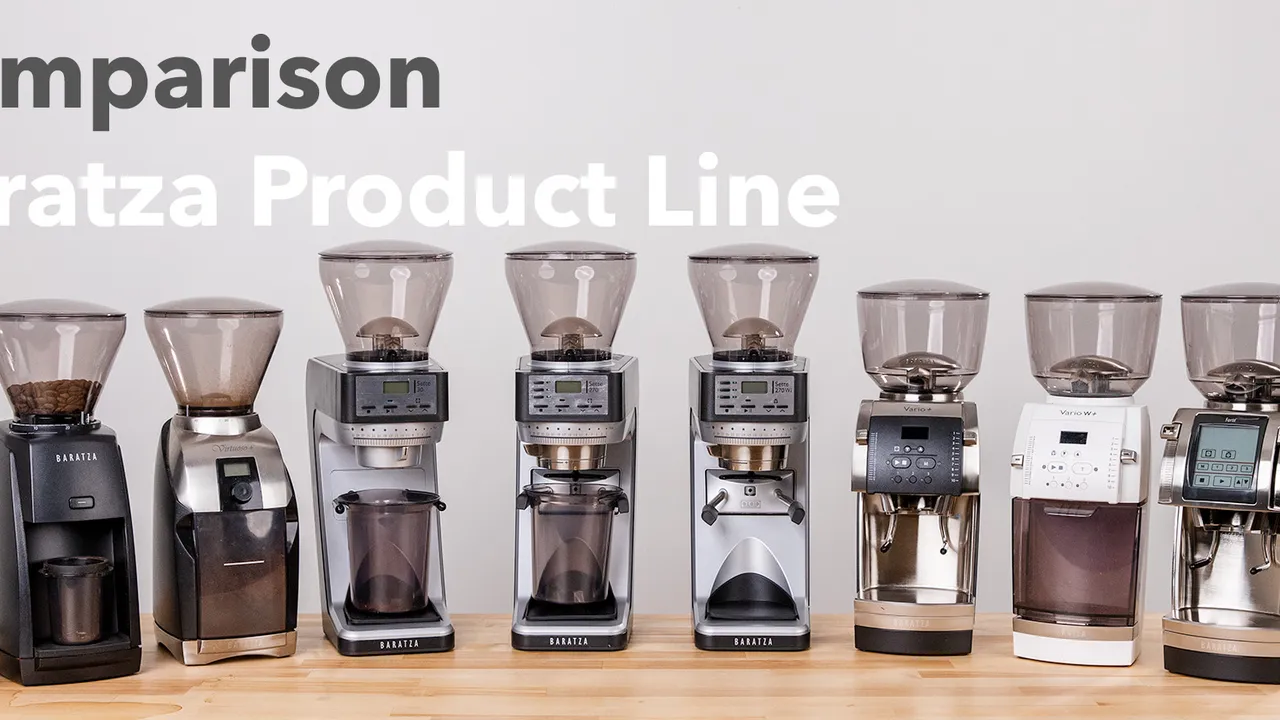
1. Baratza Sette 270Wi The Smart Choice for Precision Espresso
Overview: The Baratza Sette 270Wi is a revolutionary grinder known for its incredibly fast grinding speed, minimal retention, and innovative weight-based dosing. The 'Wi' stands for 'Weight Intelligence,' meaning it grinds directly into your portafilter by weight, ensuring unparalleled consistency in your espresso shots. It features a unique straight-through grinding path that virtually eliminates retention, making it ideal for single-dosing or precise multi-shot preparation. It uses conical burrs and offers 270 macro and micro-adjustments for dialing in espresso.
Ideal User: Home baristas who prioritize precision, speed, and minimal waste. Perfect for those who want to single dose or consistently hit specific coffee weights for their espresso shots without needing a separate scale. It's also great for those who switch between different beans frequently.
Pros:
- Weight-based Dosing: Unmatched consistency and convenience.
- Extremely Low Retention: Virtually no stale coffee left in the grinder.
- Fast Grinding Speed: Quick workflow, especially for multiple shots.
- Excellent Grind Quality: Produces a consistent grind suitable for espresso.
- Macro and Micro Adjustments: Fine-tuning for perfect espresso extraction.
Cons:
- Noise Level: Can be quite loud during operation.
- Durability Concerns (Historical): Earlier models had some reported issues, but Baratza has made significant improvements and offers excellent customer support.
- Price: On the higher end for home grinders, but justified by its features.
Estimated Price: $550 - $600 USD
2. Eureka Mignon Specialita The Quiet Performer for Espresso Enthusiasts
Overview: The Eureka Mignon Specialita is a popular choice among home baristas for its exceptional grind quality, quiet operation, and robust build. It features 55mm flat burrs and a stepless micrometric adjustment system, allowing for incredibly precise grind settings. Its touch screen interface is intuitive, and it offers two programmable dose settings plus a manual mode. The Specialita is known for its consistent grind and minimal clumping, making it a joy to work with.
Ideal User: Home baristas who value quiet operation, premium build quality, and precise stepless adjustment for dialing in espresso. Great for those who primarily make espresso and want a reliable, consistent grinder that will last.
Pros:
- Exceptional Grind Quality: Produces very consistent, fluffy grounds.
- Extremely Quiet Operation: One of the quietest grinders on the market.
- Stepless Micrometric Adjustment: Allows for incredibly fine-tuning.
- Robust Build Quality: Made with durable materials, built to last.
- Touch Screen Interface: Easy to use and program.
Cons:
- Retention: While not excessive, it has more retention than the Sette 270Wi, which might be a consideration for single-dosers.
- Price: A significant investment, but offers excellent value for its performance.
- Size: While compact, it's a solid, heavy machine.
Estimated Price: $650 - $750 USD
3. Rancilio Rocky Doserless The Workhorse for Entry-Level Espresso
Overview: The Rancilio Rocky Doserless has been a staple in the home espresso world for decades. Known for its tank-like build quality and reliability, it's a no-frills workhorse that consistently delivers a decent espresso grind. It features 50mm flat burrs and a stepped adjustment system. While the stepped adjustment can be a limitation for fine-tuning espresso, many users find ways to work around it or are satisfied with the results it provides for a more entry-level setup.
Ideal User: Beginners entering the home espresso world who want a durable, reliable grinder without breaking the bank. Also suitable for those who might not need the absolute finest micro-adjustments but value consistency and longevity.
Pros:
- Legendary Durability: Built like a tank, known to last for many years.
- Consistent Grind: Delivers a reliable grind for espresso.
- Simple Operation: Easy to use with minimal fuss.
- Reputable Brand: Rancilio is well-regarded in the espresso industry.
- Relatively Affordable: A good entry point for a dedicated espresso grinder.
Cons:
- Stepped Adjustment: Can make dialing in espresso more challenging.
- Retention: Has noticeable retention, especially if not cleaned regularly.
- Noise Level: Can be somewhat loud.
- Static: Some users report issues with static cling.
Estimated Price: $350 - $400 USD
4. Niche Zero The Single Dosing Champion for Espresso and Beyond
Overview: The Niche Zero has taken the coffee world by storm with its unique design, exceptional grind quality, and near-zero retention. It uses 63mm conical burrs and a stepless adjustment system. Its design is specifically optimized for single-dosing, meaning you weigh your beans, pour them in, grind, and get virtually all of them out. This makes it incredibly efficient for switching between different beans or brew methods without waste.
Ideal User: Home baristas who primarily single dose, frequently switch between different coffee beans or brew methods (espresso, pour-over, French press), and prioritize minimal retention and a clean workflow. Also great for those who appreciate a minimalist aesthetic.
Pros:
- Near-Zero Retention: Unmatched for single-dosing, no wasted coffee.
- Excellent Grind Quality: Produces a consistent, fluffy grind for espresso and other methods.
- Stepless Adjustment: Precise control for dialing in espresso.
- Versatile: Great for all brew methods, not just espresso.
- Quiet Operation: Relatively quiet compared to many other grinders.
- Premium Build: High-quality materials and craftsmanship.
Cons:
- Availability: Can sometimes be difficult to purchase due to high demand.
- Price: A premium price point, but offers exceptional value for its features.
- Workflow for Multiple Shots: While great for single dosing, grinding multiple shots back-to-back requires weighing each dose individually.
Estimated Price: $700 - $800 USD (often sold in specific regions/batches)
5. Fellow Ode Brew Grinder Gen 2 with Espresso Burrs The Versatile Option
Overview: While the original Fellow Ode was designed primarily for filter coffee, the Gen 2 model, especially when paired with the optional espresso burrs (or if it comes with them pre-installed), has become a surprisingly capable contender for espresso. It features 64mm flat burrs and a stepped adjustment system, but with a wider range and finer steps than many other stepped grinders. Its sleek design and quiet operation are also major draws.
Ideal User: Home baristas who primarily brew filter coffee but also want to dabble in espresso without buying two separate grinders. It's also great for those who appreciate design aesthetics and a quieter grinding experience. Note: Ensure you get the Gen 2 with espresso-capable burrs.
Pros:
- Excellent Grind Quality: Produces very consistent grounds, especially with the espresso burrs.
- Quiet Operation: Very quiet during grinding.
- Sleek Design: Aesthetically pleasing and fits well in modern kitchens.
- Low Retention: Good for single-dosing.
- Versatile: Can handle both espresso and filter coffee well (with appropriate burrs).
Cons:
- Stepped Adjustment: While improved, it's still stepped, which can be a limitation for ultra-fine espresso dialing.
- Not Originally Designed for Espresso: Requires specific burrs for optimal espresso performance.
- No Portafilter Holder: You'll need to hold your portafilter or use a dosing cup.
- Price: Can be a significant investment, especially if buying burrs separately.
Estimated Price: $345 - $395 USD (for Gen 2, burrs may be extra or included depending on bundle)
How to Dial In Your Espresso Grinder for the Perfect Shot
Dialing in your espresso grinder is an essential skill for any home barista. It's the process of adjusting your grind size to achieve the optimal extraction for your specific coffee beans, espresso machine, and desired taste. Here's a step-by-step guide:
Understanding the Espresso Ratio and Time for Optimal Extraction
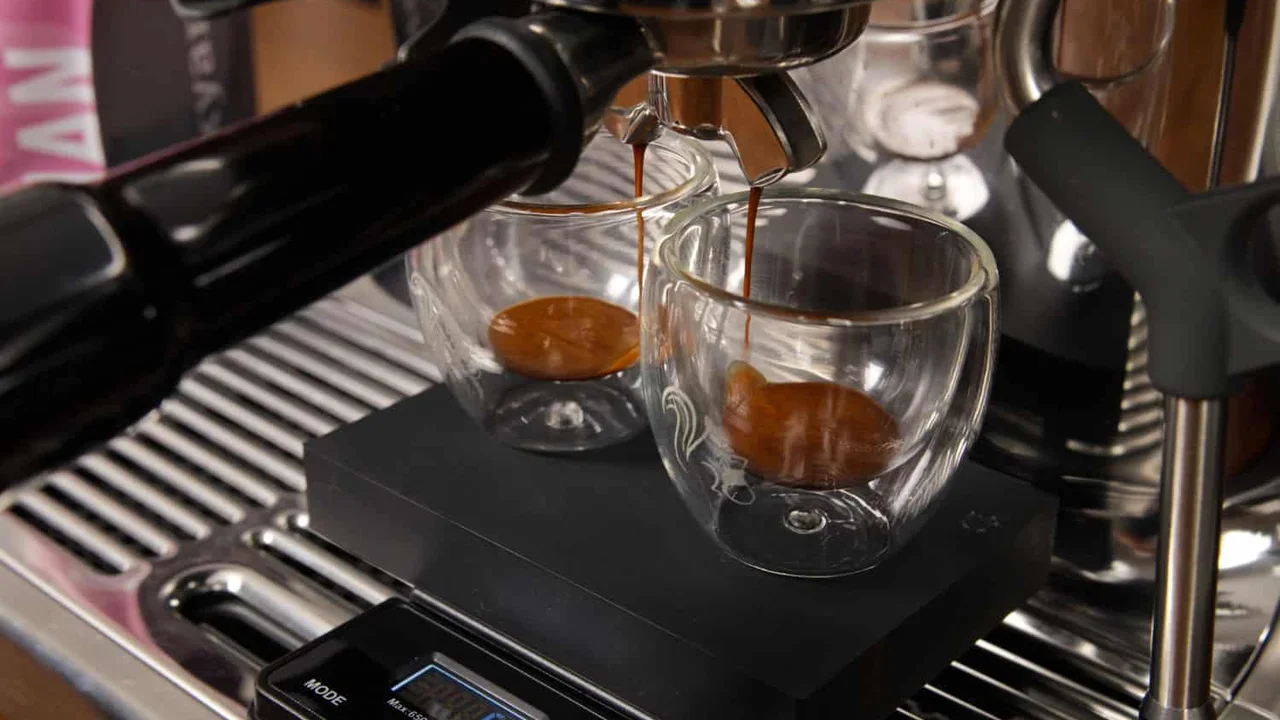
The golden rule for espresso is often a 1:2 ratio (coffee in to espresso out) in about 25-30 seconds. For example, if you put 18 grams of ground coffee into your portafilter, you aim for 36 grams of liquid espresso in 25-30 seconds. This is a starting point, not a strict rule. Some beans might taste better at a 1:2.5 or 1:3 ratio, or a slightly longer/shorter time. The key is consistency and tasting your results.
Step by Step Grinder Adjustment for Espresso Perfection
- Start with a Baseline: If you're using new beans, start with a grind setting that's slightly finer than what you'd use for drip coffee, but not powdery.
- Weigh Your Dose: Always weigh your coffee beans before grinding. Consistency here is key. For a standard double shot, 18-20 grams is a common starting point.
- Grind and Tamp: Grind your coffee into your portafilter, distribute it evenly, and tamp with consistent pressure.
- Pull Your Shot: Start your espresso machine's pump and simultaneously start a timer.
- Observe and Weigh: Watch the flow of the espresso. It should start as a dark, thick stream, then lighten and become more tiger-striped. Stop the shot when you reach your target output weight (e.g., 36 grams for an 18-gram dose). Note the time it took.
- Adjust Grind Size:
- If the shot ran too fast (e.g., 36g in 15 seconds): Your grind is too coarse. Adjust your grinder to a finer setting.
- If the shot ran too slow (e.g., 36g in 45 seconds) or choked: Your grind is too fine. Adjust your grinder to a coarser setting.
- Repeat and Refine: Make small adjustments to your grinder, then repeat steps 2-6. It might take several shots to dial in perfectly. Remember to purge a small amount of coffee after adjusting your grinder to clear out any old grounds from the previous setting.
- Taste Your Espresso: Ultimately, taste is king. Once you're in the 25-30 second window, taste your espresso. If it's sour, it might still be slightly under-extracted (try a touch finer). If it's bitter or astringent, it might be over-extracted (try a touch coarser).
Troubleshooting Common Espresso Grinding Issues
Even with a great grinder, you might encounter issues. Here are some common problems and solutions:
- Channeling: This is when water finds an easy path through the coffee puck, leading to uneven extraction. Causes include inconsistent grind, poor distribution, or uneven tamping. Solutions: Ensure your grinder is producing a consistent grind, use a WDT (Weiss Distribution Technique) tool to break up clumps and distribute grounds evenly, and tamp level.
- Clumping: Ground coffee sticking together in clumps. This can lead to channeling. Solutions: Some grinders are prone to this. Using a WDT tool is the best way to break up clumps. Some grinders have anti-static features to reduce this.
- Static: Grounds flying everywhere. Solutions: Some grinders have anti-static features. A light spritz of water on the beans before grinding (RDT - Ross Droplet Technique) can also help reduce static, but be careful not to introduce too much moisture.
- Retention: Ground coffee remaining in the grinder. Solutions: Single-dosing grinders like the Niche Zero are designed to minimize this. For other grinders, a bellows attachment or simply grinding a small amount of 'purge' coffee before your main dose can help.
- Grinder Choking: The grinder stops or struggles to grind. This usually happens when the grind setting is too fine for the beans or the motor is struggling. Solutions: Adjust to a coarser setting, ensure beans are not excessively oily and causing blockages.
Maintaining Your Espresso Grinder for Longevity and Performance
Regular cleaning and maintenance are crucial for your espresso grinder's performance and lifespan. Coffee oils and fine particles can build up, leading to stale flavors, inconsistent grinding, and even damage to the motor or burrs.
Regular Cleaning Tips for Espresso Grinders
- Daily/Weekly: Brush out the chute and burrs with a stiff brush (often provided with the grinder). Use a vacuum cleaner with a narrow attachment to suck out loose grounds from the grinding chamber.
- Monthly/Bi-Monthly (or as needed): Disassemble the burrs (refer to your grinder's manual for instructions). Use a brush and a dry cloth to thoroughly clean the burrs and the grinding chamber. You can also use specialized grinder cleaning tablets (like Grindz) which are designed to absorb coffee oils and break down old coffee residue. Follow the product instructions carefully.
- Avoid Water: Never use water or wet cloths to clean the burrs or internal components of your grinder. Moisture can cause rust and damage the electronics.
- Check for Wear: Periodically inspect your burrs for signs of wear. If they appear dull or chipped, it might be time for a replacement. The lifespan of burrs varies depending on usage and material, but typically ranges from several hundred to thousands of pounds of coffee.
When to Replace Burrs on Your Espresso Grinder
Burrs are the heart of your grinder, and over time, they will wear down, becoming dull. This leads to inconsistent grinding, more fines, and a noticeable decline in espresso quality (e.g., shots running faster, tasting less vibrant or more bitter). Signs that your burrs might need replacing include:
- Increased Grind Time: It takes longer to grind the same amount of coffee.
- Inconsistent Grind: More visible fines and boulders in your ground coffee.
- Dull or Chipped Burrs: A visual inspection reveals wear.
- Degraded Espresso Quality: Despite proper dialing in, your espresso tastes off or lacks clarity.
Refer to your grinder's manufacturer for recommended burr replacement intervals and where to purchase genuine replacement parts.
Final Thoughts on Choosing Your Espresso Grinder
Choosing the right espresso grinder is a significant step in your home barista journey. It's an investment that will pay dividends in the quality of your espresso and your overall enjoyment of the brewing process. Consider your budget, your workflow preferences (single-dosing vs. hopper), and how much precision you desire. Any of the grinders on our list will be a substantial upgrade from a blade grinder or a general-purpose burr grinder not designed for espresso. Take your time, do your research, and get ready to pull some truly amazing shots at home.
:max_bytes(150000):strip_icc()/277019-baked-pork-chops-with-cream-of-mushroom-soup-DDMFS-beauty-4x3-BG-7505-5762b731cf30447d9cbbbbbf387beafa.jpg)