The Role of Water Quality in Coffee Brewing
Understand why water quality is paramount for great coffee. Learn how to optimize your water for superior taste.
Understand why water quality is paramount for great coffee. Learn how to optimize your water for superior taste.
The Role of Water Quality in Coffee Brewing
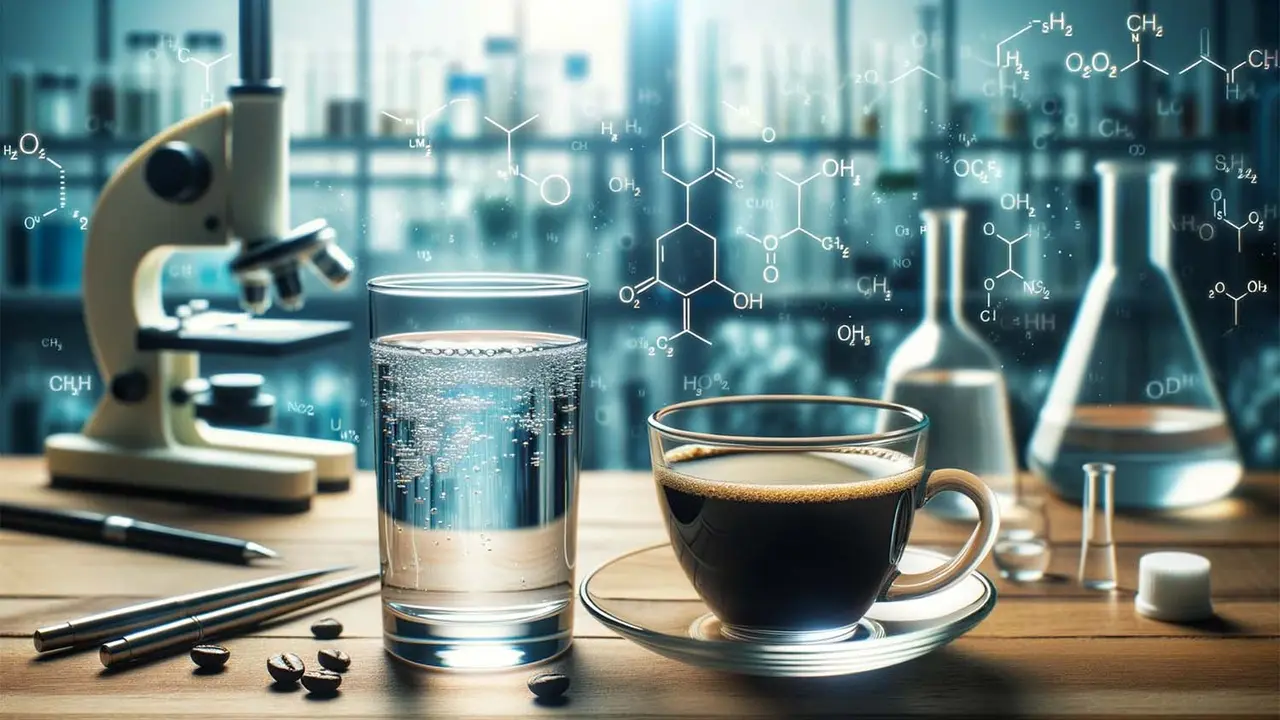
Hey coffee lovers! We spend so much time obsessing over beans, grinders, and brewing methods, but there's one crucial ingredient that often gets overlooked: water. Think about it – coffee is over 98% water! So, it stands to reason that the quality of your water will have a massive impact on the taste of your final brew. If you've ever wondered why your coffee tastes amazing at your favorite cafe but just 'meh' at home, water is very likely the culprit. Let's dive deep into why water quality matters so much and how you can optimize it for truly superior taste.
Why Water Quality is the Unsung Hero of Your Coffee
It's not just about being 'clean' water. Coffee brewing is a complex chemical process. Water acts as a solvent, extracting soluble compounds from the coffee grounds. These compounds are what give coffee its flavor, aroma, and body. If your water has too many dissolved minerals, too few, or the wrong kind, it can either over-extract, under-extract, or simply mute the delicate flavors of your expensive beans. Imagine trying to paint a masterpiece with muddy colors – that's what brewing with bad water is like for your coffee.
Total Dissolved Solids TDS and Coffee Flavor
When we talk about water quality for coffee, one of the first terms you'll hear is Total Dissolved Solids, or TDS. This refers to the concentration of all dissolved inorganic and organic substances in water. For coffee, the Specialty Coffee Association (SCA) recommends a TDS level of 75-250 mg/L (parts per million or ppm). Why this range? If your water has too low TDS (like distilled or reverse osmosis water without remineralization), it's too 'hungry.' It will aggressively extract compounds from your coffee, often leading to an over-extracted, harsh, or sour taste. On the flip side, if your water has too high TDS, it's already 'full' of minerals and won't be able to extract enough flavor from your coffee, resulting in a flat, weak, or under-extracted brew.
Water Hardness Calcium and Magnesium in Coffee
Beyond just TDS, the specific types of minerals in your water matter. The two big players are calcium and magnesium. These are the primary contributors to water hardness. Magnesium ions are particularly good at binding with coffee compounds, enhancing sweetness and fruitiness. Calcium ions also contribute to extraction and body. The SCA recommends a calcium hardness of 50-175 mg/L. Too much hardness can lead to scale buildup in your brewing equipment, which is a nightmare for maintenance and can also impart off-flavors. Too little hardness, and your coffee might taste thin or lack complexity.
Alkalinity and pH Balance for Optimal Coffee Extraction
Alkalinity, often measured as bicarbonate, acts as a buffer in your water, helping to stabilize the pH during brewing. The SCA recommends an alkalinity of 40 mg/L. This is crucial because coffee itself is acidic. If your water has very low alkalinity, the acidity of the coffee can become overwhelming, leading to a sour or sharp taste. Sufficient alkalinity helps to balance this acidity, resulting in a smoother, more pleasant cup. The ideal pH for brewing water is neutral, around 7.0. Deviations can significantly impact flavor.
Chlorine and Chloramines The Coffee Killers
This is a big one for many home baristas. Tap water in many areas is treated with chlorine or chloramines to kill bacteria. While great for public health, these chemicals are terrible for coffee. They react with coffee compounds, creating unpleasant, medicinal, or plastic-like off-flavors. Even a tiny amount can ruin a perfectly good cup. This is why filtering your tap water is often the first and most important step in improving your coffee.
Assessing Your Home Water Quality A Practical Guide
Before you can optimize your water, you need to know what you're starting with. Here are a few ways to assess your home water quality:
Using Water Test Strips for Quick Insights
Water test strips are an affordable and quick way to get a general idea of your water's hardness, alkalinity, and sometimes pH. They're not super precise, but they can tell you if you're in the ballpark or if you have major issues. You can find these at hardware stores, pet stores (for aquariums), or online. Just dip, wait, and compare to the color chart.
Digital TDS Meters for Precise Measurements
A digital TDS meter is a small, handheld device that gives you a precise reading of your water's Total Dissolved Solids. They are relatively inexpensive and easy to use. Simply turn it on, dip the probe into your water, and read the number. This is an essential tool for anyone serious about water quality for coffee.
Lab Testing for Comprehensive Analysis
For the most detailed analysis, you can send a water sample to a lab. Many companies offer home water testing kits where you collect a sample and mail it in. This will give you a complete breakdown of all minerals, contaminants, and other parameters, allowing you to tailor your water treatment precisely. This is often overkill for most home baristas but can be useful if you're facing persistent issues.
Checking Your Local Water Report Online
Your local water utility company is required to publish an annual water quality report (sometimes called a Consumer Confidence Report). This report will detail the source of your water, what contaminants are tested for, and the levels of various minerals and chemicals. While it gives you a general idea, remember that water quality can vary within a municipal system and even from tap to tap due to plumbing.
Optimizing Your Water for Superior Coffee Taste
Once you know your starting point, you can choose the best method to optimize your water. Here are the most common and effective strategies:
Activated Carbon Filters Removing Chlorine and Odors
This is the absolute minimum for any coffee enthusiast. Activated carbon filters are excellent at removing chlorine, chloramines, and other organic compounds that cause off-flavors and odors. They won't significantly alter mineral content, but they'll make your tap water taste much cleaner. You can find these in:
- Pitcher Filters: Brands like Brita and PUR are popular. They're convenient but filter slowly and have limited capacity.
- Faucet-Mounted Filters: Attach directly to your tap for on-demand filtered water.
- Under-Sink Filters: Provide filtered water from a dedicated tap or your main faucet. These are more robust and convenient.
Product Recommendation: Brita Standard Everyday Water Filter Pitcher (10 Cup) - Around $30-$40. Great for beginners, easy to use, and effectively removes chlorine. Ideal for small households or those just starting to consider water quality. Filters last about 2 months.
Product Recommendation: PUR Faucet Mount Filter (Advanced) - Around $30-$45. Attaches directly to your faucet, offering filtered water on demand. Good for convenience and removing chlorine, lead, and some other contaminants. Filters last about 3 months.
Reverse Osmosis RO Systems for Comprehensive Filtration
RO systems push water through a semi-permeable membrane, effectively removing almost all dissolved solids, including minerals, heavy metals, pesticides, and chlorine. The result is very pure water, often with a TDS close to 0 ppm. While this sounds great, remember that ultra-pure water is too 'hungry' for coffee. You'll need to remineralize it.
Product Recommendation: APEC Water Systems ROES-50 Essence Series 5-Stage RO System - Around $200-$250. This is a popular and reliable under-sink RO system. It provides highly purified water, which you would then need to remineralize for optimal coffee brewing. Installation requires some DIY skills or a plumber. Ideal for those with very hard or contaminated tap water.
Water Softeners Addressing Hardness and Scale
Water softeners use an ion-exchange process to remove calcium and magnesium ions, replacing them with sodium or potassium ions. This prevents scale buildup in your espresso machine and other appliances. However, softened water isn't ideal for coffee because it replaces beneficial minerals with sodium, which can make coffee taste salty or flat. Softeners are great for appliance longevity but usually require additional filtration or remineralization for coffee.
Remineralization Solutions for RO or Distilled Water
If you're using RO or distilled water, you'll need to add back the right balance of minerals. This is where you can truly dial in your water profile. There are several ways to do this:
- Mineral Drops/Concentrates: Products like Third Wave Water or Global Customized Water are specifically designed for coffee. You add a sachet or drops to a gallon of RO or distilled water, and it creates an ideal brewing profile.
- DIY Mineral Recipes: For the adventurous, you can create your own mineral solutions using food-grade Epsom salts (magnesium sulfate), baking soda (sodium bicarbonate), and gypsum (calcium sulfate). This requires precision and a good scale.
Product Recommendation: Third Wave Water Classic Profile (1 Gallon Stick Packs) - Around $15-$20 for a pack of 12. These small sachets contain a precise blend of minerals (magnesium sulfate, calcium citrate, sodium bicarbonate) that you add to a gallon of distilled or RO water. It's incredibly easy to use and consistently produces water optimized for coffee. Perfect for anyone using RO or distilled water and wanting a no-fuss solution. Each pack treats 1 gallon.
Product Recommendation: Global Customized Water Espresso Profile (Concentrate) - Around $25-$30. This is a liquid concentrate that you add to distilled or RO water. It's designed to create water ideal for espresso, enhancing body and sweetness. A single bottle can treat many gallons, making it cost-effective for high-volume users. Requires careful measurement.
Inline Filters and Water Tanks for Espresso Machines
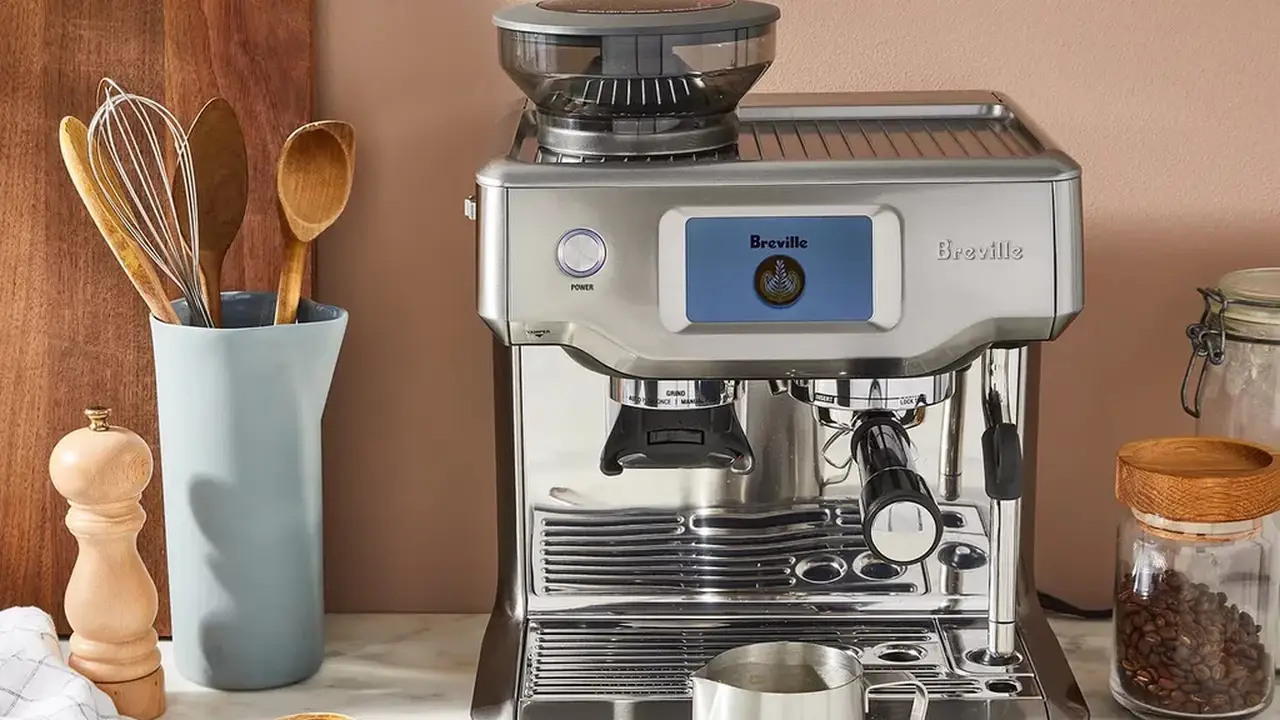
Many high-end espresso machines, especially plumbed-in models, use inline water filters. These often combine activated carbon with ion-exchange resins to reduce hardness and chlorine. For machines with water tanks, you can use specific water filter cartridges designed for coffee machines (e.g., Claris, BWT Bestmax). These are convenient but can be more expensive than external filtration.
Product Recommendation: BWT Bestmax Premium Water Filter Cartridge (various sizes) - Price varies significantly based on size, from $50 to $200+. These are professional-grade water filters often used in cafes, designed to be installed inline with plumbed-in espresso machines or used with specific tank systems. They not only remove chlorine but also optimize mineral content for coffee, often adding magnesium for enhanced flavor. Requires professional installation or specific machine compatibility. Ideal for serious home baristas with high-end machines.
Product Recommendation: Brita Intenza Water Filter for Philips Saeco Espresso Machines - Around $20-$25. Many automatic and semi-automatic espresso machines have slots for internal water filters. These are designed to reduce scale buildup and improve water taste directly within the machine's water tank. Check your machine's manual for compatible filters. Convenient for daily use.
The Impact of Water Temperature on Coffee Extraction
While not strictly 'water quality,' water temperature is intrinsically linked to how water extracts flavor. The SCA recommends a brewing temperature of 200°F ± 5°F (93°C ± 3°C). If your water is too cold, you'll under-extract, leading to sour, weak coffee. Too hot, and you risk over-extraction, resulting in bitter, harsh flavors. A good kettle with temperature control is a game-changer for pour-over and French press, and a stable boiler is essential for espresso machines.
Common Water Related Coffee Problems and Solutions
Let's troubleshoot some common issues you might encounter:
Sour or Under-Extracted Coffee Water Solutions
If your coffee tastes consistently sour, thin, or lacks body, it could be due to water that's too soft (low TDS, low mineral content) or too acidic. Solution: Consider adding minerals (like Third Wave Water) to your distilled or RO water, or if using tap, ensure your filter isn't removing too many beneficial minerals. Check your water's alkalinity.
Bitter or Over-Extracted Coffee Water Solutions
A bitter, harsh, or overly strong taste can sometimes be caused by water that's too hard (very high TDS, excessive mineral content). This can lead to over-extraction of undesirable compounds. Solution: Use a filter that reduces hardness, or consider an RO system followed by remineralization to a lower TDS.
Flat or Muted Coffee Flavors Water Solutions
If your coffee lacks vibrancy, aroma, or distinct flavor notes, your water might be too high in TDS, preventing proper extraction, or it might contain chlorine/chloramines. Solution: Use an activated carbon filter to remove chlorine. If TDS is high, consider an RO system and remineralize to the SCA recommended range.
Scale Buildup in Espresso Machines Water Solutions
This is a clear sign of very hard water (high calcium and magnesium). Scale can clog your machine, reduce heating efficiency, and eventually destroy it. Solution: Use a water filter designed to reduce hardness (ion-exchange filters, specific espresso machine filters like BWT). Regular descaling is also crucial, but prevention is better.
The Future of Coffee Water Smart Filtration and Customization
The world of coffee water is constantly evolving. We're seeing more sophisticated home filtration systems that allow for precise mineral adjustments. Some advanced espresso machines even have built-in water testing and recommendations. As home baristas become more educated, the demand for tailored water solutions will only grow. Imagine a future where your grinder, espresso machine, and water filter all communicate to ensure the perfect brew every single time.
Ultimately, paying attention to your water quality is one of the most impactful steps you can take to elevate your home coffee brewing. It's the foundation upon which all other brewing variables rest. So, next time you're brewing, take a moment to consider the clear liquid flowing into your kettle or machine. It might just be the secret ingredient you've been missing.
:max_bytes(150000):strip_icc()/277019-baked-pork-chops-with-cream-of-mushroom-soup-DDMFS-beauty-4x3-BG-7505-5762b731cf30447d9cbbbbbf387beafa.jpg)