The Psychology of Coffee Why We Love It
Explore the psychological reasons behind our love for coffee. Understand its role in daily rituals, productivity, and social connections.
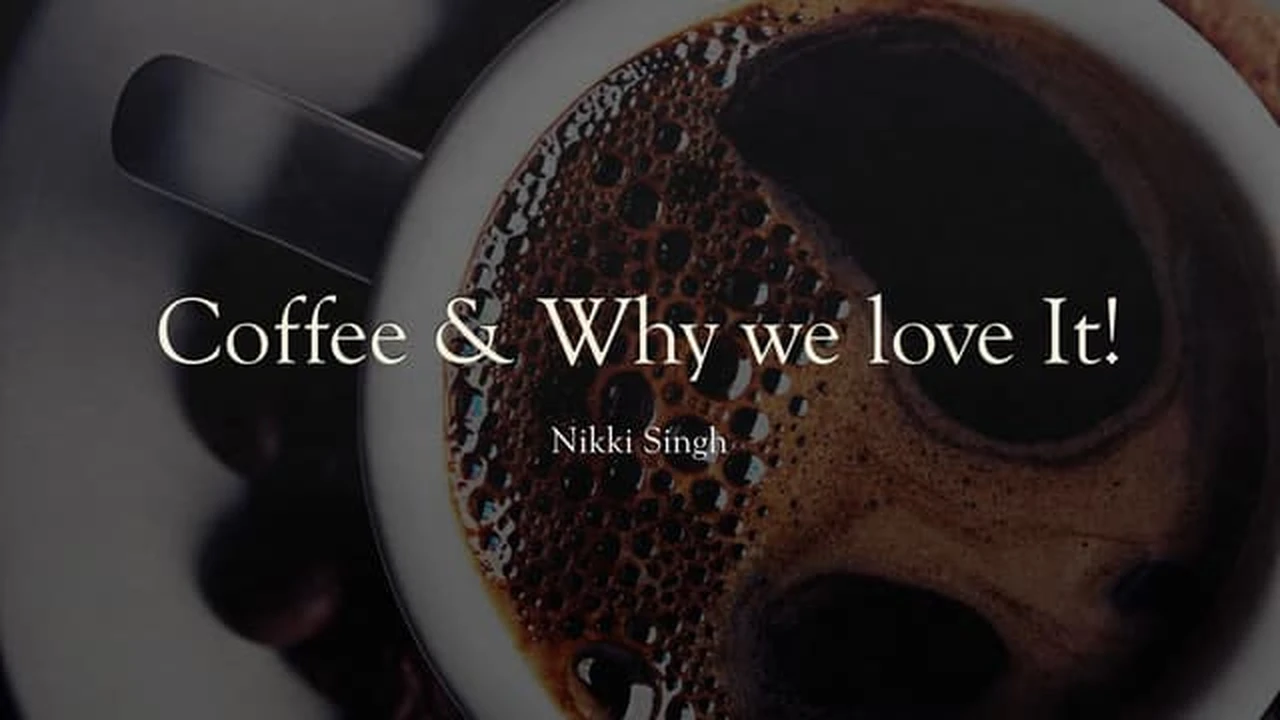
Explore the psychological reasons behind our love for coffee. Understand its role in daily rituals, productivity, and social connections.
The Psychology of Coffee Why We Love It
The Morning Ritual and Habit Formation
For millions around the globe, the day simply doesn't begin until that first sip of coffee. It's more than just a beverage; it's a deeply ingrained ritual, a comforting habit that signals the transition from sleep to wakefulness. This morning routine is a powerful psychological anchor. The aroma, the warmth of the mug, the familiar sound of the brewing machine – these sensory cues trigger a cascade of associations in our brains. We associate coffee with alertness, productivity, and the start of a new day. This Pavlovian response is incredibly strong. Even before the caffeine hits our bloodstream, the mere act of preparing and anticipating coffee can make us feel more awake and ready to tackle the day.
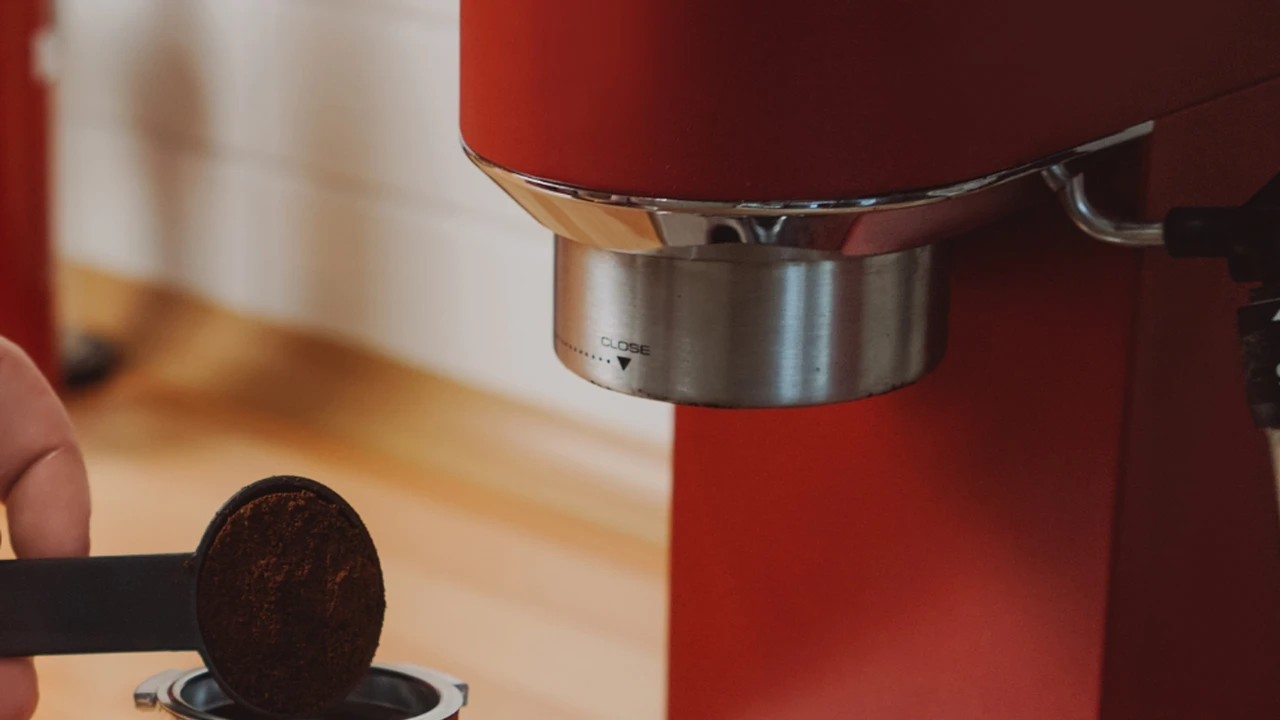
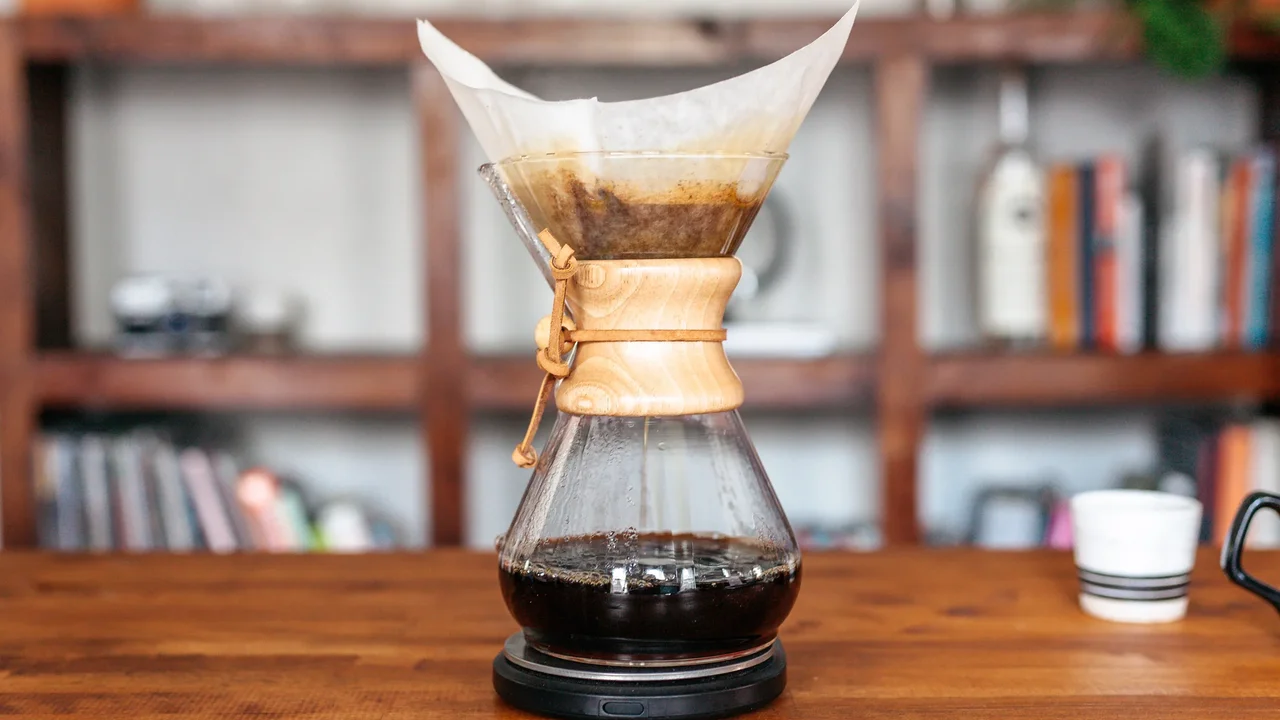
Consider the various ways people engage with this ritual. Some meticulously grind their beans, measure water, and perform a pour-over, turning it into a meditative practice. Others simply press a button on their automatic machine, valuing efficiency. Regardless of the method, the consistency of the ritual provides a sense of control and predictability in our often chaotic lives. This predictability is psychologically reassuring. It’s a small, manageable win at the start of the day, setting a positive tone. Breaking this routine can feel jarring, leading to a sense of unease or even a perceived lack of energy, even if the caffeine intake remains the same.
Caffeine The Psychoactive Powerhouse
At the heart of coffee's widespread appeal is caffeine, the world's most consumed psychoactive substance. Caffeine works by blocking adenosine, a neurotransmitter that promotes relaxation and sleepiness. When adenosine is blocked, other stimulating neurotransmitters like dopamine and norepinephrine can work more effectively, leading to increased alertness, improved focus, and a temporary boost in mood. This immediate and noticeable effect is a primary driver of coffee consumption. We drink coffee because it makes us feel good, more capable, and more engaged.
The dose-response relationship with caffeine is also fascinating. A moderate amount can enhance cognitive function, making us feel sharper and more productive. However, too much can lead to jitters, anxiety, and even impaired performance. Our bodies quickly learn to associate coffee with these desirable effects, reinforcing the habit. Over time, tolerance can develop, meaning we need more coffee to achieve the same level of alertness, which further solidifies its place in our daily lives. The psychological dependence on caffeine, while generally mild compared to other substances, is a real phenomenon that contributes to coffee's pervasive presence.
Social Connection and Cultural Significance of Coffee
Coffee is not just a personal ritual; it's a powerful social lubricant and a cornerstone of many cultures worldwide. Think about the phrase, “Let’s grab a coffee.” It’s an invitation for connection, conversation, and collaboration. Coffee shops serve as modern-day community hubs, places where friends catch up, colleagues brainstorm, and first dates unfold. The act of sharing a cup of coffee fosters a sense of camaraderie and intimacy. It provides a neutral, comfortable setting for interaction, making it easier to connect with others.
Across different cultures, coffee plays diverse roles. In Italy, espresso is a quick, standing affair, a moment of intense flavor and social interaction. In Turkey, coffee is brewed slowly, served with ceremony, and often used for fortune-telling. In Ethiopia, the birthplace of coffee, the coffee ceremony is a revered tradition, symbolizing hospitality and community. These cultural nuances highlight coffee's adaptability and its deep integration into human social fabric. The shared experience of coffee strengthens bonds and reinforces cultural identity, making it much more than just a drink.
The Sensory Experience Aroma Taste and Comfort
Beyond caffeine and social aspects, the sheer sensory pleasure of coffee is a significant psychological draw. The rich, complex aroma of freshly brewed coffee is often cited as one of its most appealing qualities. Our olfactory system is directly linked to the limbic system, the part of the brain responsible for emotion and memory. This means the smell of coffee can evoke powerful feelings of comfort, nostalgia, and happiness. It’s a scent that many find inherently pleasant and invigorating.
Then there's the taste. From the bitter notes of a dark roast to the fruity acidity of a light roast, the vast spectrum of flavors offers endless exploration. The warmth of a hot cup on a cold day, or the refreshing chill of an iced coffee in summer, adds to the overall sensory experience. This multi-sensory engagement makes coffee a deeply satisfying experience. It’s a moment of indulgence, a small luxury that we can afford ourselves daily. This consistent positive reinforcement from the sensory experience further solidifies our affection for coffee.
Coffee and Productivity The Performance Enhancer
Many people associate coffee directly with productivity and enhanced performance. This perception is rooted in caffeine's ability to improve alertness, concentration, and reaction time. For students pulling all-nighters, professionals facing deadlines, or anyone needing a mental boost, coffee is often the go-to solution. The psychological belief that coffee makes us more productive can even create a self-fulfilling prophecy. If we believe coffee helps us focus, we are more likely to feel focused after drinking it, regardless of the physiological effects.
This association with productivity extends to the workplace. Coffee breaks are institutionalized, providing a moment to recharge and socialize. The office coffee machine becomes a central point, facilitating informal discussions and fostering a sense of camaraderie among colleagues. Companies often invest in high-quality coffee machines, recognizing their role in employee morale and perceived productivity. This cultural embedding of coffee within work environments further reinforces its psychological link to getting things done.
The Role of Marketing and Brand Loyalty in Coffee Consumption
The psychology of coffee consumption is also heavily influenced by marketing and brand loyalty. Coffee companies understand the deep emotional connection people have with their daily brew and leverage this in their advertising. They sell not just coffee, but an experience, a lifestyle, or a sense of belonging. Think of the cozy, inviting atmosphere of a Starbucks, or the artisanal, craft appeal of a local roaster. These brands cultivate strong emotional ties with their customers, leading to fierce loyalty.
For example, Starbucks (average price for a latte: $4.50-$6.00) has mastered the art of creating a 'third place' – a comfortable environment between home and work. Their marketing emphasizes community, customization, and a premium experience. People are willing to pay more for a Starbucks coffee not just for the drink, but for the entire psychological package it offers: convenience, status, and a familiar comfort zone. Their mobile app and rewards program also tap into psychological principles of gamification and instant gratification, further cementing loyalty.
On the other hand, brands like Peet's Coffee (average price for a bag of beans: $12-$18) often focus on the quality of their beans, the roasting process, and a more traditional, serious coffee experience. Their target audience might be those who appreciate the craft and origin of their coffee, seeking a deeper connection to the product itself rather than just the social setting. Their marketing emphasizes heritage and expertise, appealing to a different psychological need for authenticity and quality.
Then there are the home brewing brands. Consider the Keurig K-Elite Coffee Maker (price: around $120-$170). Its marketing highlights convenience, speed, and variety. The psychological appeal here is instant gratification and personalization. You can have your preferred coffee, quickly, with minimal effort. This caters to a desire for efficiency and control over one's daily routine. The recurring purchase of K-Cups also creates a strong brand ecosystem and customer lock-in.
For the more discerning home barista, a brand like Breville Barista Express Espresso Machine (price: around $700-$800) is marketed towards those who seek mastery and a professional-level experience at home. The psychological draw is the ability to craft a perfect espresso, to engage in a hobby that requires skill and precision. It appeals to a desire for self-improvement and the satisfaction of creating something high-quality with one's own hands. The investment in such a machine is not just about the coffee, but about the identity of being a 'home barista'.
Even the humble Folgers Coffee (price: around $8-$15 for a large can) has a powerful psychological hold, particularly in the American market. Its marketing often evokes nostalgia, family, and the comfort of a classic, no-fuss cup of coffee. It appeals to a sense of tradition and familiarity, a reliable choice that has been part of many households for generations. The psychological comfort derived from this familiarity is a strong driver for continued purchase.
These examples illustrate how different brands tap into various psychological needs and desires, from convenience and status to authenticity and mastery, all contributing to our enduring love affair with coffee.
The Comfort Factor and Emotional Regulation
Coffee often serves as a source of comfort and a tool for emotional regulation. On a stressful day, a warm cup of coffee can feel like a hug in a mug, providing a moment of respite and calm. The routine of preparing and drinking coffee can be a form of self-care, a small act of kindness we perform for ourselves. This comfort factor is particularly potent during challenging times, offering a sense of normalcy and familiarity.
Moreover, coffee can be used to manage emotions. Feeling sluggish? Coffee provides a pick-me-up. Feeling overwhelmed? A coffee break offers a chance to step away and reset. This ability to subtly shift our emotional state contributes significantly to its psychological appeal. It’s a readily available, socially acceptable coping mechanism that helps us navigate the ups and downs of daily life.
The Placebo Effect and Expectation
Finally, the placebo effect plays a significant role in our perception of coffee. Even if a cup of coffee contains very little caffeine, or if we're drinking decaf, the expectation of feeling more alert and focused can actually make us feel that way. Our brains are incredibly powerful, and our beliefs about a substance can influence its effects. The ritual, the aroma, and the social context all contribute to this powerful expectation.
This means that part of our love for coffee isn't just about the caffeine; it's about what we believe coffee does for us. It's about the psychological boost, the sense of readiness, and the comfort it provides. This complex interplay of physiological effects, psychological associations, social rituals, and cultural meanings is why coffee holds such a unique and cherished place in our lives. It's more than just a drink; it's a deeply embedded part of the human experience.
:max_bytes(150000):strip_icc()/277019-baked-pork-chops-with-cream-of-mushroom-soup-DDMFS-beauty-4x3-BG-7505-5762b731cf30447d9cbbbbbf387beafa.jpg)