The Importance of Freshly Ground Coffee Beans
Understand why grinding coffee beans just before brewing makes a significant difference in taste and aroma. Maximize your coffee experience.
Understand why grinding coffee beans just before brewing makes a significant difference in taste and aroma. Maximize your coffee experience.
The Importance of Freshly Ground Coffee Beans
Why Freshness Matters The Science Behind the Flavor
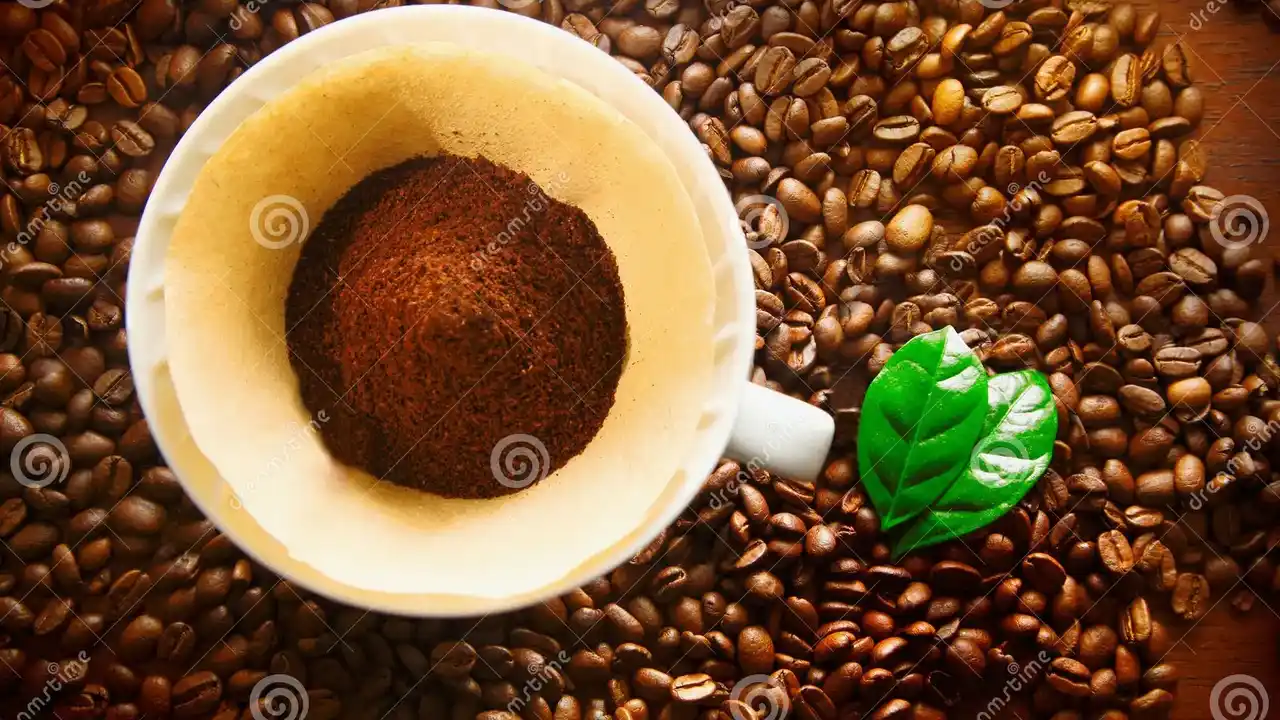
Ever wondered why that cup of coffee from your favorite cafe tastes so much better than the one you brew at home, even if you're using similar beans? Often, the secret lies in freshness, specifically the freshness of the grind. Coffee beans are essentially tiny flavor capsules, packed with hundreds of volatile aromatic compounds. These compounds are what give coffee its incredible complexity – notes of chocolate, fruit, nuts, florals, and everything in between. The moment you grind coffee beans, you dramatically increase their surface area, exposing these delicate compounds to oxygen, moisture, and light. This exposure is the enemy of flavor.
Oxidation is the primary culprit. Just like an apple turns brown after you slice it, coffee grounds begin to lose their aromatic oils and develop stale, bitter flavors almost immediately after grinding. Moisture can also be absorbed, leading to clumping and uneven extraction. Light, especially UV light, can further degrade the compounds. Think of it this way: a whole coffee bean is like a sealed vault protecting its treasures. Grinding it opens that vault, and the treasures start to dissipate into the air. That's why the difference between pre-ground coffee and freshly ground coffee is so profound. Pre-ground coffee, even if it's high quality, has already lost a significant portion of its potential before it even reaches your brewing device.
The Impact of Grind Size Consistency and Extraction
Beyond just freshness, the consistency of your grind is paramount. When you grind coffee, you're aiming for particles that are as uniform in size as possible. Why? Because water extracts flavor from coffee. If you have a mix of very fine particles and very coarse particles, the water will extract differently from each. The fine particles will over-extract quickly, leading to bitterness and astringency, while the coarse particles will under-extract, resulting in sourness and a weak brew. This is known as uneven extraction, and it's a common reason for disappointing coffee.
A consistent grind allows for even extraction, meaning the water flows through the coffee bed at a uniform rate, dissolving the desirable compounds at the same pace from all particles. This leads to a balanced, flavorful, and enjoyable cup. Different brewing methods require different grind sizes. Espresso needs a very fine, almost powdery grind for quick, high-pressure extraction. Pour-over and drip coffee require a medium grind, allowing for a steady flow. French press needs a coarse grind to prevent sediment. Using a grinder that can produce a consistent grind at the correct size for your chosen brewing method is non-negotiable for quality coffee.
Choosing the Right Grinder Burr vs Blade Grinders
When it comes to coffee grinders, there are two main types: blade grinders and burr grinders. If you're serious about your coffee, you absolutely need a burr grinder. Blade grinders, often resembling small blenders, don't actually grind coffee; they chop it. This chopping action creates an inconsistent mix of fine dust and large chunks, leading to all the uneven extraction problems we just discussed. They also generate heat, which can prematurely burn off delicate aromatics.
Burr grinders, on the other hand, use two abrasive surfaces (burrs) that crush and grind the coffee beans between them. This method produces a much more uniform particle size. Burr grinders come in two main forms: conical burrs and flat burrs. Both are excellent, with subtle differences in grind consistency and flavor profile that are often debated among enthusiasts. Conical burrs are generally quieter and produce a slightly wider range of particle sizes, which some argue is beneficial for certain brewing methods. Flat burrs tend to produce a very uniform grind, often preferred for espresso. Regardless of the burr type, a quality burr grinder is the single most important investment you can make after your coffee beans themselves.
Recommended Burr Grinders for Every Budget and Brewing Style
Let's talk about some specific grinders that can elevate your home brewing game. Remember, prices are approximate and can vary.
Entry Level Excellence Under 150 Dollars
- Baratza Encore ESP: This is often considered the gold standard for entry-level electric burr grinders. It's incredibly versatile, capable of grinding for everything from French press to espresso. It features 40 grind settings, making it easy to dial in your perfect brew. It's durable, easy to clean, and Baratza has excellent customer support and readily available parts. For around $149, it's an unbeatable value that will last you years. It's perfect for someone just starting their home barista journey who wants a significant upgrade from pre-ground coffee.
- Capresso Infinity Conical Burr Grinder: Another solid choice in this price range, typically around $99-$120. It offers 16 grind settings and a slow grinding speed to minimize heat and preserve aroma. It's known for its consistent grind and relatively quiet operation. Great for drip, pour-over, and French press.
- Timemore Chestnut C2 Manual Coffee Grinder: If you're on a tighter budget or prefer manual grinding for portability and precision, the Timemore C2 (around $60-$80) is a fantastic option. It features sharp steel burrs that produce a surprisingly consistent grind for its price point. It's compact, durable, and perfect for travel or for those who enjoy the ritual of hand grinding. Ideal for pour-over and AeroPress.
Mid Range Performers 150 to 400 Dollars
- Baratza Virtuoso+: An upgrade from the Encore, the Virtuoso+ (around $249) offers more precise grind adjustments and a more powerful motor, leading to even greater consistency and speed. It's a workhorse that can handle daily grinding with ease and is a favorite among serious home brewers. Excellent for all brew methods, including entry-level espresso.
- Fellow Ode Brew Grinder Gen 2: This grinder (around $345) is a design marvel and a performance beast, specifically optimized for brew methods like pour-over, French press, and cold brew. It features large 64mm flat burrs that produce an incredibly uniform grind, leading to exceptional clarity in your cup. It's not designed for espresso, but for filter coffee, it's top-tier. It also has a single-dose workflow, meaning you only grind the beans you need, minimizing waste and maximizing freshness.
- Eureka Mignon Notte/Manuale: Stepping into the world of espresso-focused grinders, the Eureka Mignon Notte (around $329) is a fantastic entry point. While it can do filter coffee, its strength lies in its ability to produce the fine, consistent grind needed for espresso. It's compact, quiet, and built like a tank. If you're serious about pulling great espresso shots at home, this is a strong contender.
High End Precision 400 Dollars and Up
- Niche Zero Grinder: A cult favorite (around $600-$700, depending on import), the Niche Zero is a single-dose conical burr grinder renowned for its exceptional grind quality across all brew methods, especially espresso. Its unique design minimizes retention, meaning virtually no old coffee grounds are left behind, ensuring ultimate freshness for every dose. It's quiet, beautiful, and delivers professional-level results.
- Eureka Mignon Specialita: An upgrade from the Notte, the Specialita (around $650) offers larger 55mm flat burrs, a digital touchscreen, and timed dosing. It's incredibly precise and consistent, making it a dream for espresso enthusiasts. It's also very quiet and durable, a true investment for your home espresso setup.
- Baratza Forte AP/BG: For the ultimate home or light commercial use, the Baratza Forte (around $900) is a powerhouse. Available in two versions (AP for All-Purpose, BG for Brew Grinding), it features ceramic flat burrs and a robust build. It offers macro and micro adjustments for unparalleled precision and can handle high volumes of coffee. This is for the serious enthusiast who demands the best.
The Ritual of Grinding Your Own Beans Enhancing Your Coffee Experience
Beyond the scientific benefits of flavor and consistency, there's a profound joy in grinding your own coffee beans. It's a sensory experience that kickstarts your morning ritual. The sound of the beans being crushed, the immediate rush of fresh coffee aroma filling your kitchen – these are small pleasures that elevate the entire coffee-making process. It connects you more deeply to the beverage you're about to enjoy, transforming it from a simple caffeine delivery system into an artisanal craft.
For many home baristas, the act of grinding is a meditative moment, a pause before the day begins. It allows you to appreciate the journey of the coffee bean, from farm to cup, and to take pride in the quality of the brew you're creating. It's about control, too. You have the power to adjust the grind size to perfectly match your brewing method and even fine-tune it for different beans or desired flavor profiles. This level of customization is simply not possible with pre-ground coffee.
Maximizing Freshness Storage Tips for Whole Beans
Even with the best grinder, your coffee won't taste its best if your whole beans aren't stored properly. Remember, oxygen, light, heat, and moisture are the enemies of freshness. Here's how to keep your whole beans at their peak:
- Airtight Container: Transfer your beans from their original bag into an opaque, airtight container immediately after opening. Glass jars with rubber seals or specialized coffee canisters with one-way valves are excellent choices.
- Cool, Dark Place: Store the container in a cool, dark pantry or cupboard. Avoid storing coffee in the refrigerator or freezer unless you plan to keep it there for an extended period (months) and ensure it's in a truly airtight, vacuum-sealed bag to prevent moisture absorption and flavor contamination. Frequent removal from the freezer can cause condensation, which is detrimental.
- Buy Fresh, Buy Often: The best practice is to buy smaller quantities of freshly roasted beans more frequently. Look for roast dates on the bag; ideally, you want beans that were roasted within the last 2-3 weeks. Coffee is at its peak flavor between 5-14 days post-roast.
- Grind Just Before Brewing: This is the golden rule. Only grind the amount of coffee you need for your immediate brew. Do not grind a large batch for the week ahead; you'll lose most of the flavor.
The Flavor Difference A Taste Test Challenge
If you're still skeptical about the impact of freshly ground coffee, I encourage you to conduct a simple taste test. Buy a bag of high-quality whole beans and a bag of the same coffee, pre-ground. Brew two cups side-by-side, one with freshly ground beans and one with the pre-ground. Pay attention to the aroma, the initial taste, the body, and the aftertaste. You'll likely notice a significant difference: the freshly ground coffee will be more vibrant, aromatic, complex, and balanced, while the pre-ground might taste flatter, duller, or even slightly bitter or stale.
This experiment often convinces even the most casual coffee drinkers of the undeniable superiority of fresh grinding. It's not just a snobby barista preference; it's a fundamental principle of coffee quality. Investing in a good burr grinder and adopting the habit of grinding just before brewing is one of the most impactful steps you can take to elevate your home coffee experience from good to truly exceptional.
Beyond the Grind Water Quality and Bean Selection
While grinding fresh is crucial, remember it's part of a larger ecosystem. Your water quality plays a massive role – filtered water free of chlorine and excessive minerals will always yield a better cup. The quality of your coffee beans themselves is also paramount; even the best grinder can't make bad beans taste good. Experiment with different origins, roasts, and processing methods to discover what you love. Ultimately, the journey of home brewing is about continuous learning and refinement, and mastering the grind is a foundational step on that exciting path.
:max_bytes(150000):strip_icc()/277019-baked-pork-chops-with-cream-of-mushroom-soup-DDMFS-beauty-4x3-BG-7505-5762b731cf30447d9cbbbbbf387beafa.jpg)