Learn how to make your home coffee routine more sustainable. Reduce waste, choose ethical beans, and minimize your environmental footprint.
Learn how to make your home coffee routine more sustainable. Reduce waste, choose ethical beans, and minimize your environmental footprint.
Sustainable Coffee Practices for the Home Barista
Why Sustainable Coffee Matters for Every Home Barista
Hey coffee lovers! We all cherish that morning ritual, the rich aroma, the comforting warmth of a perfectly brewed cup. But have you ever stopped to think about the journey your coffee takes before it reaches your mug? From the farm to your kitchen, coffee production can have a significant impact on our planet and the people who grow it. As home baristas, we have a unique opportunity to make a difference, one sustainable cup at a time. Embracing sustainable coffee practices isn't just a trend; it's a conscious choice that benefits the environment, supports ethical labor, and often, even improves the quality of your brew. Let's dive into how you can make your home coffee routine more eco-friendly and socially responsible.
Choosing Ethical Coffee Beans Your First Step to Sustainability
This is arguably the most impactful change you can make. The type of coffee beans you buy directly influences environmental practices and farmer livelihoods. Look for certifications and understand what they mean.
Fair Trade Certified Coffee Beans Supporting Farmers and Communities
Fair Trade certification ensures that farmers receive a fair and stable price for their coffee, often above market rates. This helps them invest in their farms, communities, and sustainable practices. It also promotes safe working conditions and prohibits child labor. When you see the Fair Trade logo, you know your purchase is directly empowering coffee growers.
* Product Recommendation: Equal Exchange Organic Whole Bean Coffee
* Why it's great: A pioneer in fair trade, Equal Exchange offers a wide range of delicious, ethically sourced organic coffees. They work directly with small farmer cooperatives, ensuring transparency and fair prices.
* Typical Price: $10-$15 for a 12oz bag.
* Where to Buy: Most major supermarkets, Whole Foods, online retailers like Amazon.
Organic Coffee Beans Protecting the Planet and Your Health
Organic coffee is grown without synthetic pesticides, herbicides, or fertilizers. This protects biodiversity, soil health, and water sources. It also means fewer harmful chemicals in your cup. Look for USDA Organic or similar certifications.
* Product Recommendation: Death Wish Coffee Organic Whole Bean
* Why it's great: Known for its high caffeine content, Death Wish also offers certified organic and fair trade options. Their commitment to quality extends to their sourcing practices.
* Typical Price: $18-$22 for a 16oz bag.
* Where to Buy: Their official website, Amazon, some specialty grocery stores.
Rainforest Alliance certification focuses on environmental conservation, including protecting forests, waterways, and wildlife habitats. It also promotes sustainable farming methods and fair treatment of workers. This certification is about holistic sustainability.
* Product Recommendation: Lavazza Super Crema Whole Bean Coffee Blend (often Rainforest Alliance certified)
* Why it's great: A popular Italian brand, many of Lavazza's blends, including Super Crema, carry the Rainforest Alliance seal, offering a widely available and delicious option for sustainable espresso.
* Typical Price: $15-$20 for a 2.2lb bag.
* Where to Buy: Supermarkets, Italian specialty stores, Amazon.
Direct Trade Coffee Beans Building Relationships and Quality
Direct trade means roasters purchase beans directly from farmers, cutting out intermediaries. This often results in higher prices for farmers and greater transparency. It also fosters long-term relationships and allows roasters to ensure quality and sustainable practices firsthand. While not a formal certification, it's a strong indicator of ethical sourcing.
* Product Recommendation: Counter Culture Coffee (various single origins and blends)
* Why it's great: Counter Culture is a leader in direct trade, publishing transparency reports and building deep relationships with their farming partners. Their coffees are consistently high quality and ethically sourced.
* Typical Price: $16-$20 for a 12oz bag.
* Where to Buy: Specialty coffee shops, their website, Whole Foods.
Reducing Waste in Your Home Coffee Routine
Beyond the beans, there's a lot you can do to minimize waste in your daily brewing.
Reusable Coffee Filters and Pods An Eco-Friendly Alternative
Single-use filters and plastic pods contribute significantly to landfill waste. Switching to reusable options is a simple yet effective change.
* For Drip Coffee/Pour Over:
* Product Recommendation: Able Kone Coffee Filter (for Chemex/pour over) or Gold Tone Reusable Coffee Filter (for drip machines)
* Why it's great: Made from durable stainless steel, these filters eliminate the need for paper filters, saving trees and reducing waste. They also allow more coffee oils to pass through, often resulting in a richer cup.
* Typical Price: Kone: $30-$40; Gold Tone: $8-$15.
* Where to Buy: Specialty coffee shops, Amazon, kitchenware stores.
* Comparison: The Able Kone is designed specifically for Chemex and offers a very clean cup. Gold Tone filters are more universal for standard drip machines. Both are excellent for reducing paper waste.
* For Pod Machines (e.g., Keurig, Nespresso):
* Product Recommendation: Reusable K-Cups (for Keurig) or Stainless Steel Nespresso Pods
* Why it's great: These allow you to use your own ground coffee in pod machines, drastically cutting down on plastic waste. You can fill them with your favorite sustainable beans.
* Typical Price: K-Cups: $8-$15 for a multi-pack; Nespresso Pods: $20-$30 for a single pod.
* Where to Buy: Amazon, department stores.
* Comparison: Reusable K-Cups are widely available and easy to use. Stainless steel Nespresso pods are a bit more of an investment but are very durable and offer a premium feel.
Composting Coffee Grounds Giving Back to the Earth
Don't just toss those spent grounds! Coffee grounds are a fantastic addition to compost piles or can be directly added to garden soil. They are rich in nitrogen, which is great for plants.
* How to: Simply collect your used grounds and add them to your compost bin. If you don't compost, you can sprinkle them directly around acid-loving plants like roses, blueberries, or hydrangeas. Just be mindful not to overdo it, as too much can alter soil pH.
Reusable Coffee Cups and Tumblers Ditching Disposable Cups
If you grab coffee on the go, bringing your own reusable cup is a no-brainer. Many coffee shops even offer a discount for doing so.
* Product Recommendation: KeepCup Brew Glass Reusable Coffee Cup or Hydro Flask Coffee Mug
* Why it's great: KeepCup offers a stylish and durable glass option, perfect for enjoying your coffee's aroma. Hydro Flask provides excellent insulation, keeping your coffee hot for hours.
* Typical Price: KeepCup: $20-$30; Hydro Flask: $25-$35.
* Where to Buy: Specialty coffee shops, outdoor retailers, Amazon, department stores.
* Comparison: KeepCup is great for a cafe experience and fits under most espresso machines. Hydro Flask is ideal for commuting and keeping drinks hot or cold for extended periods.
Energy Efficiency in Your Brewing Setup
Your brewing equipment also plays a role in your environmental footprint. Consider energy consumption when choosing and using your machines.
Energy-Efficient Espresso Machines and Coffee Makers Saving Power
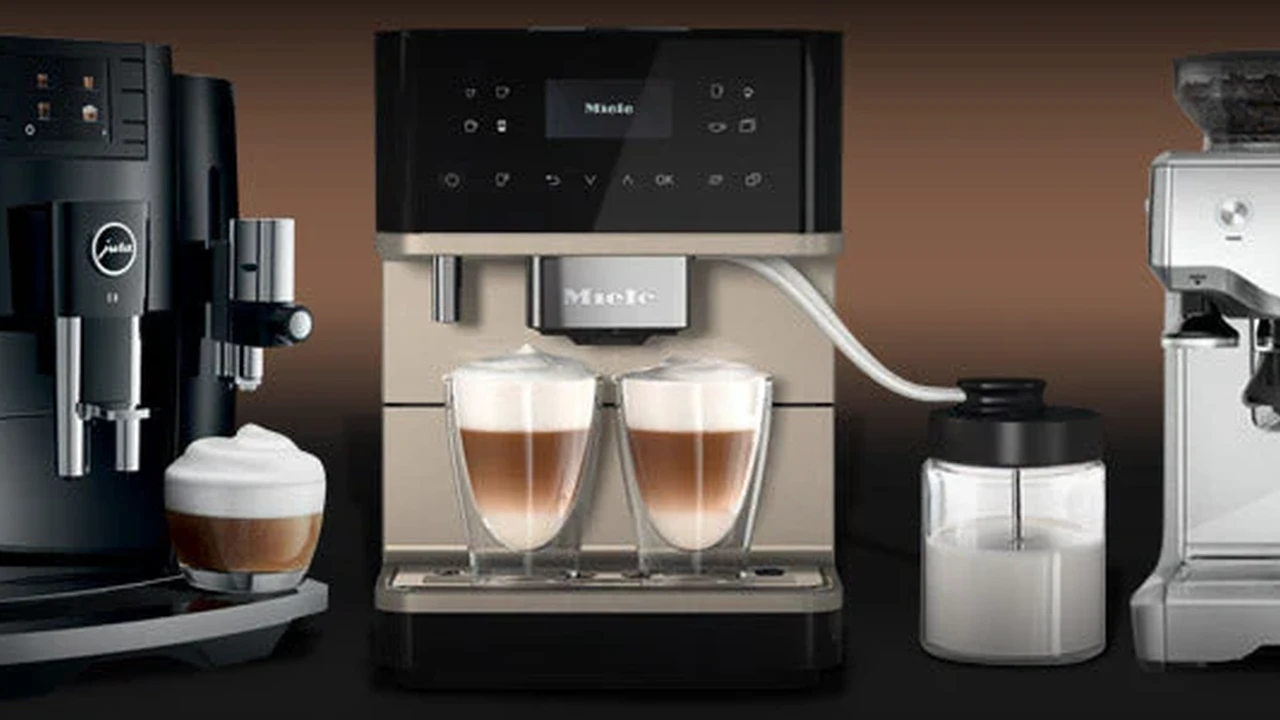
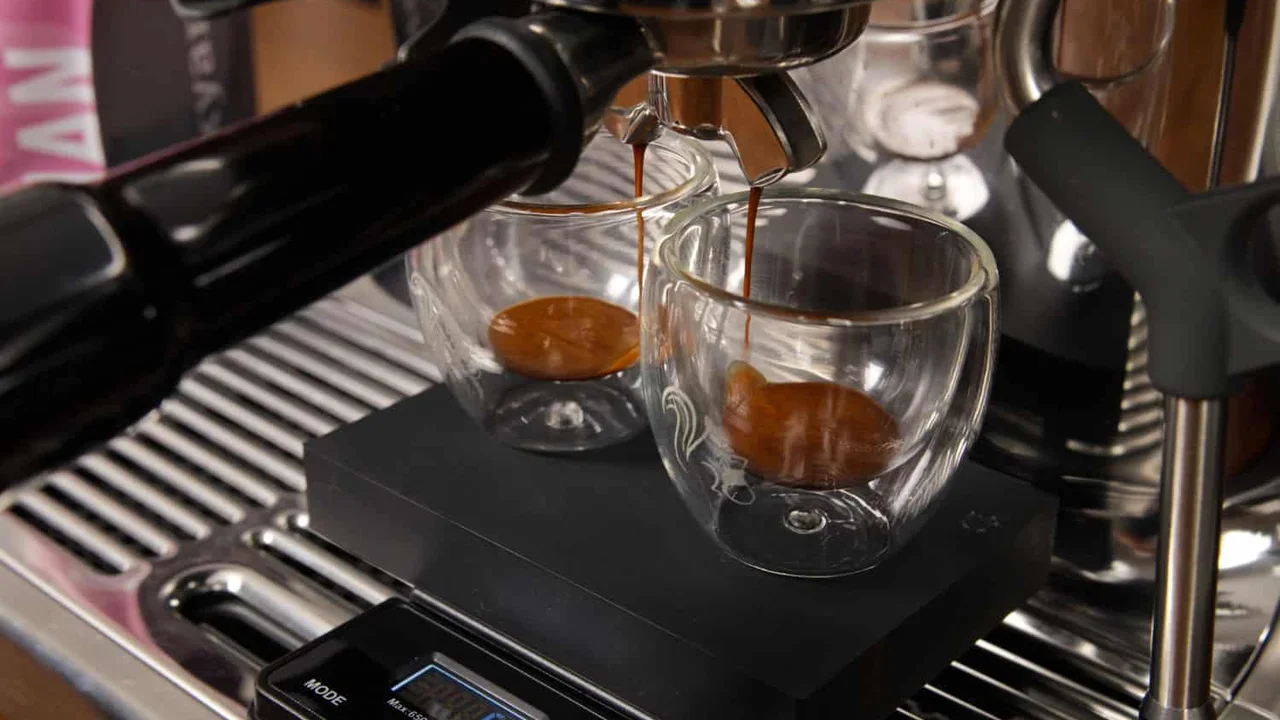
Look for machines with energy-saving features like automatic shut-off or programmable timers. While a high-end espresso machine might draw more power when active, its overall consumption can be managed.
* Product Recommendation: Breville Barista Express Impress (Espresso Machine) or Technivorm Moccamaster (Drip Coffee Maker)
* Why it's great: The Breville Barista Express Impress has an energy-saving mode and auto-off function. The Moccamaster is known for its efficient brewing process and durable, long-lasting components, reducing the need for frequent replacements.
* Typical Price: Breville: $800-$900; Moccamaster: $300-$350.
* Where to Buy: Department stores, specialty coffee retailers, Amazon.
* Comparison: The Breville is an all-in-one espresso solution with energy-saving features. The Moccamaster is a top-tier drip machine that brews quickly and efficiently, designed for longevity.
Unplugging Appliances When Not in Use Eliminating Phantom Power
Even when turned off, many appliances draw a small amount of electricity, known as 'phantom load' or 'vampire power.' Unplugging your coffee maker, grinder, and espresso machine when not in use can add up to significant energy savings over time.
Water Conservation in Your Coffee Routine
Water is a precious resource, and coffee brewing uses a fair bit of it. Be mindful of your water usage.
Using Only What You Need Minimizing Water Waste
Only fill your kettle or coffee maker with the amount of water you actually need for your brew. Avoid running the tap unnecessarily while rinsing equipment.
Water Filters and Their Environmental Impact Choosing Wisely
While water filters are crucial for good coffee and machine longevity, consider their environmental impact. Some filters are recyclable, and others are not. Look for options with longer lifespans or those made from sustainable materials.
* Product Recommendation: BWT Bestmax Premium Water Filter (for espresso machines) or Brita Longlast Filter (for general use)
* Why it's great: BWT filters are designed for coffee machines, improving water quality and protecting against scale, extending machine life. Brita Longlast filters reduce the frequency of filter changes.
* Typical Price: BWT: $40-$60 (for a cartridge); Brita: $15-$20 (for a single filter).
* Where to Buy: Specialty coffee retailers, Amazon, department stores.
* Comparison: BWT is a professional-grade filter system for serious espresso enthusiasts, often requiring a specific setup. Brita is a more common household filter for pitchers, suitable for drip coffee and general use.
Supporting Local and Small Businesses
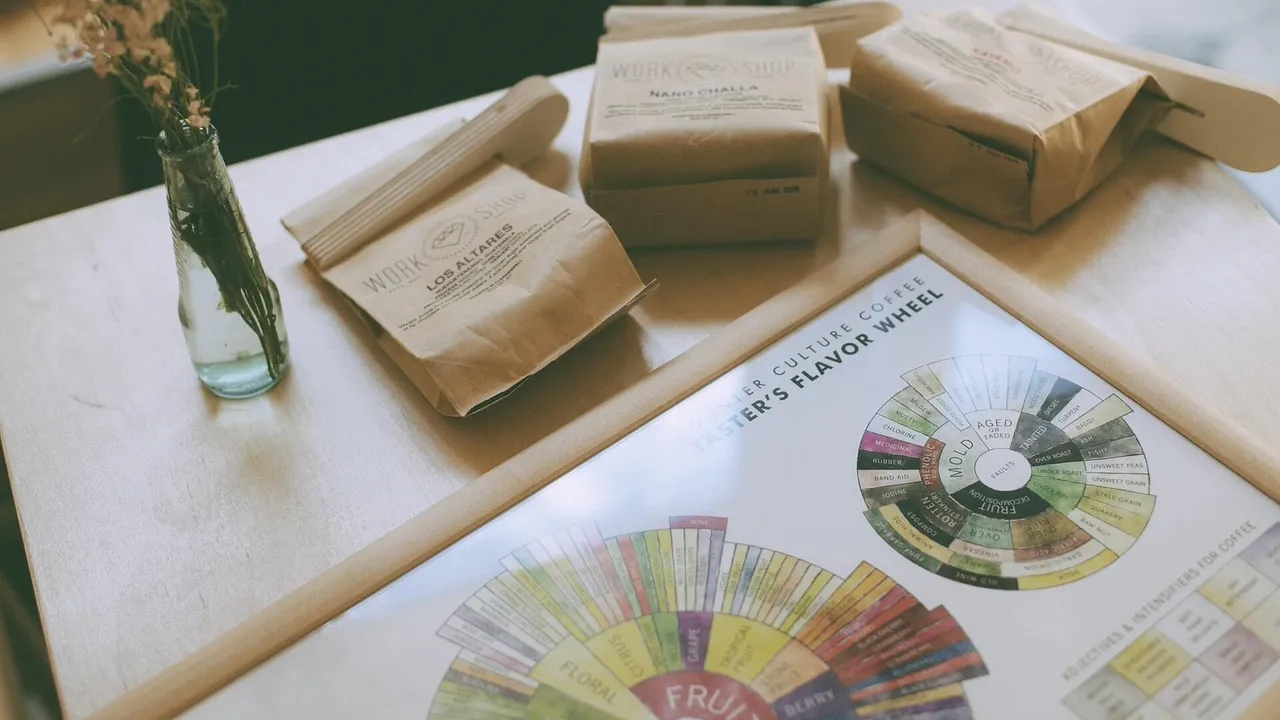
When you buy from local roasters or small coffee shops, you're often supporting businesses that prioritize sustainability and ethical sourcing. They tend to have shorter supply chains and a more direct relationship with their producers.
Visiting Local Roasters Understanding Your Coffee's Journey
Many local roasters are passionate about sustainability. They can tell you exactly where their beans come from, how they're processed, and what ethical practices they support. This transparency is invaluable.
Long-Term Care and Maintenance Extending Appliance Lifespan
One of the most sustainable things you can do is to make your existing equipment last longer. This reduces the need for new manufacturing and minimizes electronic waste.
Regular Cleaning and Descaling Protecting Your Investment
Regular cleaning and descaling of your espresso machine, grinder, and coffee maker prevent mineral buildup and ensure optimal performance. This extends the life of your appliances and maintains coffee quality.
* Product Recommendation: Urnex Dezcal Activated Descaler or Cafiza Espresso Machine Cleaning Tablets
* Why it's great: Urnex products are industry standards for coffee equipment cleaning. Dezcal effectively removes limescale, and Cafiza cleans espresso machine group heads and portafilters, ensuring your machine runs smoothly and your coffee tastes great.
* Typical Price: Dezcal: $10-$15 for a pack; Cafiza: $15-$20 for a jar of tablets.
* Where to Buy: Specialty coffee retailers, Amazon.
* Comparison: Dezcal is for descaling (removing mineral buildup from water paths), while Cafiza is for backflushing and cleaning the brew path of espresso machines (removing coffee oils and residue). Both are essential for maintenance.
Repairing Instead of Replacing A Sustainable Mindset
If an appliance breaks, consider repairing it before buying a new one. Many parts are replaceable, and there are often repair guides or services available. This reduces electronic waste and saves resources.
Educating Yourself and Others Spreading the Word
Finally, share what you learn! The more people who understand and adopt sustainable coffee practices, the greater the positive impact we can collectively have. Read up on coffee ethics, watch documentaries, and talk to your local baristas and roasters. Every small step contributes to a more sustainable coffee future.
:max_bytes(150000):strip_icc()/277019-baked-pork-chops-with-cream-of-mushroom-soup-DDMFS-beauty-4x3-BG-7505-5762b731cf30447d9cbbbbbf387beafa.jpg)