How to Host a Coffee Tasting Party at Home
Organize a fun and educational coffee tasting party. Learn how to set up, taste, and discuss different coffees with friends.
Organize a fun and educational coffee tasting party. Learn how to set up, taste, and discuss different coffees with friends.
How to Host a Coffee Tasting Party at Home
Hey coffee lovers! Ever wanted to dive deeper into the world of coffee, beyond just your daily brew? Hosting a coffee tasting party, also known as a 'cupping,' is an amazing way to explore different flavors, origins, and brewing methods with your friends. It's not just about sipping; it's about engaging your senses, learning, and having a blast. Think of it as a wine tasting, but for coffee! This guide will walk you through everything you need to know to throw an unforgettable coffee tasting party right in your own home.
Why Host a Coffee Tasting Party Exploring Coffee Flavors and Aromas
So, why bother with a coffee tasting? Well, for starters, it's incredibly fun and social. It's a fantastic excuse to get together with friends who share your passion for coffee. Beyond that, it's a brilliant educational experience. You'll learn to identify subtle notes like citrus, chocolate, floral, or nutty flavors that you might never have noticed before. It sharpens your palate and deepens your appreciation for the complexity of coffee. Plus, it's a great way to discover new favorite beans and brewing techniques. You'll move beyond just 'dark roast' or 'light roast' and start understanding the nuances of single-origin coffees and blends.
Setting the Scene Essential Coffee Tasting Party Supplies and Setup
Before your guests arrive, you'll want to get your space ready. A clean, well-lit area with minimal distractions is ideal. You want to focus on the coffee, not on clutter! Here's a checklist of what you'll need:
Coffee Beans Selection Diverse Coffee Origins and Roasts
This is the star of the show! Aim for 3-5 different coffees. Variety is key here. Don't just pick all dark roasts. Try to include:
- Different Origins: A bright, fruity African coffee (like an Ethiopian Yirgacheffe), a balanced Central American (like a Colombian or Guatemalan), and a rich, earthy Indonesian (like a Sumatra).
- Different Roast Levels: A light roast, a medium roast, and a dark roast. This will highlight how roasting affects flavor.
- Processing Methods: If you can find them, try a washed process and a natural process coffee to compare.
Product Recommendation: For a great starting point, consider a sampler pack from a reputable roaster. For example, Trade Coffee Co. offers curated tasting flights. Another excellent option is Blue Bottle Coffee's Single Origin Assortment, which often includes diverse beans. For a more budget-friendly option, check out Happy Mug Coffee's various single-origin offerings, which are known for their quality and value.
Brewing Equipment Consistent Coffee Preparation for Cupping
For a true tasting, consistency is crucial. The most common method for cupping is simply pouring hot water over ground coffee in a bowl. This minimizes variables from different brewing devices. You'll need:
- Small Bowls or Cups: One for each coffee per person. Ceramic or glass is best.
- Kettle: A gooseneck kettle is ideal for precise pouring, but any kettle will do.
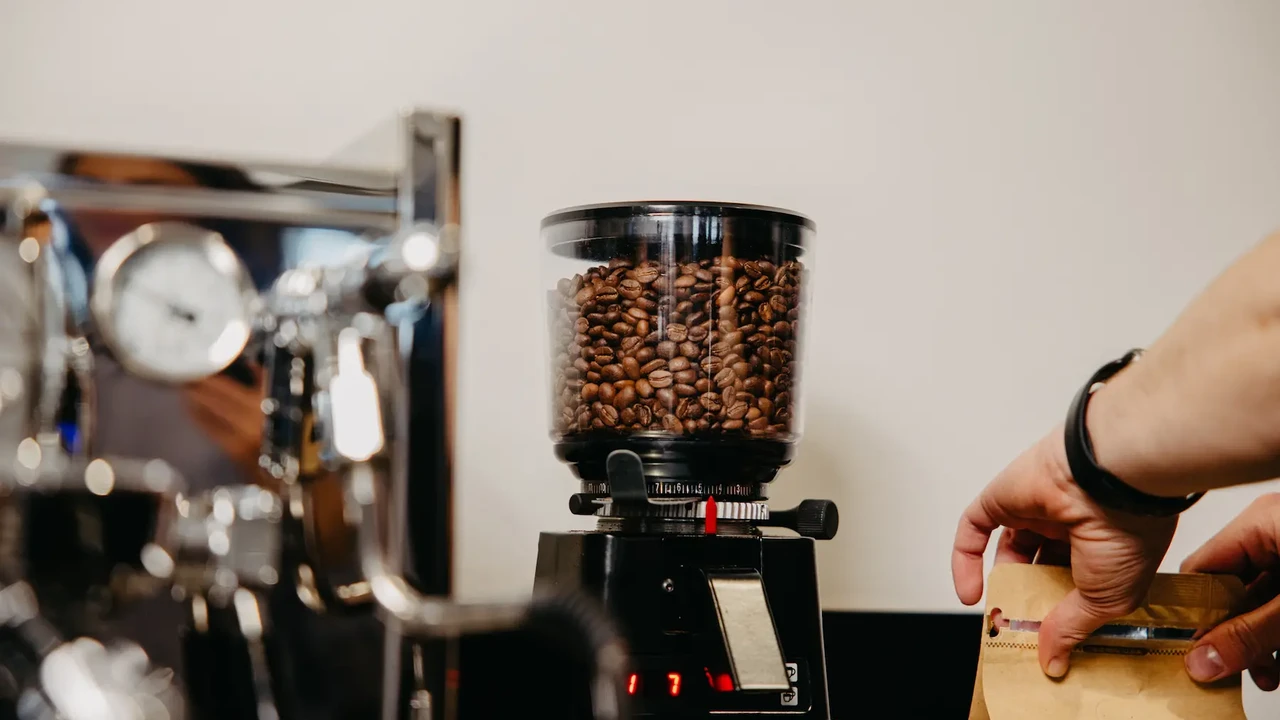
- Coffee Grinder: A burr grinder is essential for consistent grind size. You'll want a medium-coarse grind, similar to French press.
- Scale: To accurately measure coffee and water. Precision is key!
- Timer: To track brewing time.
- Spoons: Cupping spoons are traditional, but any deep spoon will work for skimming and tasting.
- Hot Water: Filtered water is best. Aim for around 200-205°F (93-96°C).
Product Recommendation: For a reliable burr grinder, the Baratza Encore Conical Burr Coffee Grinder (around $169) is a fantastic entry-level choice, offering consistent grinds for various methods. For a precise scale, the Hario V60 Drip Coffee Scale and Timer (around $50-60) is popular among home baristas. If you need a good kettle, the Bonavita Variable Temperature Gooseneck Kettle (around $90-100) offers precise temperature control.
Tasting Aids and Palate Cleansers Enhancing Your Coffee Experience
- Water: Still water for rinsing your palate between coffees.
- Crackers or Bread: Plain, unsalted crackers or bread to cleanse your palate.
- Spit Cups: Optional, but recommended if you're tasting many coffees or want to avoid caffeine overload.
- Notepads and Pens: For guests to jot down their observations.
- Flavor Wheel: A coffee flavor wheel (easily found online and printed) is an invaluable tool to help identify and describe flavors.
The Coffee Tasting Process A Step by Step Guide to Cupping
Now for the fun part! Here's how to conduct your coffee tasting:
Step 1: Grinding and Aroma Assessment The Dry Fragrance
Measure out your coffee beans. A good ratio for cupping is about 1:17 (coffee to water), so for 150ml of water, you'd use about 9 grams of coffee. Grind each coffee separately to a medium-coarse consistency. Place the ground coffee into its designated bowl.
Dry Fragrance: Before adding water, have everyone smell the dry grounds. What do they notice? Is it nutty, sweet, earthy, spicy? Discuss initial impressions. This is called the 'dry fragrance.'
Step 2: The Pour and Crust Formation Wet Aroma
Start your timer. Pour hot water (200-205°F or 93-96°C) over the grounds in each bowl, ensuring all grounds are saturated. Fill each bowl to the brim. As the water is added, a 'crust' of grounds will form on top. Let the coffee steep for exactly 4 minutes.
Wet Aroma: After pouring, lean in and smell the wet grounds. This is the 'wet aroma.' How has it changed from the dry fragrance? Are new notes emerging?
Step 3: Breaking the Crust and Skimming The Coffee Slurry
After 4 minutes, it's time to 'break the crust.' Gently push the crust of grounds to the back of the bowl with your spoon. As you do this, lean in and smell again. This is often the most intense aromatic experience. You'll notice a burst of volatile compounds. After breaking, use two spoons to carefully skim off any remaining foam and floating grounds from the surface. You want a clean liquid for tasting.
Step 4: Tasting and Evaluation Slurping for Flavor
Wait another 5-10 minutes for the coffee to cool down. Tasting coffee when it's too hot can mask flavors and burn your tongue. The ideal temperature allows the flavors to fully develop. Now, it's time to taste!
- Slurp: Don't be shy! Slurp the coffee loudly from your spoon. This aerates the coffee, spreading it across your palate and allowing the volatile aromatics to reach your olfactory senses.
- Evaluate: As you taste, consider these aspects:
- Acidity: Is it bright and lively (like citrus) or dull?
- Body: How does it feel in your mouth? Is it light and tea-like, or heavy and creamy?
- Flavor: What specific notes can you identify? Use the flavor wheel!
- Sweetness: Is there a natural sweetness?
- Aftertaste: What flavors linger after you swallow (or spit)? Is it pleasant and long-lasting?
- Balance: Do all the elements work together harmoniously?
Take notes for each coffee. Compare and contrast. What do you like or dislike about each one? Encourage discussion among your guests.
Enhancing the Experience Coffee Tasting Party Themes and Activities
To make your party even more engaging, consider adding some themes or activities:
Blind Tasting Challenge Guess the Coffee Origin
For an extra challenge, conduct a blind tasting. Don't tell your guests which coffee is which until the end. Number the bowls and have them guess the origin or roast level. This removes any preconceived notions and forces them to rely purely on their senses.
Coffee and Food Pairing Complementary Flavors
Just like wine, coffee pairs wonderfully with certain foods. Offer a small selection of complementary snacks:
- Light Roasts: Fruit tarts, lemon cake, light pastries.
- Medium Roasts: Chocolate chip cookies, croissants, nuts.
- Dark Roasts: Dark chocolate, caramel desserts, rich pastries.
Product Recommendation: For high-quality pairing chocolates, consider Godiva Dark Chocolate Bars (around $5-7) or Lindt Excellence 70% Cocoa Dark Chocolate (around $3-5). For a unique twist, try pairing with artisanal cheeses or even savory items like charcuterie, depending on the coffee's profile.
Brewing Method Showcase Different Coffee Preparations
If you have different brewing devices, you could showcase how the same coffee tastes when prepared using different methods (e.g., French press vs. pour-over vs. AeroPress). This highlights the impact of brewing on flavor. Just be sure to keep the coffee-to-water ratio and grind size consistent for each method to isolate the brewing variable.
Troubleshooting and Tips for a Smooth Coffee Tasting Event
Even with the best planning, things can go awry. Here are some tips to ensure your party runs smoothly:
Common Coffee Tasting Mistakes to Avoid
- Over-roasting: Avoid coffees that are too dark, as the roast flavors can overpower the bean's natural characteristics.
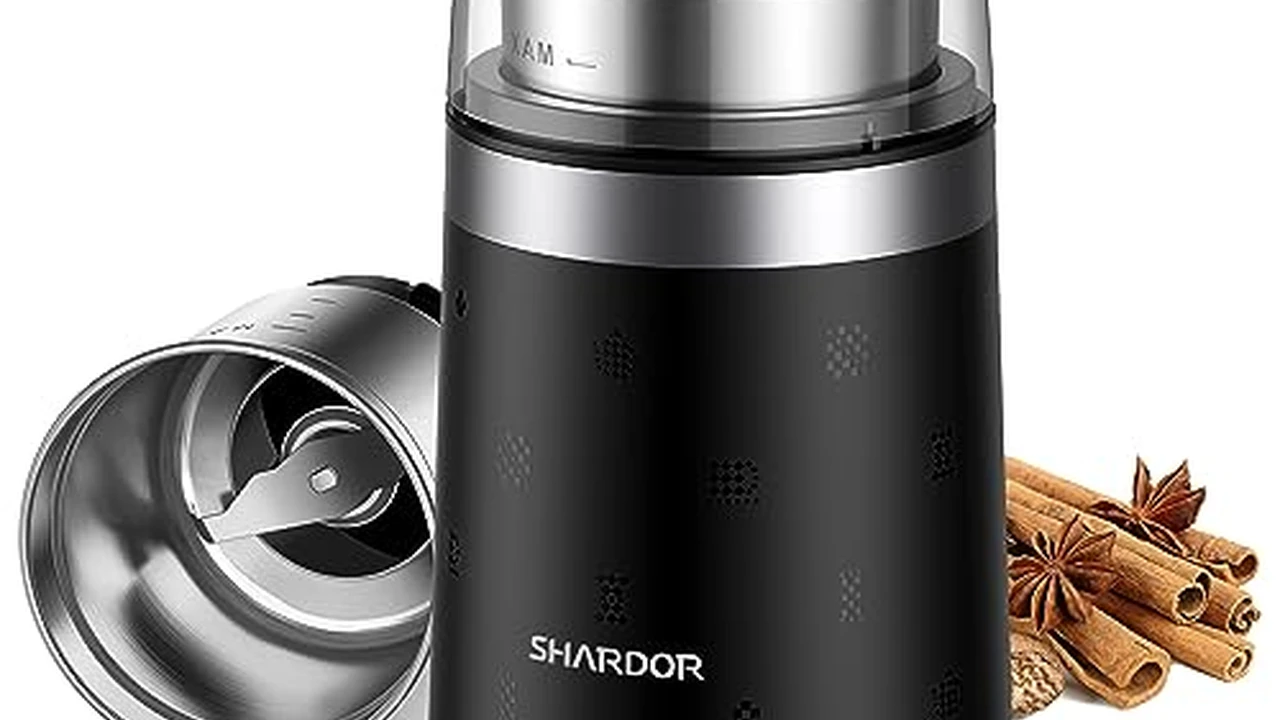
- Inconsistent Grind: A cheap blade grinder will give you uneven particles, leading to inconsistent extraction. Invest in a burr grinder.
- Wrong Water Temperature: Too hot, and you'll extract bitterness; too cold, and you'll get sourness. Stick to the recommended range.
- Not Rinsing Palate: Flavors will carry over from one coffee to the next if you don't cleanse your palate.
- Too Many Coffees: Don't overwhelm your guests. 3-5 is a good number for a focused tasting.
Keeping the Atmosphere Fun and Educational
Remember, this is a party! While it's educational, keep it light and enjoyable. Encourage open discussion, even if someone's tasting notes seem 'off.' There's no right or wrong answer in sensory evaluation. Provide a relaxed environment where everyone feels comfortable sharing their perceptions. Play some chill background music, but keep it low enough for conversation.
Cleaning Up After Your Coffee Cupping Session
Once the tasting is over, you'll have a few bowls and spoons to clean. Dispose of the coffee grounds responsibly (they make great compost!). A quick rinse of the bowls and spoons will make cleanup easy. If you used a grinder, give it a quick brush to remove any lingering grounds from the burrs, especially if you plan to use it for different coffees soon.
Beyond the Party Continuing Your Coffee Journey
After your successful coffee tasting party, the journey doesn't have to end! Encourage your friends to continue exploring different coffees and brewing methods. You could even make it a regular event, perhaps focusing on a different region or processing method each time. Share your favorite roasters and coffee shops. The world of coffee is vast and exciting, and a home tasting party is just the beginning of a delicious adventure. Keep experimenting, keep learning, and most importantly, keep enjoying that amazing cup of coffee!
:max_bytes(150000):strip_icc()/277019-baked-pork-chops-with-cream-of-mushroom-soup-DDMFS-beauty-4x3-BG-7505-5762b731cf30447d9cbbbbbf387beafa.jpg)