Coffee Grinder Materials Stainless Steel vs Ceramic Burrs
Explore the differences between stainless steel and ceramic burrs in coffee grinders. Learn about their durability and grind quality.
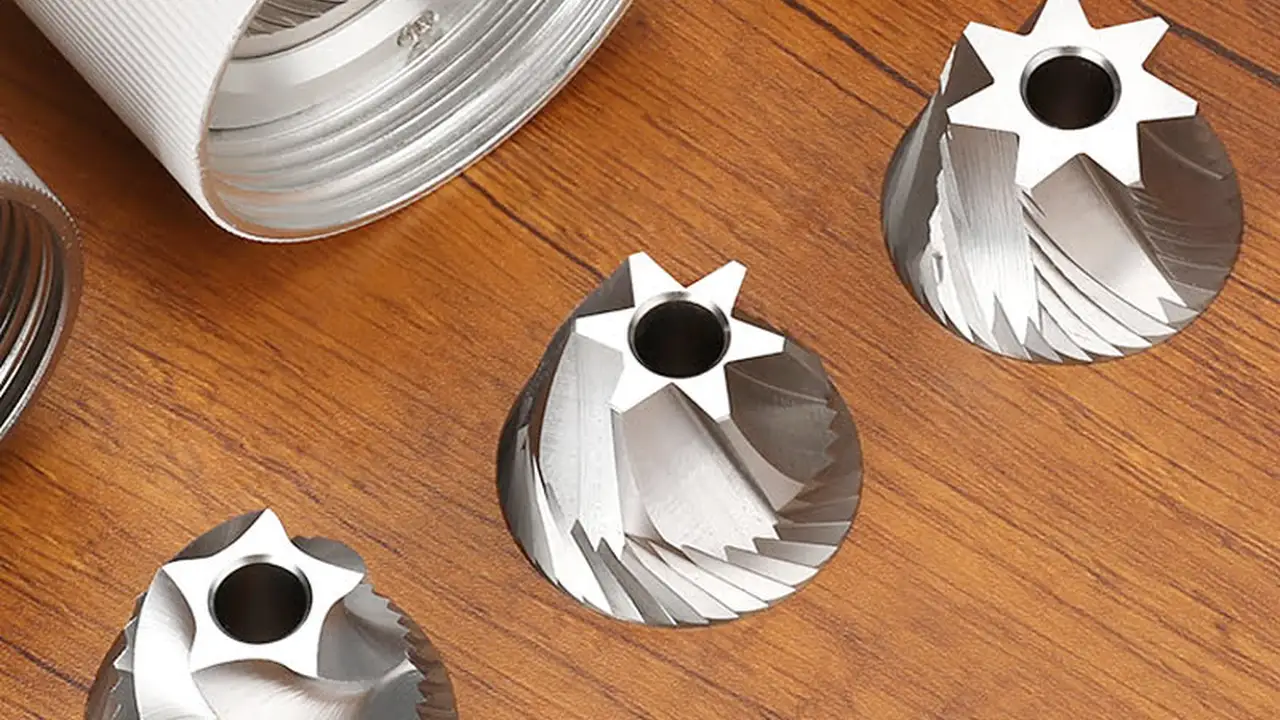
Explore the differences between stainless steel and ceramic burrs in coffee grinders. Learn about their durability and grind quality.
Coffee Grinder Materials Stainless Steel vs Ceramic Burrs
When you're diving into the world of home coffee brewing, one of the most crucial pieces of equipment you'll invest in is a good coffee grinder. And when it comes to grinders, the burrs are the heart of the machine. They're what actually do the work of breaking down those precious coffee beans into the perfect particles for your brew. But here's where it gets interesting: burrs typically come in two main materials – stainless steel and ceramic. Each has its own set of characteristics, pros, and cons that can significantly impact your grinding experience, the quality of your coffee, and even the lifespan of your grinder. Let's break down the great debate: stainless steel vs. ceramic burrs.
Understanding Coffee Grinder Burrs The Core of Your Grind
Before we get into the materials, let's quickly recap what burrs are and why they're so important. Unlike blade grinders that chop coffee beans inconsistently, burr grinders crush them between two abrasive surfaces. This method produces a much more uniform grind size, which is absolutely essential for consistent extraction and a delicious cup of coffee. Whether you're making espresso, pour-over, French press, or drip coffee, grind consistency is king. The material of these burrs plays a huge role in how well they perform this task, how long they last, and even how much heat they generate during grinding.
Stainless Steel Burrs Durability and Precision
Stainless steel burrs are a very popular choice, especially in electric grinders. They're known for their sharpness, durability, and ability to cut through beans efficiently. Let's look at what makes them tick.
Advantages of Stainless Steel Burrs
- Sharpness and Cutting Efficiency: Stainless steel burrs are incredibly sharp, allowing them to cut coffee beans cleanly and quickly. This efficiency means less friction and potentially less heat transfer to the coffee, which can help preserve delicate flavors.
- Durability and Longevity: While not indestructible, good quality stainless steel burrs are very durable. They can withstand significant use and are less prone to chipping or breaking if they encounter a small foreign object (like a tiny stone that sometimes slips through with coffee beans).
- Precision Grinding: Many high-end electric grinders utilize stainless steel burrs for their ability to produce very precise and consistent grinds, especially at finer settings required for espresso.
- Cost-Effectiveness (for manufacturers): Stainless steel is generally easier and cheaper to manufacture into burrs compared to ceramic, which can sometimes translate to a slightly lower price point for the grinder itself, though this isn't always the case with premium models.
- Heat Dissipation: Steel tends to dissipate heat more quickly than ceramic, which can be beneficial during longer grinding sessions, reducing the risk of 'baking' the coffee.
Disadvantages of Stainless Steel Burrs
- Noise: Stainless steel grinders can sometimes be louder than their ceramic counterparts, especially when grinding harder beans or at finer settings.
- Wear Over Time: While durable, stainless steel burrs can dull over a very long period of heavy use, especially if frequently grinding very dark, oily beans or beans with foreign objects.
- Static Electricity: Some users report that stainless steel grinders can generate more static electricity, leading to coffee grounds clinging to the grinder or counter. However, many modern grinders have anti-static features to mitigate this.
Recommended Stainless Steel Burr Grinders
If you're leaning towards stainless steel, here are a few excellent options that showcase its strengths:
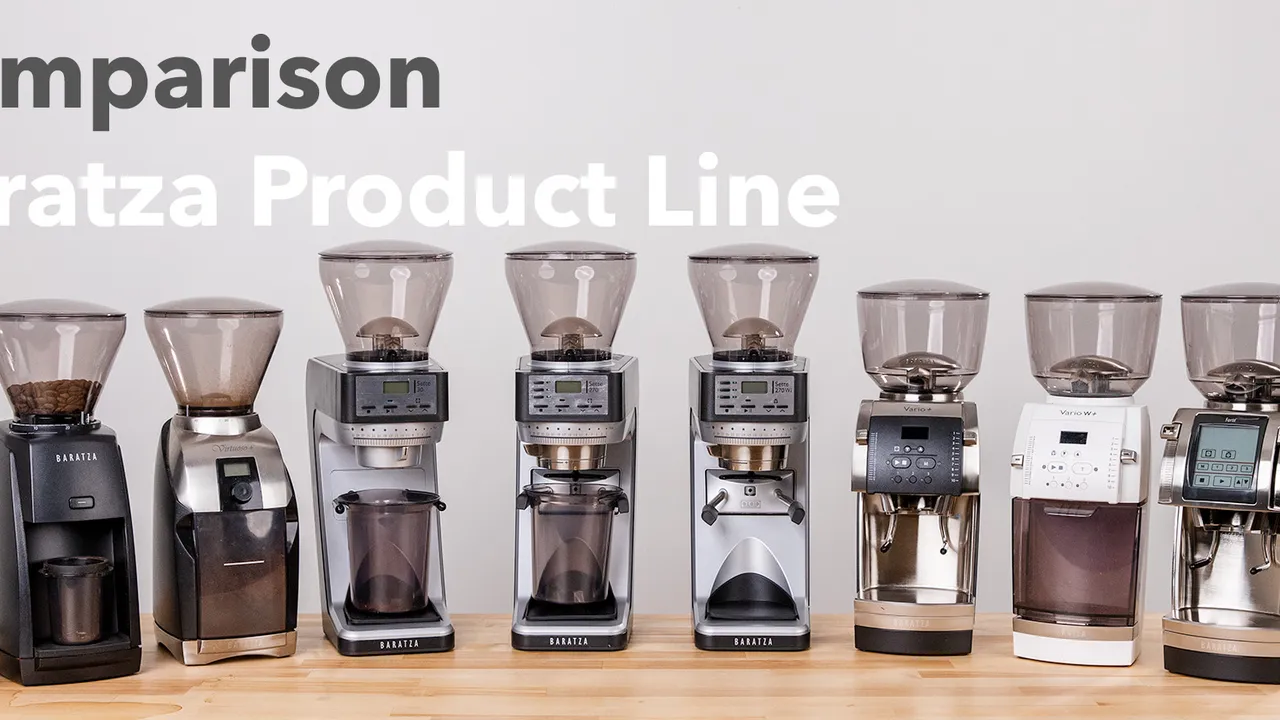
Baratza Encore ESP
Price: Approximately $199 USD
Use Case: This grinder is a fantastic entry-level option for espresso enthusiasts, but it's also versatile enough for pour-over and other brew methods. Its 40mm conical stainless steel burrs are designed to deliver a consistent grind across a wide range of settings. It's a significant upgrade from the original Encore, specifically optimized for espresso with a new adjustment mechanism.
Comparison: Compared to many grinders in its price range, the Encore ESP offers superior grind consistency for espresso, making it a standout for those looking to get into home espresso without breaking the bank. Its build quality is also robust for its price.
Fellow Ode Brew Grinder Gen 2
Price: Approximately $345 USD
Use Case: The Ode Gen 2 is designed primarily for brewed coffee methods like pour-over, French press, and cold brew. It features 64mm flat stainless steel burrs that produce an incredibly uniform grind, leading to exceptional clarity and sweetness in your cup. It's not recommended for espresso due to its grind range.
Comparison: This grinder excels in its specific niche. While more expensive than the Encore ESP, its larger flat burrs and precise adjustments make it a top performer for non-espresso brewing. It's also known for its sleek design and quiet operation.
Eureka Mignon Specialita
Price: Approximately $600-700 USD
Use Case: This is a dedicated espresso grinder, highly regarded by home baristas for its exceptional grind quality and stepless micrometric adjustment system. It features 55mm flat stainless steel burrs that deliver incredibly consistent and fluffy grounds, crucial for perfect espresso extraction.
Comparison: The Specialita is a significant step up in price and performance from the previous two. It's built like a tank, operates relatively quietly for an espresso grinder, and offers a level of precision that allows you to dial in your espresso shots with extreme accuracy. It's a direct competitor to other high-end home espresso grinders like the Niche Zero (which uses conical burrs).
Ceramic Burrs Quiet Operation and Longevity
Ceramic burrs are often found in manual hand grinders, but they also appear in some electric models. They have a different set of characteristics that appeal to many coffee enthusiasts.
Advantages of Ceramic Burrs
- Longevity and Durability: Ceramic burrs are incredibly hard and resistant to wear. They tend to stay sharp for a very long time, often outlasting stainless steel burrs in terms of overall lifespan, especially with consistent use. They are less prone to dulling.
- Less Heat Generation: Ceramic is a poor conductor of heat. This means that during the grinding process, less heat is transferred to the coffee beans, which can help preserve delicate aromas and flavors, especially during longer grinding sessions or for very fine grinds.
- Quieter Operation: Generally, ceramic burrs tend to be quieter than stainless steel burrs, making them a good choice for early morning grinding when you don't want to wake up the whole house.
- Corrosion Resistance: Ceramic is completely resistant to rust and corrosion, which isn't typically an issue with stainless steel but is a theoretical advantage.
Disadvantages of Ceramic Burrs
- Brittleness: The main drawback of ceramic burrs is their brittleness. While very hard, they are more susceptible to chipping or breaking if they encounter a hard foreign object (like a small stone) or if dropped. This can render the burr set unusable.
- Slower Grinding: Ceramic burrs can sometimes grind a bit slower than sharp stainless steel burrs, especially in electric grinders. This isn't usually a major issue for home use but can be noticeable.
- Higher Manufacturing Cost: Ceramic burrs can be more expensive to produce, which might contribute to the overall cost of the grinder.
Recommended Ceramic Burr Grinders
If you value longevity, quiet operation, and minimal heat transfer, ceramic burrs might be for you. Here are some popular options:
Hario Skerton Pro Manual Coffee Grinder
Price: Approximately $50-60 USD
Use Case: This is a classic entry-level manual grinder, perfect for pour-over, French press, and other immersion methods. Its ceramic conical burrs provide a consistent grind for its price point, and its manual operation means it's completely silent and portable.
Comparison: The Skerton Pro is a significant improvement over its predecessor, the original Skerton, with a more stable burr shaft for better consistency. It's a great budget-friendly option for those who don't mind the manual effort and want a durable, quiet grinder for brewed coffee.
Porlex Mini Stainless Steel Coffee Grinder
Price: Approximately $60-70 USD
Use Case: While the body is stainless steel, the burrs are ceramic. This compact manual grinder is incredibly popular for travel and camping due to its small size and durability. It's excellent for single servings of coffee for pour-over or AeroPress.
Comparison: The Porlex Mini is smaller and often considered more robust for travel than the Hario Skerton Pro. Its ceramic burrs offer similar grind quality for brewed coffee, but its compact form factor is its main selling point.
Comandante C40 MK4 Nitro Blade Manual Grinder
Price: Approximately $250-300 USD
Use Case: Okay, this is a bit of a curveball. While the Comandante is renowned for its exceptional grind quality, it actually uses a proprietary high-nitrogen stainless steel burr set, not ceramic. However, it's often compared to ceramic burr grinders in terms of its ability to produce very low heat and incredibly consistent grinds across all settings, from espresso to French press. It's included here to show that high-end steel burrs can achieve similar benefits to ceramic in terms of heat and consistency.
Comparison: The Comandante is in a league of its own for manual grinders. Its precision and consistency are unmatched by most other manual grinders, including those with ceramic burrs. While expensive, it's considered an endgame manual grinder for many enthusiasts, offering performance that rivals some electric grinders.
Which Burr Material is Right for You?
The choice between stainless steel and ceramic burrs ultimately depends on your priorities, budget, and how you plan to use your grinder.
Consider Stainless Steel If:
- You prioritize speed and efficiency in grinding.
- You need very fine, precise grinds for espresso.
- You want a grinder that can handle a wide range of grind sizes effectively.
- You're looking for a robust electric grinder that can withstand daily use.
- You're less concerned about noise levels.
Consider Ceramic If:
- You prioritize longevity and minimal wear on the burrs.
- You want a quieter grinding experience, especially with manual grinders.
- You're concerned about heat transfer to your coffee beans.
- You're primarily using a manual grinder for brewed coffee methods.
- You're careful with your equipment and less likely to drop it or introduce foreign objects.
Maintenance and Care for Both Burr Types
Regardless of the material, proper maintenance is key to extending the life and performance of your grinder's burrs. Here are some general tips:
- Regular Cleaning: Coffee oils and fine particles can build up on burrs, affecting grind consistency and flavor. Use a brush or grinder cleaning tablets (like Grindz) regularly.
- Avoid Water: Never wash your burrs with water, especially ceramic ones, as this can lead to rust in other parts of the grinder or damage the burrs themselves.
- Only Grind Coffee: Avoid grinding anything other than roasted coffee beans. Spices, nuts, or even unroasted beans can damage your burrs.
- Check for Foreign Objects: Before grinding, quickly inspect your beans for any small stones or debris that might have slipped through during processing.
The Future of Coffee Grinder Burrs
The world of coffee grinding is constantly evolving. While stainless steel and ceramic remain the dominant materials, manufacturers are always experimenting with new alloys, coatings, and burr geometries to improve performance. We're seeing more specialized burr sets designed for specific brew methods, and advancements in manufacturing techniques are leading to even more precise and durable burrs. Ultimately, the goal is always to achieve the most uniform grind possible with minimal heat and retention, unlocking the full flavor potential of your coffee beans.
So, whether you choose the sharp precision of stainless steel or the quiet longevity of ceramic, rest assured that both materials can deliver excellent results when paired with a well-designed grinder and proper technique. Happy grinding!
:max_bytes(150000):strip_icc()/277019-baked-pork-chops-with-cream-of-mushroom-soup-DDMFS-beauty-4x3-BG-7505-5762b731cf30447d9cbbbbbf387beafa.jpg)