The Ultimate Guide to Espresso Machine Maintenance
Learn essential tips for cleaning and maintaining your espresso machine. Extend its lifespan and ensure consistent coffee quality.
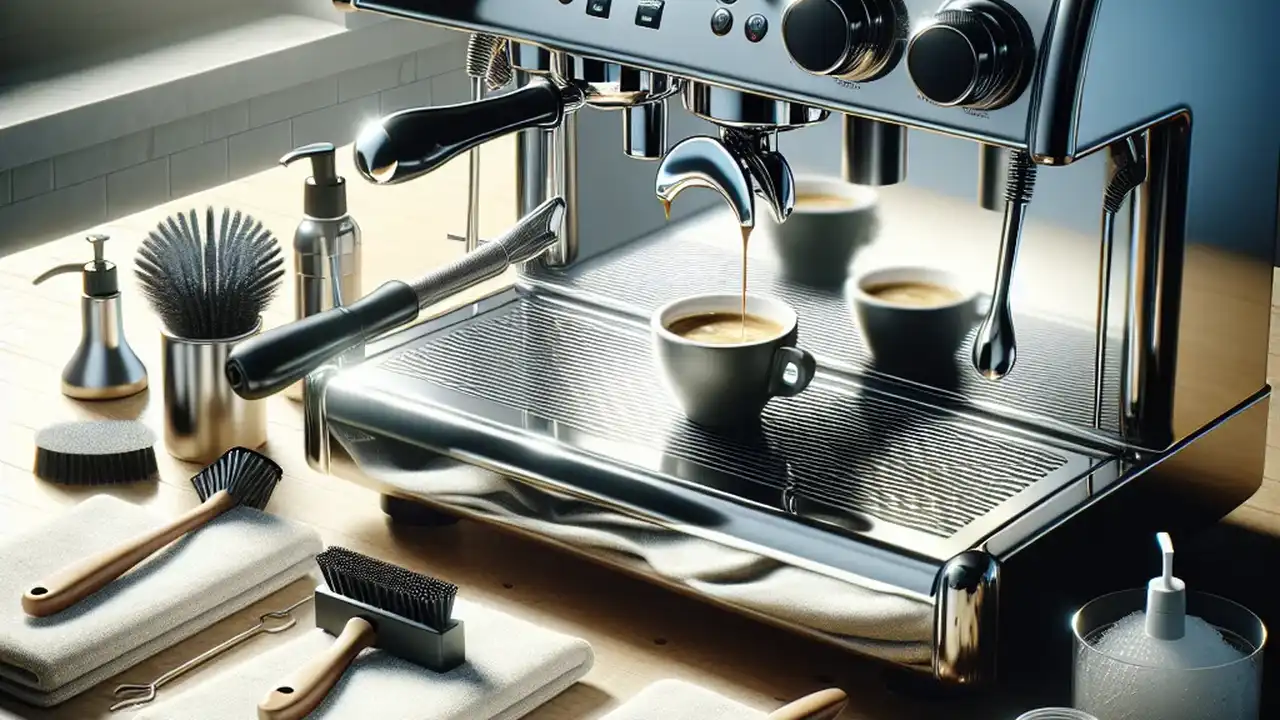
Learn essential tips for cleaning and maintaining your espresso machine. Extend its lifespan and ensure consistent coffee quality.
The Ultimate Guide to Espresso Machine Maintenance
So, you've invested in a fantastic espresso machine, and you're pulling delicious shots like a pro. That's awesome! But here's the thing: just like any high-performance appliance, your espresso machine needs some love and care to keep it running smoothly and consistently. Neglecting maintenance isn't just about a dirty machine; it can seriously impact the taste of your coffee, reduce the machine's lifespan, and even lead to costly repairs. Think of it this way: you wouldn't drive your car for years without an oil change, right? The same goes for your espresso machine. Regular cleaning and maintenance are absolutely crucial for ensuring consistent coffee quality, extending the life of your beloved machine, and ultimately, protecting your investment. This comprehensive guide will walk you through everything you need to know, from daily rituals to deeper cleaning procedures, and even recommend some specific products to help you along the way.
Why Espresso Machine Maintenance Matters for Coffee Quality and Longevity
You might be wondering, "Is all this fuss really necessary?" The answer is a resounding yes! Every time you brew, coffee oils, grounds, and mineral deposits from water build up inside your machine. These residues can quickly turn rancid, imparting bitter, sour, or off-flavors to your espresso. Imagine trying to make a gourmet meal in a dirty pan – it just won't taste right. Similarly, a dirty espresso machine will never produce the clean, vibrant flavors you desire. Beyond taste, these buildups can clog internal components, reduce water flow, and put strain on the pump and heating elements. Over time, this leads to decreased performance, inconsistent temperatures, and eventually, breakdowns. Regular maintenance prevents these issues, ensuring your machine operates at peak efficiency, delivers delicious coffee shot after shot, and lasts for many years to come. It's not just about cleaning; it's about preserving the art of your daily brew.
Daily Espresso Machine Cleaning Rituals for Freshness
Consistency is key, and that starts with daily habits. These quick steps will make a huge difference in preventing buildup and keeping your machine fresh:
Backflushing Your Espresso Machine The Daily Essential
Backflushing is arguably the most important daily cleaning task for espresso machines with a 3-way solenoid valve (which most modern machines have). It cleans the group head, shower screen, and the internal pathways where coffee oils and fine grounds can accumulate. You'll need a blind basket (a portafilter basket with no holes) and a suitable espresso machine detergent.
How to Backflush:
- Insert the blind basket into your portafilter.
- Add about half a teaspoon of espresso machine detergent (like Cafiza or Urnex) into the blind basket.
- Lock the portafilter into the group head.
- Activate the brew cycle for 10-15 seconds. You'll hear the pump working, but no water will come out. The pressure builds up and then releases, forcing water and detergent back through the system.
- Stop the brew cycle for 5-10 seconds.
- Repeat steps 4 and 5 about 5-10 times until the water coming out of the group head (when you remove the portafilter) runs clear and free of suds.
- Remove the portafilter and rinse it thoroughly under running water.
- Re-insert the portafilter with the blind basket (no detergent this time) and perform a few more backflushes with just water to rinse out any remaining detergent.
- Finally, remove the blind basket and run a normal shot of water through the group head to flush it completely.
Recommended Products for Backflushing:
- Urnex Cafiza Espresso Machine Cleaning Powder: This is an industry standard for a reason. It's highly effective at breaking down coffee oils and residues. A 20oz jar typically costs around $15-$20 and will last you a very long time. It's suitable for most commercial and home espresso machines.
- Puly Caff Plus Espresso Machine Cleaner: Another excellent option, often preferred by professional baristas. It's very similar to Cafiza in effectiveness and price.
Wiping Down the Group Head and Shower Screen
After every shot, or at least at the end of your brewing session, take a damp cloth and wipe down the group head and the shower screen. This removes loose coffee grounds and oils before they dry and harden. A dedicated microfiber cloth is great for this.
Purging and Wiping the Steam Wand
This is non-negotiable after every single use! Milk residue can quickly dry and clog the steam wand, leading to poor steaming performance and unsanitary conditions. Immediately after steaming milk:
- Wipe the steam wand thoroughly with a damp cloth.
- Purge the steam wand for a second or two to clear any milk from inside the nozzle.
Pro Tip: Keep a dedicated steam wand cloth near your machine. This prevents cross-contamination and ensures you always have a clean cloth ready.
Emptying and Rinsing the Drip Tray and Water Reservoir
The drip tray collects excess water and coffee drips, making it a breeding ground for mold and bacteria if left unattended. Empty and rinse it daily. Similarly, the water reservoir should be emptied and rinsed daily, especially if you're not using filtered water. This prevents algae growth and keeps your water fresh.
Weekly Espresso Machine Deep Cleaning Tasks
Once a week, it's time for a slightly more involved cleaning session to tackle stubborn buildup.
Soaking the Portafilter and Baskets
Coffee oils can build up on your portafilter and baskets, affecting extraction and taste. Remove the baskets from your portafilter handles. In a bowl, mix hot water with a small amount of espresso machine detergent (the same one you use for backflushing). Submerge the portafilter heads (avoid submerging the plastic or wooden handles if possible) and the baskets. Let them soak for 15-30 minutes. After soaking, scrub them with a brush to remove any remaining residue and rinse thoroughly.
Cleaning the Shower Screen and Group Head Gasket
Even with daily backflushing, some coffee grounds and oils can get trapped behind the shower screen and around the group head gasket. Most shower screens are removable. Consult your machine's manual for specific instructions, but generally, you can unscrew it. Once removed, scrub it with a brush and rinse. While the screen is off, inspect the group head gasket for any cracks or signs of wear. Wipe down the inside of the group head thoroughly. If your gasket is looking worn, it might be time for a replacement (more on that later).
Recommended Cleaning Brushes:
- Pallo Coffeetool Brush: This is a fantastic multi-purpose tool. It has a brush for the group head, a scoop for detergent, and a steam wand cleaner. It's durable and designed specifically for espresso machine cleaning. Costs around $10-$15.
- Espresso Parts Group Head Cleaning Brush: A simple, effective brush for scrubbing the group head and shower screen. Very affordable, usually under $10.
Monthly or Bi-Monthly Espresso Machine Descaling
Descaling is crucial for removing mineral buildup (limescale) from your machine's boiler and heating elements. This buildup occurs naturally from water, especially if you live in an area with hard water. Limescale can restrict water flow, reduce heating efficiency, and eventually damage your machine. The frequency of descaling depends on your water hardness and how often you use your machine. For most users, once every 1-2 months is a good starting point. Some machines have a descaling indicator light.
How to Descale (General Steps - Always consult your machine's manual for specific instructions!):
- Empty the water reservoir.
- Mix the descaling solution with water according to the product's instructions.
- Pour the solution into the water reservoir.
- Place a large container under the group head and steam wand.
- Run about half of the solution through the group head (as if brewing a shot) until the reservoir is half empty.
- Run the remaining solution through the steam wand until the reservoir is empty.
- Let the machine sit for 15-30 minutes (or as recommended by the descaler).
- Rinse the water reservoir thoroughly.
- Fill the reservoir with fresh, clean water.
- Run several full reservoirs of clean water through both the group head and the steam wand to thoroughly rinse out any descaling solution. This step is critical to avoid residual taste.
Recommended Descaling Solutions:
- Urnex Dezcal Activated Scale Remover: A popular and effective descaler that comes in liquid or powder form. It's safe for most espresso machines. A 33.8oz bottle (liquid) costs around $15-$20 and provides multiple descaling cycles.
- DeLonghi EcoDecalk Descaler: Specifically designed for DeLonghi machines but generally safe for others. It's biodegradable and effective. A 500ml bottle is usually around $15-$25.
- Breville Descaler: If you have a Breville machine, their proprietary descaler is a good choice, ensuring compatibility and effectiveness. Price varies but is typically similar to other brands.
Important Note on Descaling: Never use vinegar as a descaler for espresso machines, especially those with aluminum boilers. Vinegar can corrode internal components and damage seals. Always use a descaler specifically designed for espresso machines.
Annual Espresso Machine Maintenance and Component Checks
Once a year, or if you notice issues, it's good to perform a more thorough check and consider replacing certain parts.
Replacing the Group Head Gasket and Shower Screen
The group head gasket (the rubber seal that creates a tight seal between the portafilter and the group head) and the shower screen are wear-and-tear items. Over time, the gasket can harden, crack, and lose its elasticity, leading to leaks around the portafilter during brewing. The shower screen can also become permanently clogged or damaged. Replacing these annually or bi-annually (depending on usage) will ensure a proper seal and even water distribution.
Signs it's time to replace:
- Water leaking from around the portafilter during brewing.
- Difficulty locking the portafilter into place.
- Uneven water flow from the shower screen.
- Visible cracks or hardening of the gasket.
Replacement parts are specific to your machine model, so make sure to order the correct ones. A new gasket and shower screen typically cost $10-$30.
Checking and Replacing Water Filters
If your machine has an internal water filter (many Breville and DeLonghi machines do), make sure to replace it according to the manufacturer's recommendations, usually every 2-3 months. These filters help reduce limescale buildup and improve water taste, which directly impacts your coffee. Even if your machine doesn't have an internal filter, consider using a filtered water pitcher (like Brita or ZeroWater) or a dedicated water filtration system for your tap water. This significantly reduces the need for frequent descaling and protects your machine.
Recommended Water Filters/Systems:
- Brita or ZeroWater Pitcher: An affordable and accessible way to filter your water. ZeroWater is particularly good at removing total dissolved solids (TDS), which can contribute to scale. Brita pitchers are around $25-$40, ZeroWater slightly more.
- Machine-Specific Water Filters: For Breville, DeLonghi, or other brands with internal filters, always use their recommended replacement filters to ensure proper fit and filtration. These usually cost $10-$15 per filter.
Lubricating Moving Parts (for Super-Automatic Machines)
If you own a super-automatic espresso machine, the brew unit often requires periodic lubrication. Consult your machine's manual for specific instructions and recommended food-grade lubricant. This ensures smooth operation of the internal mechanisms.
Troubleshooting Common Espresso Machine Problems and Maintenance Solutions
Even with regular maintenance, issues can pop up. Here are some common problems and how maintenance can help:
Leaking Portafilter or Group Head
Cause: Most likely a worn-out group head gasket. Coffee grounds stuck on the gasket or shower screen can also prevent a proper seal.
Solution: Clean the group head and gasket thoroughly. If the leak persists, replace the group head gasket. Ensure your portafilter is locked in firmly.
Slow or No Water Flow from Group Head
Cause: Clogged shower screen, scale buildup in the boiler or lines, or a faulty pump.
Solution: First, remove and clean the shower screen. If that doesn't work, perform a descaling cycle. If the problem persists, it might indicate a more serious internal issue requiring professional service.
Weak or Inconsistent Steam from Steam Wand
Cause: Clogged steam wand tip (most common), scale buildup in the steam boiler/thermoblock, or a faulty steam valve.
Solution: Immediately after steaming, wipe and purge the wand. If it's already clogged, use a steam wand cleaning brush or a paperclip to clear the tip. If the problem persists, descale your machine. For persistent issues, the steam valve might need attention.
Bitter or Sour Tasting Espresso
Cause: Rancid coffee oils in the group head/portafilter, improper extraction (grind size, dose, tamp), or old coffee beans.
Solution: Perform a thorough backflush with detergent. Clean your portafilter and baskets. Ensure you're using fresh, quality coffee beans and that your grind size, dose, and tamp are optimized for extraction. A clean machine provides a neutral canvas for your coffee's true flavors.
Essential Espresso Machine Maintenance Products and Where to Buy Them
Having the right tools makes maintenance much easier. Here's a quick recap and some general pricing:
- Espresso Machine Detergent (e.g., Urnex Cafiza, Puly Caff Plus): Essential for backflushing and soaking portafilters. A tub usually costs $15-$20 and lasts for months, if not a year. Available on Amazon, specialty coffee retailers, and sometimes appliance stores.
- Descaling Solution (e.g., Urnex Dezcal, DeLonghi EcoDecalk, Breville Descaler): Crucial for removing mineral buildup. A bottle or pack typically costs $15-$25 and provides several descaling cycles. Available on Amazon, manufacturer websites, and appliance stores.
- Blind Basket: Necessary for backflushing. Often comes with your machine, but if not, they're inexpensive ($5-$10). Available from coffee equipment suppliers or Amazon.
- Group Head Cleaning Brush (e.g., Pallo Coffeetool, Espresso Parts Brush): Helps scrub away stubborn grounds and oils. Costs $10-$15. Available from coffee equipment suppliers or Amazon.
- Microfiber Cloths: Great for wiping down surfaces and the steam wand. A multi-pack is usually under $10. Available everywhere.
- Water Filter (if applicable): Machine-specific filters are best purchased from the manufacturer's website or authorized dealers. Generic filters might be available on Amazon. Prices vary ($10-$20 per filter).
- Group Head Gasket and Shower Screen: These are machine-specific. Purchase from your machine's manufacturer or reputable parts suppliers. Prices vary ($10-$30 for a set).
Final Thoughts on Espresso Machine Care
Maintaining your espresso machine isn't a chore; it's an investment in consistently delicious coffee and the longevity of your equipment. By incorporating these daily, weekly, and monthly routines, you'll not only extend the life of your machine but also ensure that every shot you pull is as perfect as the first. Think of it as a small act of love for your morning ritual. A clean machine is a happy machine, and a happy machine makes incredible coffee. So, roll up your sleeves, grab your cleaning supplies, and keep that home barista hub humming!
:max_bytes(150000):strip_icc()/277019-baked-pork-chops-with-cream-of-mushroom-soup-DDMFS-beauty-4x3-BG-7505-5762b731cf30447d9cbbbbbf387beafa.jpg)