Comparing Coffee Culture Around the World
Dive into diverse coffee cultures from different countries. Explore unique traditions, rituals, and popular coffee drinks globally.
Dive into diverse coffee cultures from different countries. Explore unique traditions, rituals, and popular coffee drinks globally.
Comparing Coffee Culture Around the World
The Global Tapestry of Coffee Traditions
Coffee isn't just a beverage; it's a global phenomenon, a daily ritual, and a cornerstone of countless cultures. From the bustling cafes of Italy to the serene tea houses of Japan (where coffee also holds a significant place), the way we consume, prepare, and appreciate coffee varies wildly. Understanding these differences isn't just fascinating; it can enrich your own home barista journey, inspiring new brewing methods, flavor combinations, and even a deeper appreciation for your daily cup. Let's embark on a journey to explore some of the most distinct and influential coffee cultures across the globe.
Italian Coffee Culture Espresso and Beyond
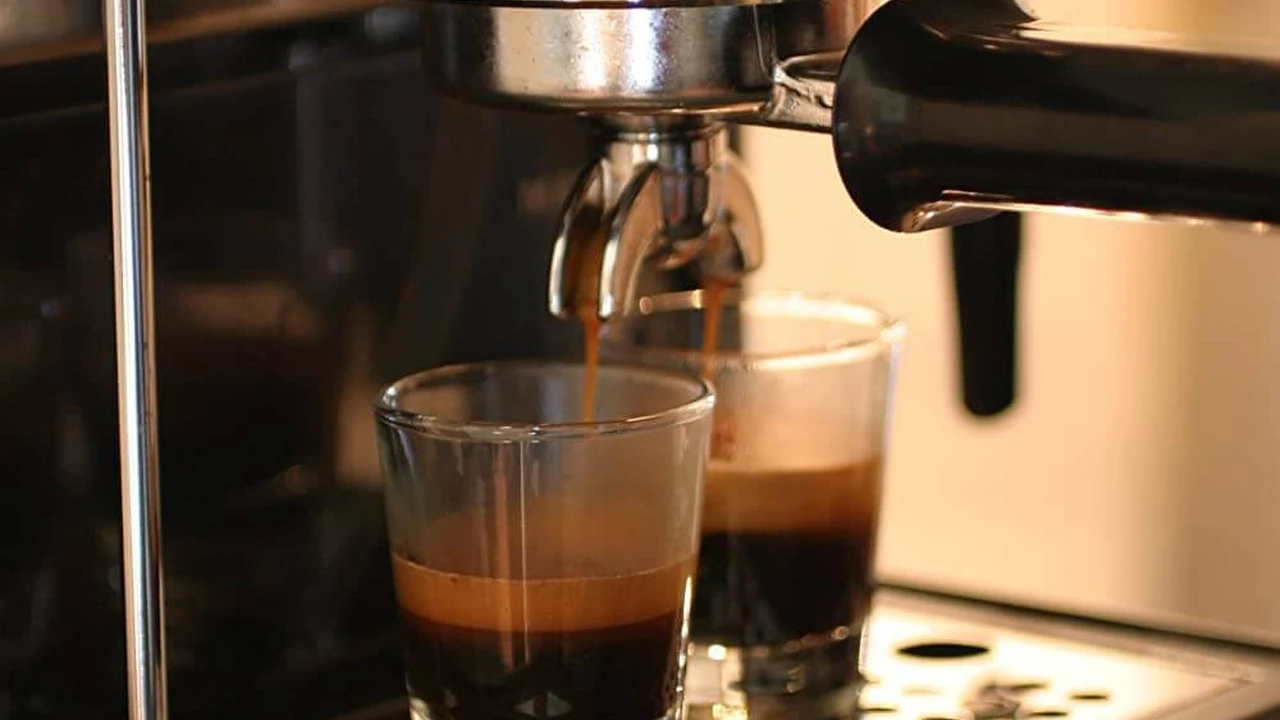
When you think of coffee, Italy often comes to mind, and for good reason. Italian coffee culture is deeply ingrained in daily life, characterized by speed, precision, and a strong emphasis on espresso. It's not just about the drink; it's about the experience, often a quick stand-up affair at a bar (cafe).
Key Characteristics of Italian Coffee Culture
- Espresso is King: The foundation of almost all Italian coffee drinks. It's a short, strong shot, meant to be consumed quickly.
- No Large Sizes: Forget your venti lattes. Italian coffee is typically served in small, concentrated portions.
- Milk Rules: Cappuccinos and lattes are morning drinks. Ordering one after lunch might raise an eyebrow!
- Standing at the Bar: Many Italians prefer to drink their coffee standing at the bar, engaging in quick conversations with the barista.
- Affordable: Coffee prices are regulated and generally very low, making it an accessible daily luxury.
Popular Italian Coffee Drinks
- Espresso (Caffè): The standard.
- Cappuccino: Espresso with steamed milk and foam, typically for breakfast.
- Latte (Caffè Latte): Espresso with more steamed milk, often served in a glass.
- Macchiato: Espresso 'stained' with a dash of foamed milk.
- Corretto: Espresso 'corrected' with a shot of liquor (grappa, sambuca, or brandy).
Recommended Italian Style Espresso Machines for Home Baristas
To truly embrace the Italian coffee experience at home, a good espresso machine is essential. Here are a few recommendations:
Gaggia Classic Pro
- Description: A beloved entry-level semi-automatic machine, known for its durability and ability to pull excellent shots. It's a workhorse that can last for years with proper care.
- Use Case: Ideal for home baristas who want to learn the art of espresso and milk steaming without breaking the bank. It requires some practice but rewards patience with quality.
- Comparison: More hands-on than super-automatic machines, offering greater control over the brewing process. It's a step up from basic pod machines.
- Price Range: Typically $450 - $550 USD.
Rancilio Silvia
- Description: Another classic in the home espresso world, the Silvia is renowned for its robust build quality and powerful steam wand. It's a single-boiler machine that requires temperature surfing for optimal performance.
- Use Case: For the more dedicated home barista willing to invest time in mastering their technique. Excellent for those who prioritize milk-based drinks.
- Comparison: Offers superior steam power compared to many machines in its class, making latte art more achievable. It's a long-term investment.
- Price Range: Typically $800 - $950 USD.
DeLonghi Dedica Arte EC885M
- Description: A compact and stylish semi-automatic machine that heats up quickly. It's user-friendly and offers a good balance of performance and convenience for its price.
- Use Case: Perfect for smaller kitchens or those who want a quick espresso fix without too much fuss. Good for beginners looking for a step up from basic machines.
- Comparison: More automated features than the Gaggia Classic Pro, making it slightly easier for beginners. Its compact size is a major advantage.
- Price Range: Typically $250 - $350 USD.
Turkish Coffee Culture A Ritual of Fortune
Moving eastward, Turkish coffee offers a completely different experience. It's not just a drink; it's a ritual, a social event, and even a tool for fortune-telling. Prepared in a special pot called a cezve (or ibrik), Turkish coffee is unfiltered, resulting in a thick, strong brew with a layer of fine sediment at the bottom.
Key Characteristics of Turkish Coffee Culture
- Unfiltered and Strong: Very finely ground coffee is boiled with water (and often sugar) directly in the cezve.
- Served in Small Cups: Traditionally served in small, handleless cups.
- Fortune Telling: After drinking, the cup is inverted onto the saucer, and the patterns left by the coffee grounds are read to predict the future.
- Social and Ceremonial: Often prepared and consumed during social gatherings, celebrations, and important discussions.
- Patience is Key: The brewing process is slow and requires attention to detail to achieve the perfect foam.
Popular Turkish Coffee Drinks
- Türk Kahvesi: The standard, often served with varying levels of sweetness (sade - plain, orta - medium, şekerli - sweet).
Recommended Turkish Coffee Brewing Equipment
To make authentic Turkish coffee, you primarily need a good cezve and very finely ground coffee.
CopperBull Solid Copper Turkish Coffee Pot (Cezve/Ibrik)
- Description: Hand-hammered copper cezves are traditional and excellent for heat distribution. They come in various sizes.
- Use Case: Essential for brewing authentic Turkish coffee on a stovetop. The copper ensures even heating and a good foam.
- Comparison: Superior to stainless steel or aluminum cezves for heat conductivity and traditional aesthetic.
- Price Range: Typically $30 - $70 USD depending on size and craftsmanship.
Manual Coffee Grinder with Ceramic Burrs (e.g., Hario Skerton Pro)
- Description: Turkish coffee requires an extremely fine, powder-like grind, finer than espresso. A good manual burr grinder can achieve this.
- Use Case: Grinding fresh beans to the precise consistency needed for Turkish coffee.
- Comparison: While some electric grinders can achieve this fineness, manual grinders often offer more control and are more affordable for this specific grind size.
- Price Range: Typically $40 - $80 USD.
Ethiopian Coffee Ceremony A Communal Experience
As the birthplace of coffee, Ethiopia holds a special place in coffee culture. The Ethiopian coffee ceremony (Jebena Buna) is a deeply significant and elaborate ritual, often lasting hours, performed by women, and symbolizing hospitality and community.
Key Characteristics of Ethiopian Coffee Culture
- Elaborate Ceremony: A multi-stage process involving roasting, grinding, and brewing the coffee in front of guests.
- Freshly Roasted Beans: Green beans are roasted over an open flame, filling the air with a rich aroma.
- Three Rounds: Coffee is served in three rounds, each with a different strength and name (Abol, Tona, Baraka).
- Incense and Popcorn: Often accompanied by burning incense and served with popcorn or traditional snacks.
- Communal and Social: A time for conversation, storytelling, and strengthening community bonds.
Popular Ethiopian Coffee Drinks
- Buna: The general term for coffee, served black, often with sugar.
Recommended Ethiopian Coffee Ceremony Equipment
While a full ceremony requires specific traditional items, you can get a taste of Ethiopian coffee at home with these:
Jebena (Ethiopian Coffee Pot)
- Description: A traditional clay pot with a spherical base, a long neck, and a pouring spout, used for brewing coffee over coals or a stove.
- Use Case: Essential for brewing coffee in the traditional Ethiopian style, allowing the grounds to settle at the bottom.
- Comparison: Unique in its design and function, distinct from other brewing vessels.
- Price Range: Typically $30 - $100 USD, depending on size and artistry.
Ethiopian Green Coffee Beans (e.g., Yirgacheffe, Sidamo)
- Description: High-quality unroasted coffee beans from Ethiopia, known for their floral, fruity, and bright notes.
- Use Case: For home roasting, allowing you to experience the freshness and aroma of newly roasted beans, central to the Ethiopian ceremony.
- Comparison: Offers a level of freshness and control over the roast profile that pre-roasted beans cannot match.
- Price Range: Typically $8 - $15 USD per pound for green beans.
Vietnamese Coffee Culture Strong and Sweet
Vietnam boasts a vibrant and unique coffee culture, heavily influenced by its history as a French colony and its robust Robusta bean production. Vietnamese coffee is known for its strength, often sweetened with condensed milk, and brewed using a simple metal filter called a phin.
Key Characteristics of Vietnamese Coffee Culture
- Robusta Dominance: While Arabica is growing, Robusta beans are traditionally preferred for their strong, bold flavor and high caffeine content.
- Sweetened with Condensed Milk: The most iconic Vietnamese coffee drink, Cà Phê Sữa Đá, uses sweetened condensed milk to balance the strong coffee.
- Phin Filter: A simple, gravity-drip metal filter that brews coffee slowly, drop by drop.
- Iced Coffee is Popular: Due to the warm climate, iced coffee is incredibly popular and refreshing.
- Street Coffee Stalls: Coffee is widely available from small street vendors and cafes.
Popular Vietnamese Coffee Drinks
- Cà Phê Sữa Đá: Iced coffee with sweetened condensed milk.
- Cà Phê Đen Đá: Iced black coffee.
- Cà Phê Trứng: Egg coffee, a Hanoi specialty with a creamy, frothy egg yolk topping.
Recommended Vietnamese Coffee Brewing Equipment
The beauty of Vietnamese coffee lies in its simplicity and affordability.
Vietnamese Phin Coffee Filter
- Description: A small, inexpensive metal filter that sits on top of a cup. Hot water is poured over coffee grounds, slowly dripping into the cup below.
- Use Case: Essential for brewing traditional Vietnamese coffee. It's portable and requires no electricity.
- Comparison: Simpler and more compact than a pour-over cone, offering a unique slow-drip extraction.
- Price Range: Typically $5 - $15 USD.
Longevity Brand Sweetened Condensed Milk
- Description: The classic brand of sweetened condensed milk used in Vietnamese coffee.
- Use Case: To achieve the authentic sweet and creamy taste of Cà Phê Sữa Đá.
- Comparison: While other brands exist, Longevity is widely recognized and preferred for its consistency and flavor.
- Price Range: Typically $3 - $5 USD per can.
Vietnamese Robusta Coffee Beans (e.g., Trung Nguyen)
- Description: Dark roasted Robusta beans, often with a chocolatey or nutty profile, specifically blended for Vietnamese coffee.
- Use Case: Provides the strong, bold base necessary for traditional Vietnamese coffee drinks.
- Comparison: Distinct from Arabica beans, offering a higher caffeine content and a more intense flavor that stands up well to condensed milk.
- Price Range: Typically $10 - $20 USD per bag.
Japanese Coffee Culture Precision and Craftsmanship
While Japan is famous for its tea ceremonies, its coffee culture is equally sophisticated, characterized by meticulous attention to detail, precision brewing, and a deep appreciation for quality. Japanese coffee culture often blends traditional aesthetics with modern innovation.
Key Characteristics of Japanese Coffee Culture
- Precision Brewing: Emphasis on exact measurements, water temperature, and pour-over techniques.
- Kissaten (Coffee Houses): Traditional, often quiet and elegant coffee houses where coffee is prepared with great care.
- Iced Coffee Innovation: Japanese iced coffee (flash-chilled) is a popular and distinct method.
- Specialty Coffee Focus: A strong market for high-quality, single-origin beans and advanced brewing equipment.
- Canned Coffee: Surprisingly popular and widely available in vending machines.
Popular Japanese Coffee Drinks
- Drip Coffee (especially Pour Over): Highly valued for its clarity and nuanced flavors.
- Iced Coffee (Flash Chilled): Hot coffee brewed directly over ice.
- Canned Coffee: Ready-to-drink coffee in various styles.
Recommended Japanese Style Brewing Equipment
To replicate the precision of Japanese coffee at home, focus on quality pour-over gear.
Hario V60 Pour Over Dripper
- Description: A conical dripper with a large single hole and spiral ribs, designed for optimal extraction and a clean cup. Available in ceramic, glass, plastic, and metal.
- Use Case: The quintessential tool for Japanese-style pour-over coffee, allowing for precise control over the pour.
- Comparison: Offers a faster flow rate than some other pour-over drippers (like Chemex), allowing for different extraction profiles.
- Price Range: Typically $10 - $30 USD (for dripper only).
Hario Buono V60 Drip Kettle
- Description: A gooseneck kettle designed for precise pouring control, essential for pour-over brewing.
- Use Case: Allows for a slow, steady, and controlled pour, crucial for even saturation of coffee grounds in pour-over.
- Comparison: Its gooseneck spout is superior to standard kettles for pour-over accuracy.
- Price Range: Typically $40 - $70 USD.
Acaia Pearl Coffee Scale
- Description: A high-precision coffee scale with built-in timer, known for its accuracy and responsiveness.
- Use Case: Essential for precise measurements of coffee grounds and water, a cornerstone of Japanese brewing philosophy.
- Comparison: While more expensive, its accuracy and features (like flow rate monitoring) are unmatched by basic kitchen scales.
- Price Range: Typically $150 - $250 USD.
Nordic Coffee Culture Light Roasts and Simplicity
The Nordic countries (Norway, Sweden, Denmark, Finland, Iceland) are among the world's highest coffee consumers per capita. Their coffee culture is characterized by a preference for light roasts, filter coffee, and a focus on the inherent flavors of the bean, often enjoyed in a cozy, minimalist setting.
Key Characteristics of Nordic Coffee Culture
- Light Roasts: A strong preference for light-roasted beans, which highlight the coffee's origin characteristics, acidity, and fruity notes.
- Filter Coffee Dominance: Drip coffee is king, often brewed in large batches and consumed throughout the day.
- Fika (Sweden): A cherished tradition of taking a coffee break, often with pastries, emphasizing social connection.
- Hygge (Denmark): The concept of coziness and contentment, often associated with enjoying coffee in a warm, inviting atmosphere.
- High Consumption: Coffee is a daily staple, consumed frequently throughout the day.
Popular Nordic Coffee Drinks
- Filter Coffee: The most common, served black.
- Espresso-based drinks: Gaining popularity, but filter coffee remains dominant.
Recommended Nordic Style Brewing Equipment
For Nordic-style coffee, focus on excellent filter coffee makers and quality light roast beans.
Moccamaster KBGV Select
- Description: Hand-built in the Netherlands, this drip coffee maker is certified by the Specialty Coffee Association (SCA) for its precise brewing temperature and extraction.
- Use Case: Ideal for brewing large batches of consistently excellent filter coffee, perfect for daily consumption in the Nordic style.
- Comparison: Far superior to most standard drip coffee makers in terms of temperature stability and extraction quality, producing a cleaner, more flavorful cup.
- Price Range: Typically $300 - $350 USD.
Fellow Ode Brew Grinder Gen 2
- Description: A high-quality electric burr grinder designed specifically for filter coffee, offering precise grind settings and minimal retention.
- Use Case: Grinding fresh beans to the optimal consistency for filter coffee, ensuring even extraction and highlighting the nuances of light roasts.
- Comparison: While more expensive than basic grinders, its flat burrs and wide range of grind settings make it ideal for specialty filter coffee.
- Price Range: Typically $345 - $395 USD.
Light Roast Single Origin Coffee Beans (e.g., from Nordic Roasters like Tim Wendelboe, La Cabra)
- Description: High-quality, often single-origin Arabica beans roasted very lightly to preserve their inherent fruity, floral, and acidic characteristics.
- Use Case: To experience the true essence of Nordic coffee culture, which celebrates the natural flavors of the bean.
- Comparison: These roasts are distinctly different from darker roasts, offering a brighter, more complex flavor profile that might be surprising to those used to traditional coffee.
- Price Range: Typically $18 - $30 USD per 250g bag (often more expensive due to quality and sourcing).
Beyond Borders Your Global Coffee Journey
Exploring these diverse coffee cultures reveals that coffee is much more than just a drink; it's a reflection of history, geography, social customs, and personal preferences. Whether you're drawn to the quick intensity of Italian espresso, the ceremonial depth of Ethiopian buna, the sweet strength of Vietnamese iced coffee, the precise elegance of Japanese pour-over, or the clean simplicity of Nordic filter coffee, there's a world of flavor and experience waiting for you.
As a home barista, you have the unique opportunity to bring these global traditions into your own kitchen. Experiment with different brewing methods, explore beans from various origins, and don't be afraid to try new flavor combinations. Each cup can be a journey, a moment of connection to a wider world of coffee lovers. So, what coffee culture will you explore next?
:max_bytes(150000):strip_icc()/277019-baked-pork-chops-with-cream-of-mushroom-soup-DDMFS-beauty-4x3-BG-7505-5762b731cf30447d9cbbbbbf387beafa.jpg)